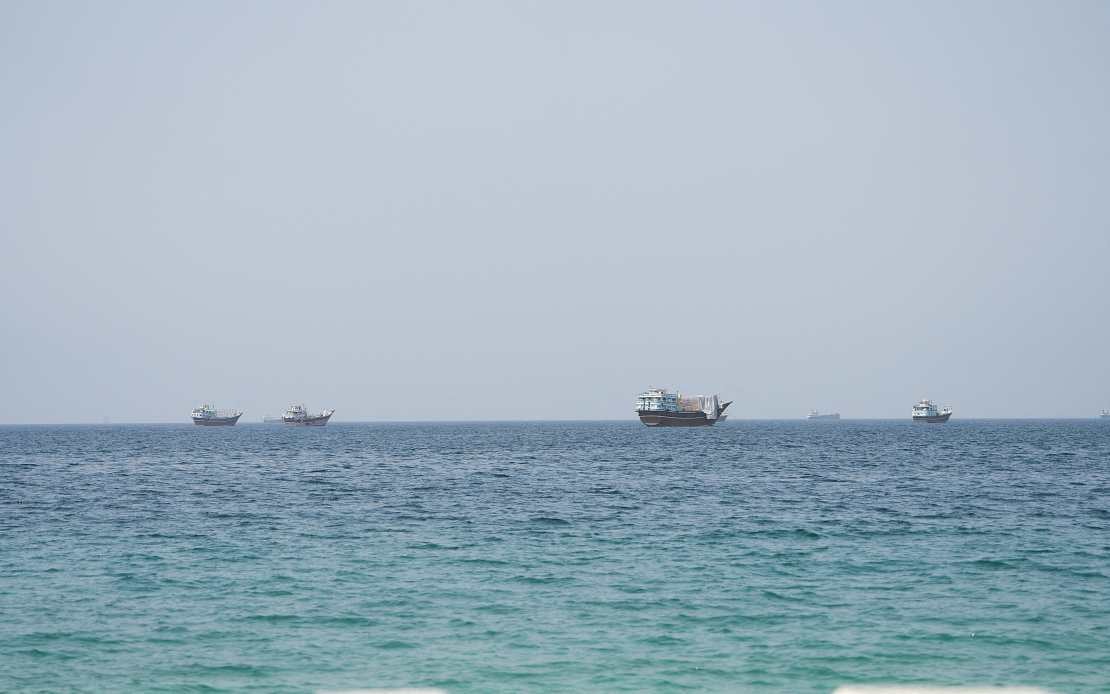
Iran has signalled optimism about ongoing negotiations with Oman regarding maritime transit through the Strait of Hormuz, a crucial chokepoint controlling roughly one-third of global seaborne oil trade. Speaking at a weekly briefing, Foreign Ministry spokesman Esmaeil Baqaei described discussions with Muscat as advancing "smoothly and constructively," marking a potential diplomatic breakthrough in efforts to stabilise one of the region's most strategically significant sea lanes.
The bilateral talks represent a narrowly focused effort to resolve practical shipping concerns that have bedevilled the waterway for several years. According to Baqaei, negotiators have already reached preliminary agreement on the overall shipping traffic map through the strait, though they continue refining technical language for a joint statement expected to formalise their understanding. This incremental progress suggests both Tehran and Muscat recognise the mutual economic interest in maintaining orderly, predictable passage for international vessels.
Among the key mechanisms under discussion are frameworks designed to guarantee safe maritime movements while simultaneously protecting the marine environment and combating what Iranian officials characterise as "maritime crimes." Additionally, the framework being negotiated addresses the cost structure for maritime services, establishing clarity on what fees and charges shipping operators should expect when transiting through Iranian-controlled waters. Such operational details matter enormously to global shipping companies and insurers evaluating risk premiums for vessels entering the region.
Baqaei emphasised that Tehran's primary objective is fashioning "a lasting understanding that ensures complete security in the strait," positioning the talks as technical rather than ideological. He further underlined that discussions with Oman deliberately steer clear of broader geopolitical tensions, framing them strictly as bilateral coordination aimed at identifying safe international shipping routes. This careful messaging suggests Iran seeks to compartmentalise the Hormuz negotiations away from its numerous other disputes with Western powers and regional rivals.
However, the spokesman simultaneously declared that the Strait of Hormuz will remain closed to normal shipping until Washington addresses Iranian grievances, specifically citing an end to what Tehran views as an illegal naval blockade of its ports. This assertion complicates the otherwise technical framing, injecting a political conditionality that links Hormuz passage to broader US-Iran relations. The juxtaposition highlights the fundamental tension: while Oman talks address operational concerns, fundamental disagreements between Washington and Tehran continue to constrain implementation.
The current negotiating process has deep recent roots. In June, Iran and the United States concluded a memorandum of understanding brokered through Pakistani and Qatari intermediaries, technically halting active military hostilities and establishing a pathway toward comprehensive negotiations. That agreement explicitly contemplated phased resumption of commercial navigation through Hormuz, signalling both capitals recognised mutual interest in avoiding further escalation. Yet the intervening weeks have witnessed mutual accusations of violations, with implementation stalling as trust evaporated on both sides.
For Malaysian and Southeast Asian trading interests, the Hormuz negotiations carry substantial practical implications. The region imports significant quantities of Middle Eastern oil and natural gas, making Strait of Hormuz stability essential to energy security and economic growth. Any closure or significant disruption of passage could trigger immediate energy price shocks rippling through regional supply chains. Maritime insurers already factor Hormuz risks into coverage costs, so progress toward normalisation could modestly reduce insurance expenses for regional shipping operators.
The Oman talks also represent diplomatic innovation in regional conflict management. By engaging a respected neutral party with long-standing commercial relationships throughout the Gulf, Iran and interested international parties have found a forum for practical problem-solving insulated from the zero-sum dynamics of US-Iran hostility. This approach mirrors historical patterns of using smaller Gulf states as mediators and administrative facilitators between larger antagonists.
Baqaei's comment that Iran has yet to finalise details regarding its UN General Assembly delegation for September sessions, with an announcement expected in coming weeks, suggests broader diplomatic recalibration may be underway. Leadership composition decisions often signal whether governments intend diplomatic engagement or confrontation at upcoming international forums, potentially offering early indicators of how seriously Tehran views these Hormuz negotiations.
The path forward remains uncertain. While Oman-mediated discussions address legitimate operational concerns, fundamental US-Iran tensions over sanctions, regional influence, and nuclear matters continue to cloud larger strategic resolution. The successful completion of technical protocols with Oman would nonetheless represent incremental progress, creating functioning mechanisms for maritime safety that could persist even if broader political disputes remain unresolved. For global commerce and regional stability, such incremental improvements, however modest, deserve recognition as meaningful achievements in an extraordinarily complicated geopolitical landscape.

