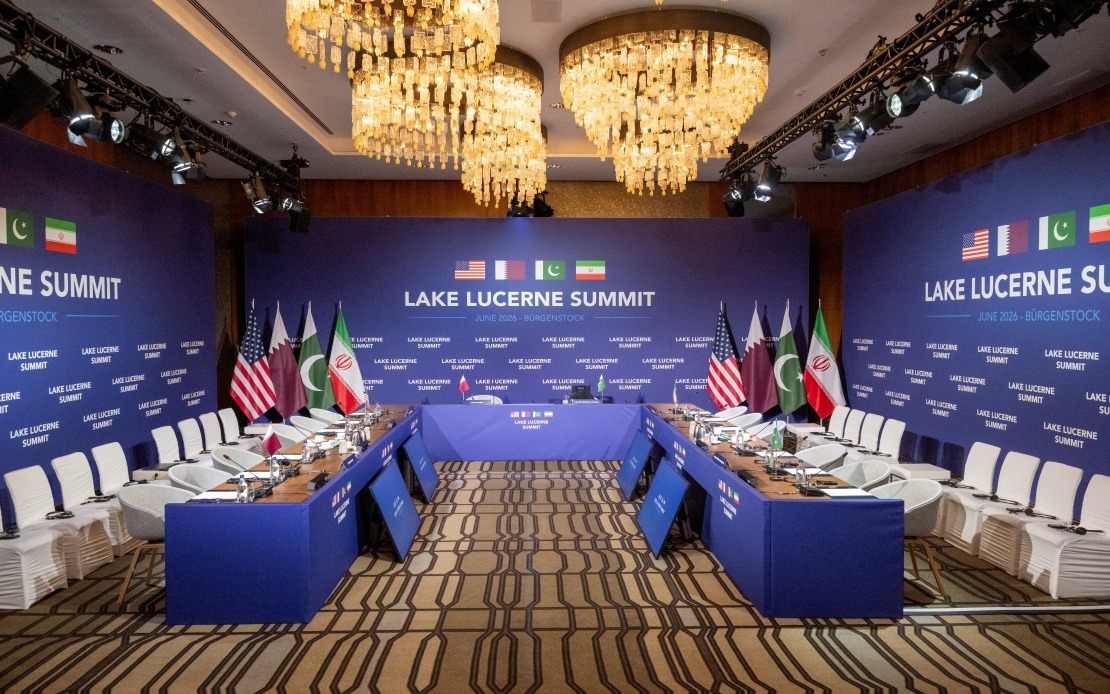
Negotiations between Iran and the United States have entered a structured phase with the formal establishment of technical working groups designed to hammer out the details of a final peace accord. The talks, which commenced at the Burgenstock alpine resort in Switzerland, represent a significant step towards resolving decades-long tensions between the two nations. According to Qatari Foreign Ministry spokesperson Majed Al-Ansari, the parties involved—including mediators Pakistan and Qatar—have committed to delivering a comprehensive agreement within a 60-day timeframe, signalling the urgency and apparent momentum behind these diplomatic efforts.
The creation of specialized technical groups marks a transition from preliminary discussions to substantive negotiations on the core terms of any potential accord. These working groups will focus on distinct aspects of a memorandum of understanding that was presumably agreed upon in earlier rounds of talks, allowing negotiators to delve into technical details and reconcile differences on specific issues. This compartmentalized approach is a standard diplomatic practice that enables parties to make progress on multiple fronts simultaneously, rather than attempting to resolve all contentious issues in plenary sessions where symbolic gestures and rhetorical positioning often dominate proceedings.
Parallel to the technical negotiations, the parties have established monitoring groups tasked with overseeing the implementation of the existing memorandum and tracking progress towards the final agreement. These oversight bodies function as a confidence-building mechanism, allowing all sides to verify compliance and identify potential obstacles early in the process. For the international community and particularly for regional powers concerned about stability, the presence of such monitoring structures suggests that negotiators are thinking beyond the initial accord to the crucial phase of implementation and verification, which has historically proven contentious in similar negotiations.
The role of Pakistan and Qatar as mediators underscores the importance of trusted intermediaries in resolving deep-seated international disputes. Qatar, which has maintained diplomatic channels with multiple regional and international players, brings particular credibility to the table. Pakistan's involvement reflects broader South Asian and Islamic world interests in de-escalation between Iran and Washington. These nations have invested political capital in facilitating these talks, and their continued participation signals that influential actors believe a negotiated resolution remains achievable despite previous setbacks and the historical complexity of US-Iran relations.
For Malaysia and other Southeast Asian nations, the outcome of these negotiations carries significant implications. A resolution between Iran and the United States could reshape regional geopolitics, potentially affecting energy markets, maritime security, and the balance of power in the Middle East. Malaysia, as a major energy importer and maritime trading nation, has a vested interest in regional stability. Disruptions in oil supplies or heightened tensions in the Persian Gulf and surrounding waters directly impact Southeast Asian economies and supply chains. Furthermore, Malaysia's substantial Muslim population and historical ties to Iran mean that developments in US-Iran relations resonate domestically and regionally.
The ambitious 60-day timeline reflects confidence among negotiators that the fundamental parameters of a deal have been established. However, observers note that such deadlines in international negotiations are frequently extended when substantive disagreements persist. Previous rounds of US-Iran talks, including those surrounding the Joint Comprehensive Plan of Action (JCPOA) negotiated in 2015, demonstrated that even when parties show genuine commitment, technical complexities and political constraints can protract discussions indefinitely. The establishment of working groups does indicate serious intent to resolve outstanding issues systematically rather than through protracted political posturing.
Key issues likely being addressed in these technical groups include sanctions relief, nuclear programme limitations, verification mechanisms, and the removal of foreign fighters from regional conflicts. Each of these domains involves intricate legal, technical, and political dimensions that require expert-level engagement. The degree to which these groups can find common ground will ultimately determine whether a comprehensive accord emerges within the stated timeframe. Disagreements on verification procedures or the sequencing of sanctions removal, for instance, have derailed negotiations in the past and could prove obstacles again.
The reference to Al-Ansari's statement about "good faith" negotiations and the pursuit of a "comprehensive and sustainable agreement" underscores the diplomatic language that accompanies such efforts. These terms suggest that negotiators are not pursuing a narrow interim agreement but rather a more durable framework addressing multiple dimensions of bilateral relations. Sustainability, in particular, implies consideration of long-term compliance and structural measures to prevent renewed conflict, recognizing that agreements lacking domestic political support or built on asymmetric concessions tend to unravel when administrations change or domestic political pressures shift.
The geopolitical context surrounding these negotiations remains complex. The talks occur against a backdrop of broader regional competitions involving Russia, China, Saudi Arabia, and Israel, all of whom have stakes in the outcome. Russia's involvement in Middle Eastern affairs, China's energy interests in Iran, and Israel's security concerns all create pressure points that could influence negotiations. For Southeast Asian observers, these external pressures remind us that even bilateral negotiations occur within interconnected global systems where actions in one region ripple across others.
Media coverage of these negotiations tends to oscillate between cautious optimism and skepticism, reflecting genuine uncertainty about prospects. Historical precedent suggests both hope and caution are warranted. The 2015 JCPOA represented a genuine diplomatic achievement, though it subsequently faced political challenges in the United States. The establishment of working groups and monitoring mechanisms suggests parties are attempting to learn from previous experiences and construct more robust frameworks. Whether this translates into a successful agreement within 60 days remains to be seen, but the structured approach undertaken represents meaningful diplomatic progress from the starting point of deep mutual suspicion and hostile rhetoric that characterized US-Iran relations for much of the past two decades.

