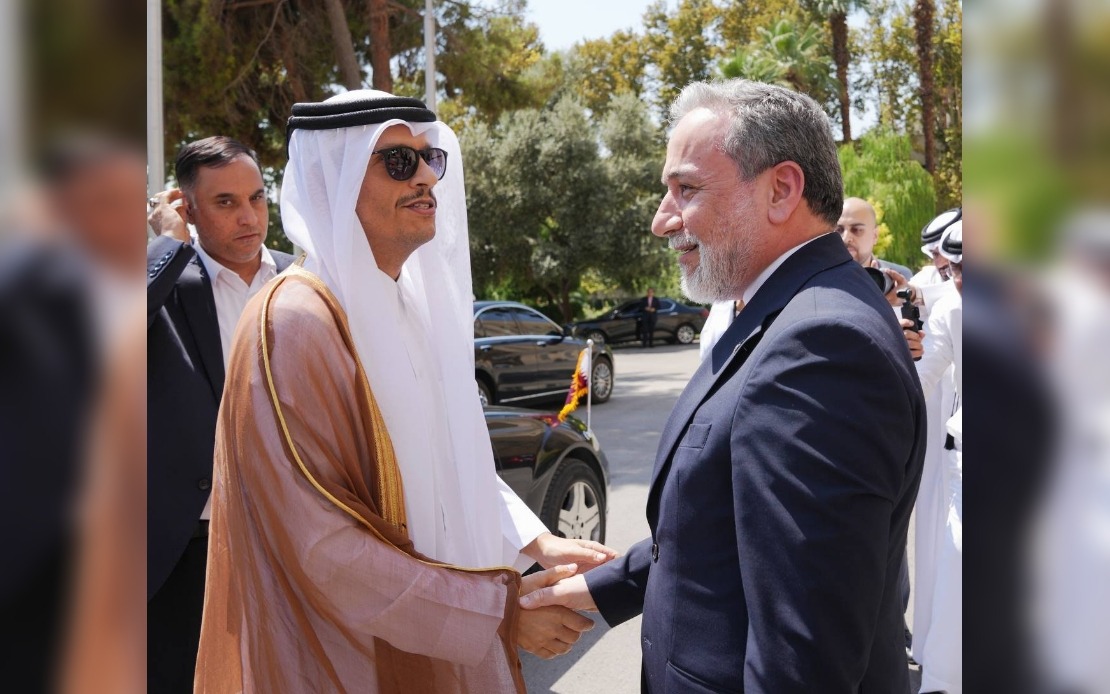
Iran's top diplomat has signalled cautious openness to reviving negotiations with the United States, marking a potential shift in rhetoric as Doha intensifies mediation efforts between the two adversaries. Foreign Minister Abbas Araghchi stated through social media on Friday that putting diplomacy "back on track isn't impossible," following substantive conversations with Qatar's Prime Minister and Foreign Minister in Tehran. The statement represents a measured acknowledgement that dialogue pathways, though strained, remain theoretically viable despite months of escalating tensions and mutual recriminations.
Araghchi framed the prospects for renewed engagement around a fundamental precondition that reflects Iran's consistent position in regional negotiations: the rejection of coercive tactics as a foundation for trust-building. He emphasized that pressure-based strategies have historically proven counterproductive in US-Iran relations, and that meaningful progress requires Washington to demonstrate respect, acknowledge Iranian rights, and honour previous commitments. This formulation carries significant implications for how future talks might be structured, suggesting Iran would demand substantive concessions on existing grievances rather than accepting incremental confidence-building measures alone.
Qatar's diplomatic initiative reflects the Gulf state's evolving role as a regional broker and its strategic interest in de-escalation. Sheikh Mohammed bin Abdulrahman bin Jassim Al Thani visited Tehran on Thursday, marking his first trip to Iran since hostilities intensified in late February, when American and Israeli military operations prompted retaliatory strikes and a marked deterioration in regional security dynamics. The visit underscores Doha's commitment to preventing a broader conflict that could destabilize hydrocarbon-dependent economies across the Arabian Peninsula and beyond.
During his Tehran visit, the Qatari foreign minister engaged with Iran's highest-ranking officials, including President Masoud Pezeshkian, Parliament Speaker Mohammad Bagher Qalibaf, and Secretary of Iran's Supreme National Security Council Mohsen Rezaei. This unusually comprehensive engagement across multiple power centres within Iran's political hierarchy indicates the gravity with which Tehran views Qatar's mediation efforts and the serious consideration being given to diplomatic pathways. The breadth of these discussions suggests that potential negotiations extend beyond narrow bilateral issues to encompass regional security architecture and medium-term stability frameworks.
The talks reportedly focused on creating structural conditions enabling renewed dialogue between Washington and Tehran, moving beyond symbolic gestures toward concrete mechanisms for reducing confrontation. Among the proposals discussed was establishment of a temporary joint navigational corridor through the Strait of Hormuz, one of the world's most critical shipping lanes through which approximately one-third of all seaborne oil passes annually. For Malaysia and other Southeast Asian economies dependent on Middle Eastern energy supplies and free passage through vital waterways, such arrangements carry substantial commercial implications, affecting fuel costs and supply chain reliability.
Alongside navigational arrangements, the conversations encompassed mine-clearing operations in disputed waters, addressing environmental and safety concerns that have accumulated during periods of tension. Such technical cooperation, though seemingly limited in scope, historically serves as a confidence-building foundation upon which more comprehensive diplomatic settlements can be constructed. The specificity of these proposals suggests that mediators and negotiating parties have invested considerable effort in identifying discrete areas where mutual interest might override broader strategic differences.
Qatar's emergence as a principal mediator in this dispute reflects both its geographic position and its established relationships across the spectrum of regional actors. Doha has previously brokered discussions between other antagonistic parties in the Middle East and maintains pragmatic relationships with both Iran and the United States. For Malaysia and other ASEAN nations focused on maintaining Southeast Asian neutrality in great-power competitions, Qatar's success in this mediation would establish a useful precedent for regional actors playing constructive third-party roles without becoming entangled in zero-sum geopolitical calculations.
The timeline of these developments carries significance within the context of broader Middle Eastern instability. The escalation beginning in late February created cascading uncertainties affecting global energy markets, insurance rates for international shipping, and the strategic calculus of regional actors. Any genuine movement toward de-escalation addresses not merely bilateral US-Iran relations but has ripple effects across a region already destabilized by multiple active conflicts and sectarian tensions. Malaysia's own economic interests in regional stability and uninterrupted maritime commerce make such developments worthy of careful attention.
Araghchi's framing of the diplomatic possibility around trust-building and mutual respect rather than transactional compromises suggests Iran anticipates substantial negotiations rather than limited confidence measures. The emphasis on Washington "understanding" that pressure fails and must instead "acknowledge rights" indicates Tehran views current discussions as potentially requiring fundamental recalibration of how the two nations approach each other, rather than tactical adjustments to existing positions. This distinction has profound implications for negotiating timelines and the realistic prospects for rapid agreement.
The statement's measured tone—acknowledging possibility while setting demanding preconditions—reflects Iran's experience of failed negotiations, most notably the 2015 nuclear deal that Iran honoured until the United States withdrew unilaterally in 2018. That history shapes Iranian scepticism toward agreements not perceived as durable or reciprocal. Qatar's role as mediator partially addresses this concern, as Doha's continued presence and investment in de-escalation suggests interest in agreements capable of enduring beyond any single administration's tenure in either capital.
For regional observers including Malaysia, these diplomatic signals warrant cautious monitoring rather than unreserved optimism. Qatar's intermediary efforts represent genuine progress toward dialogue, yet substantial obstacles remain before substantive negotiations could commence, let alone produce binding agreements. The willingness to resume diplomacy and the actual capacity to resolve underlying disputes represent distinct achievements, and the path between them remains contested and uncertain.
The broader context involves multiple overlapping conflicts and alliance structures across the Middle East, from Israeli-Palestinian tensions to proxy competitions in Yemen, Syria, and Iraq. US-Iran de-escalation would not resolve these underlying regional fractures but might create space for their management through negotiated frameworks rather than military escalation. For Malaysia and Southeast Asia seeking regional stability and predictable international commerce, such outcomes, even if imperfect, represent preferable alternatives to continuous confrontation and the perpetual uncertainty it generates.

