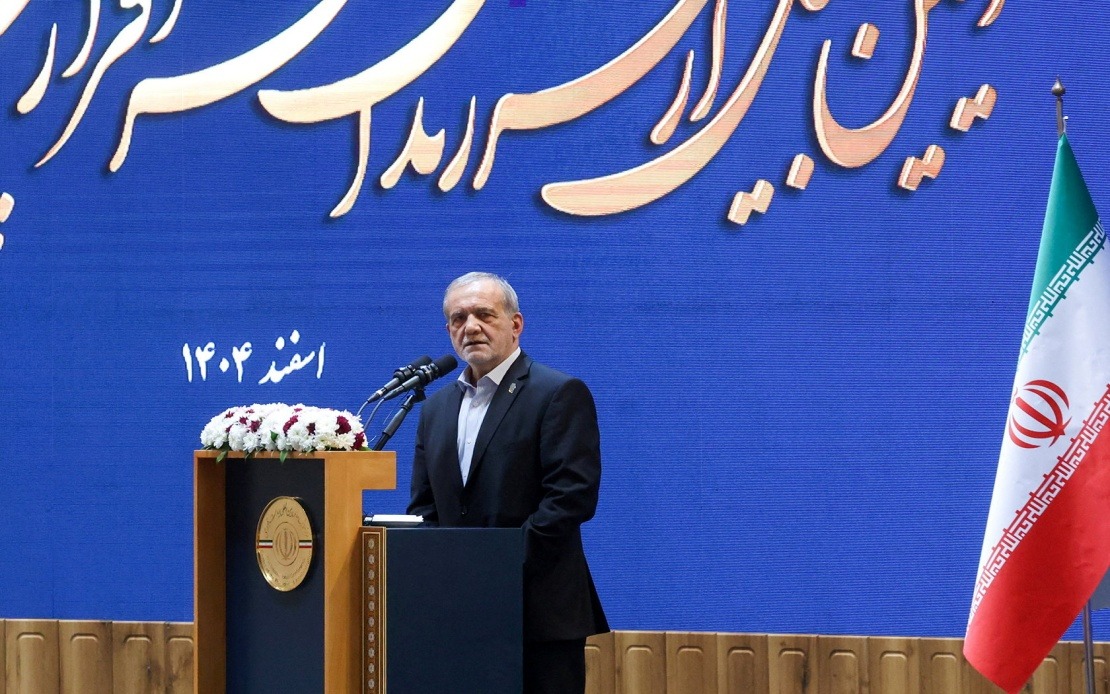
In a significant diplomatic signal, Iranian President Masoud Pezeshkian has suggested that Tehran might be prepared to commit in writing to abandoning nuclear weapons development, a declaration that could reshape the trajectory of ongoing negotiations with the United States. The statement, made public through state media channels, represents a notable opening in discussions that have historically foundered on verification and commitment concerns. Whether this proposal forms part of the active talks currently underway in Switzerland remains unclear, though the timing of Pezeshkian's remarks suggests the government is actively exploring confidence-building measures as both sides seek common ground.
The backdrop to these overtures is a framework agreement signed earlier this week between Iran and the United States, establishing the foundation for accelerated negotiations. Under this arrangement, negotiators have been given 60 days to hammer out a comprehensive settlement addressing Iran's nuclear programme, one of the most contentious issues in international relations and a persistent obstacle to broader regional stability. The Geneva-based talks commenced on Sunday with representatives from both nations present, indicating serious intent from leadership in Tehran and Washington to move beyond decades of mistrust and sanctions.
Pezeshkian framed Iran's potential willingness to sign such a declaration within a broader narrative of religious and ideological opposition to weapons of mass destruction. He invoked the position of former Supreme Leader Ali Khamenei, who rejected the development of such weapons on theological grounds, asserting that this stance remains embedded in Islamic Republic doctrine. This framing is significant for domestic audiences, as it allows Iranian leadership to present any agreement as consistent with established revolutionary principles rather than capitulation to external pressure.
The Iranian government has maintained consistent public messaging that its nuclear programme pursues exclusively peaceful energy objectives. The proposed written declaration would operationalise this position within a formal international framework, potentially addressing one of the International Atomic Energy Agency's long-standing verification concerns. For regional observers and international stakeholders, such a commitment would represent unprecedented transparency from a government that has historically kept its nuclear intentions ambiguous.
Pezeshkian expressed optimism about the negotiating process itself, characterising the preliminary agreements reached as substantially favourable to Iranian interests. This positive assessment carries weight in Tehran's decision-making circles, suggesting that negotiators believe they have secured meaningful concessions or guarantees in exchange for stepping back from nuclear weapons development aspirations. The president's confidence may also reflect pressure from Iran's economic situation, where Western sanctions have severely constrained growth and international trade.
A concrete economic element underpins these negotiations: the potential release of $6 billion in frozen Iranian assets currently held in Qatar. This sum, while modest relative to the full scope of sanctions imposed over decades, represents immediate relief for Iran's cash-strapped government and could unlock additional international financial flows if broader normalisations proceed. For Malaysia and Southeast Asia, such developments carry implications for regional trade, as a sanctions-relieved Iran might expand commercial engagements with ASEAN partners.
The significance of Pezeshkian's overture extends beyond bilateral Iran-US relations. A written Iranian declaration renouncing nuclear weapons would have profound implications for regional security architectures across the Middle East and beyond. Saudi Arabia, Israel, and other regional players have repeatedly expressed deep concern about Iranian nuclear ambitions, and such a formal commitment could recalibrate regional threat assessments and potentially ease tensions that have destabilised multiple proxy conflicts.
For Malaysian policymakers and regional observers, these developments warrant careful monitoring. A nuclear-constrained Iran could reshape patterns of regional influence and commercial engagement, potentially opening space for expanded Southeast Asian economic partnerships. Conversely, if negotiations collapse, resulting regional instability could disrupt maritime trade routes and energy supplies critical to ASEAN economies.
The 60-day timeline embedded in the framework agreement creates urgency for both negotiating parties to reach final settlement. This compressed schedule suggests that preliminary positions have already narrowed considerably, and that substantive compromises have been identified. Pezeshkian's public signalling about written declarations appears designed to manage both domestic and international expectations, preparing political ground for potential concessions that hardliners might resist.
The precedent of written commitments in nuclear diplomacy is mixed. Previous agreements have foundered on enforcement and verification mechanisms, yet formal declarations carry political weight and domestic legitimacy. For Iran, a written renunciation could satisfy both revolutionary ideology and pragmatic requirements for sanctions relief. For the United States and its allies, such documentation provides at least minimal legal grounding for enforcement actions should Iran subsequently violate commitments.
As negotiations advance in Switzerland, the interplay between Iran's domestic political constraints and its international obligations will intensify. The government must balance the economic imperatives driving nuclear diplomacy against ideological and security considerations that have traditionally resisted foreign pressure. Pezeshkian's measured tone suggests this calculation may be shifting toward accommodation, though significant obstacles remain before any final comprehensive agreement materialises.

