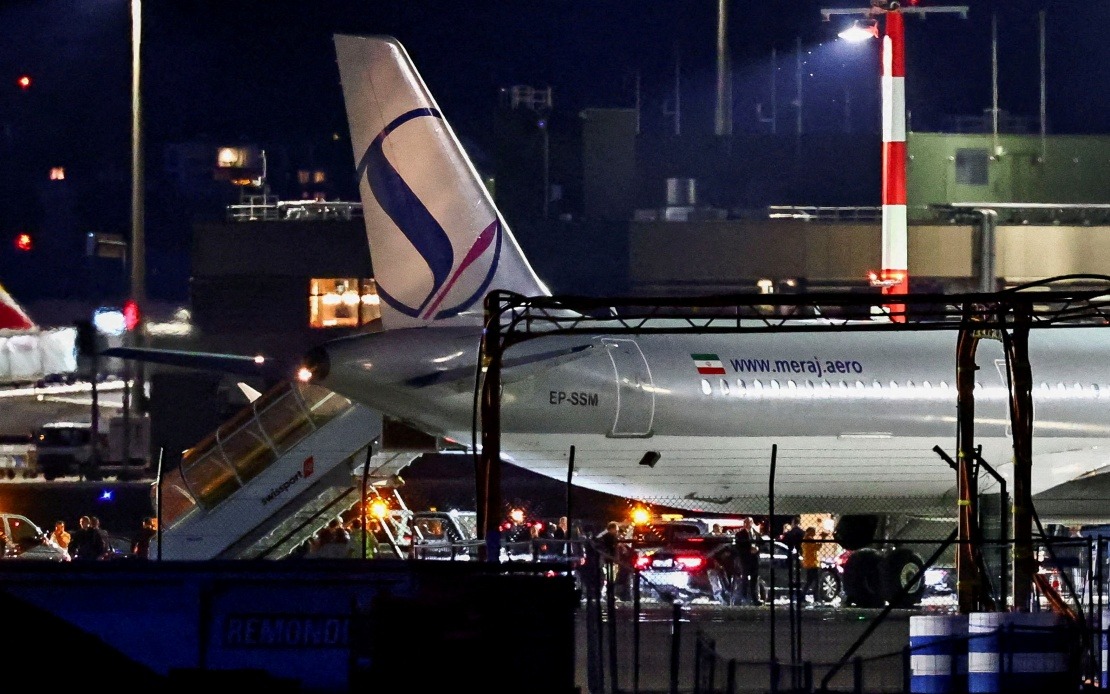
Forthcoming discussions between Iran and the United States in Switzerland will centre on executing specific clauses of an existing memorandum rather than negotiating a final accord, according to Iran's Foreign Ministry. The Tehran government has signalled that it will not proceed to conclusive talks until several foundational conditions are satisfied, creating a structured roadmap for what observers view as a critical phase in efforts to resolve decades-long tensions between the two nations.
Spokesman Ismail Baghaei outlined the Iranian position through social media, emphasising that progress depends on fulfilling obligations laid out in Articles 1, 4, 5, 10, and 11 of the memorandum framework. The sequence matters strategically: under Article 13, finalising a comprehensive agreement cannot commence until these earlier provisions take effect. This sequencing reflects Iran's insistence on reciprocal action and demonstrates the careful choreography required to build sufficient trust between parties with a fractured diplomatic history.
Article 1 stands as the cornerstone of Iran's immediate demands. This provision calls for a comprehensive cessation of hostilities across all theatres, including conflicts in Lebanon where Iranian-backed militias maintain significant presence. The inclusion of Lebanon signals Iran's determination to link regional conflicts with broader negotiations, reflecting how interconnected Middle Eastern geopolitics have become. For Iran, achieving acknowledged ceasefire status would represent a symbolic and practical victory, establishing formal recognition of conflict resolution.
Beyond ceasefire commitments, Articles 4 and 5 address military dimensions that have long preoccupied both capitals. These sections stipulate mutual non-aggression pledges, removal of the US naval blockade, withdrawal of American military forces stationed nearby, and restoration of safe commercial navigation through the strategically vital Strait of Hormuz. The Strait provisions carry particular significance for global energy markets and regional stability, making their resolution consequential far beyond US-Iran relations.
Economic relief forms the second pillar of Iran's negotiating focus. Article 10 concerns US governmental waivers permitting Iranian oil exports and associated financial services to resume. For an Iranian economy strangled by sanctions for nearly two decades, restoring oil commerce represents existential economic relief. Baghaei's emphasis on reviewing implementation measures for this article suggests Iran seeks concrete timetables and guarantees rather than vague commitments.
Article 11 addresses the frozen assets issue, equally significant for Iranian economic recovery. Iran's central bank reserves, investment funds, and commercial assets held internationally have been immobilised through sanctions regimes. Unfreezing these resources would unlock capital for infrastructure projects, healthcare, and economic diversification. The memorandum specifies that this unfreezing occurs through mutually agreed procedures, indicating negotiations will be complex and protracted.
The Malaysian regional perspective on these negotiations warrants consideration. Southeast Asia depends heavily on stable energy supplies and unobstructed maritime trade through the Strait of Hormuz. Approximately 20 per cent of global oil passing through international waters transits this chokepoint. Any escalation in US-Iran tensions risks disrupting energy markets and elevating fuel costs across the region, directly affecting consumer prices and manufacturing competitiveness in Malaysia and neighbouring countries.
Furthermore, Iran's economic reopening would reshape regional trade dynamics. Sanctioned Iranian markets have long been inaccessible to Malaysian businesses. Normalisation could create commercial opportunities in petrochemicals, technology, and manufacturing sectors while potentially increasing competition in Southeast Asian energy markets. Malaysian policymakers monitor these developments carefully as they evaluate energy security strategies and diversification options.
The Iranian position articulated by Baghaei reflects strategic sequencing rather than inflexibility. By insisting that implementation precedes final negotiations, Iran ensures that each stage produces tangible gains. This approach protects against scenarios where Iran makes concessions upfront only to find subsequent negotiating phases deadlock. Conversely, it demonstrates willingness to proceed through structured stages rather than demanding everything simultaneously.
US negotiators must assess whether accepting Iran's sequencing framework offers viable pathways to breakthrough or whether it represents tactics to extract maximum concessions. The memorandum itself, by specifying Article 13's dependency structure, appears to embed Iran's preferred approach into the very framework both parties ostensibly accepted previously. This suggests the memorandum represents more than technical guidelines; it embodies the fundamental bargain between capitals.
Observers note that ceasefire implementation presents the most complex element. Establishing verification mechanisms for conflict cessation across multiple theatres, particularly involving non-state actors in Lebanon, requires intricate coordination and trust-building that transcends traditional diplomatic negotiations. The US must coordinate with regional allies, while Iran must exercise influence over allied militias—commitments that involve reputational costs both parties resist.
The timeline for these discussions remains unspecified, but Baghaei's statement suggests Switzerland talks will begin assessing whether both sides genuinely intend implementing Articles 1, 4, 5, 10, and 11. Success here would validate the memorandum framework and establish momentum toward final negotiations. Failure could trigger recriminations, renewed sanctions escalation, and regional instability with consequences rippling through global energy markets and maritime commerce zones vital to Southeast Asian economies.

