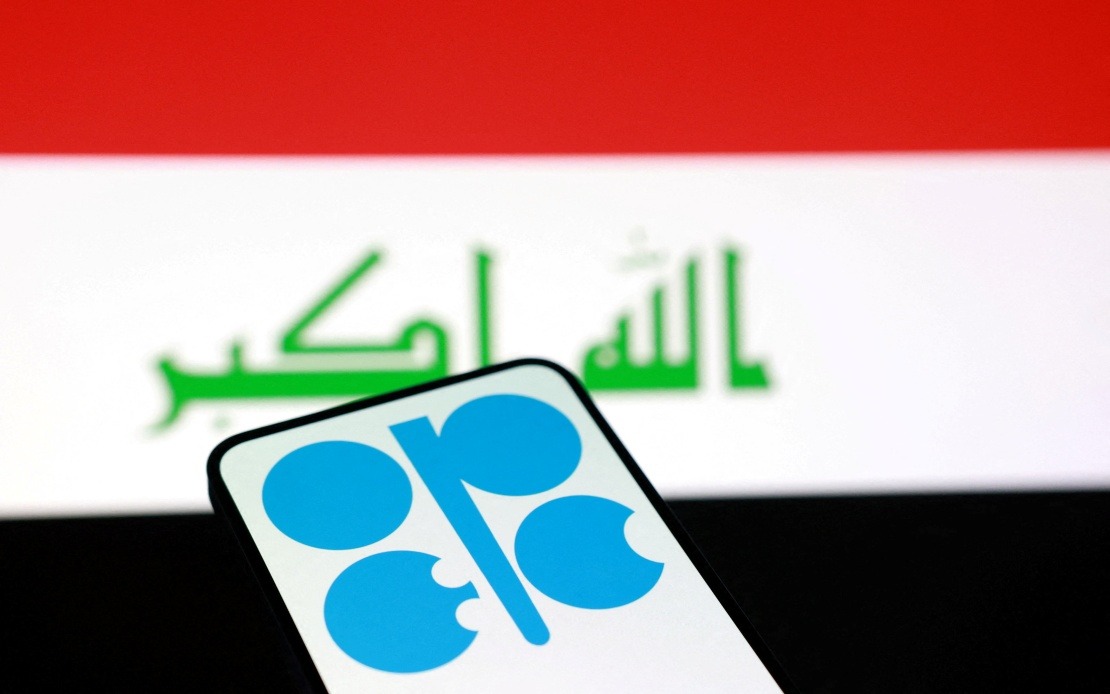
Iraq's Oil Ministry moved swiftly to extinguish speculation about a potential departure from OPEC, denying reports that surfaced in international media suggesting the country might reconsider its membership if production quotas were not increased. The clarification came after Bloomberg reported Thursday that Baghdad had hinted at reconsidering its OPEC status should its assigned output ceiling remain unchanged. Through an official statement, the ministry emphasised that neither Iraq's prime minister nor the broader government has broached the subject of withdrawal, and such claims do not represent Baghdad's official policy position.
The denials underscore a delicate diplomatic balancing act for Iraq within the cartel. While firmly rejecting the narrative of an imminent exit, the ministry simultaneously doubled down on what constitutes Baghdad's core grievance: that current production quotas fail to reflect Iraq's genuine capabilities and legitimate economic circumstances. Oil Ministry spokesman Salim Al-Rikabi acknowledged that Iraq harbours no current intention of leaving OPEC and remains committed to operating within the organisation's established framework and decision-making mechanisms. Yet he was equally clear that Iraq intends to expand output in accordance with its technical capabilities and domestic requirements, expecting OPEC to acknowledge this reality through corresponding increases in its allocated production level.
Iraq's push for higher quotas carries significant weight when examined against the country's historical trajectory and current vulnerabilities. The ministry framed its position within the context of Iraq's extraordinary circumstances, noting that over four decades of warfare, international sanctions, and infrastructure destruction—compounded by terrorist attacks specifically targeting petroleum facilities—have ravaged the nation's productive capacity. This historical reckoning forms the argumentative foundation for Iraq's contention that it deserves special consideration within OPEC mechanisms. The ministry argues that allowing Iraqi production to reach what it characterises as a fair and equitable level is essential not merely for Baghdad's economic recovery, but for restoring Iraq to its rightful position as the second-largest oil producer among OPEC member states, a status the country held before its recent tumultuous decades.
The timing of Iraq's reassertion of commitment to OPEC coincides with broader structural changes within the cartel's governance framework. OPEC and its allied producers have already initiated a comprehensive reassessment process examining the maximum sustainable production capacity of each member state. This review involves coordination with an independent international consulting firm and, critically, includes Iraq's active participation in shaping the outcomes. The engagement with external technical expertise represents a significant shift in how the cartel approaches capacity assessments, moving beyond purely political negotiations toward ostensibly neutral, scientifically grounded determinations of what each nation can realistically produce.
Parallel to this capacity review, the cartel has begun the gradual process of restoring production levels that were previously curtailed under voluntary reduction agreements. These cuts, which were implemented to manage global supply and support prices, are being progressively wound down, with plans to complete the full restoration of output within coming months. This phased increase in collective OPEC production carries particular significance for Iraq's objectives, as the framework within which these increases occur should theoretically provide opportunities for Baghdad to secure a higher individual quota that better reflects its capabilities and the findings of the ongoing capacity assessment.
For Malaysian readers and broader Southeast Asian observers, Iraq's negotiating position within OPEC carries indirect but meaningful implications for regional energy security and crude oil pricing dynamics. Iraq remains a significant crude supplier to Asian markets, and any expansion in its production capacity would contribute to global supply stability at a time when energy markets remain sensitive to geopolitical disruptions and supply constraints. Conversely, instability within OPEC or unresolved disputes over quota allocations risk creating production uncertainties that could translate into price volatility affecting energy-dependent economies throughout the region.
The ministry made explicit that all disputes regarding production ceilings or capacity assessments will be resolved through technical mechanisms and consensus-building processes embedded within the OPEC+ framework, rather than through confrontational posturing or ultimatums. This procedural commitment aims to reassure both OPEC partners and international observers that Iraq's assertiveness over quotas does not presage institutional instability or cartel fragmentation. The statement also highlighted what the ministry characterised as substantial understanding among OPEC member states regarding Iraq's exceptional situation, suggesting that Baghdad's case for quota adjustments has resonated with fellow cartel members who recognise the legitimacy of accounting for Iraq's distinctive historical and contemporary circumstances.
The capacity reassessment process itself represents a potential turning point in how OPEC allocates production rights among members. Rather than relying primarily on political negotiations and historical precedent, the introduction of technical evaluations by independent international consultants could theoretically provide Iraq with a more objective basis for claiming higher quotas. If the independent assessment concludes that Iraq's sustainable production capacity exceeds its current quota, Baghdad would gain a credible, third-party validated argument for quota increases that transcends purely political pleading. This shift toward technocratic assessment mechanisms may ultimately serve Iraq's interests better than continued reliance on historical arguments about exceptional circumstances.
Looking toward 2027, when OPEC's current output framework is scheduled for comprehensive review and renewal, the ongoing capacity assessments will directly inform the negotiation of new production targets. Iraq's active participation in these assessments and its willingness to work within established OPEC mechanisms, despite its obvious frustration with current quota constraints, suggests Baghdad is positioning itself to extract meaningful concessions when the cartel formalises production arrangements for the subsequent period. The ministry's reframing of its quota demands as technical adjustments justified by capacity assessments rather than as existential threats to cartel membership represents a strategic shift toward persuasion through evidence rather than coercion through threat.
Ultimately, Iraq's carefully calibrated response to the OPEC exit speculation reveals a government walking a narrow political tightrope. Baghdad must satisfy domestic constituencies demanding maximum petroleum revenue for economic reconstruction and social investment while simultaneously reassuring OPEC partners that Iraq remains a committed, cooperative member despite its deep dissatisfaction with current quota arrangements. The ministry's emphasis on technical processes, consensus mechanisms, and mutual understanding suggests Iraq is betting that objective assessments of productive capacity will vindicate its position and generate the quota increases Baghdad seeks. Whether this calculated approach succeeds will depend substantially on how independent assessments ultimately evaluate Iraq's genuine production capabilities and how receptive fellow OPEC members prove to be in accommodating Iraq's expanded role within the cartel's output framework.

