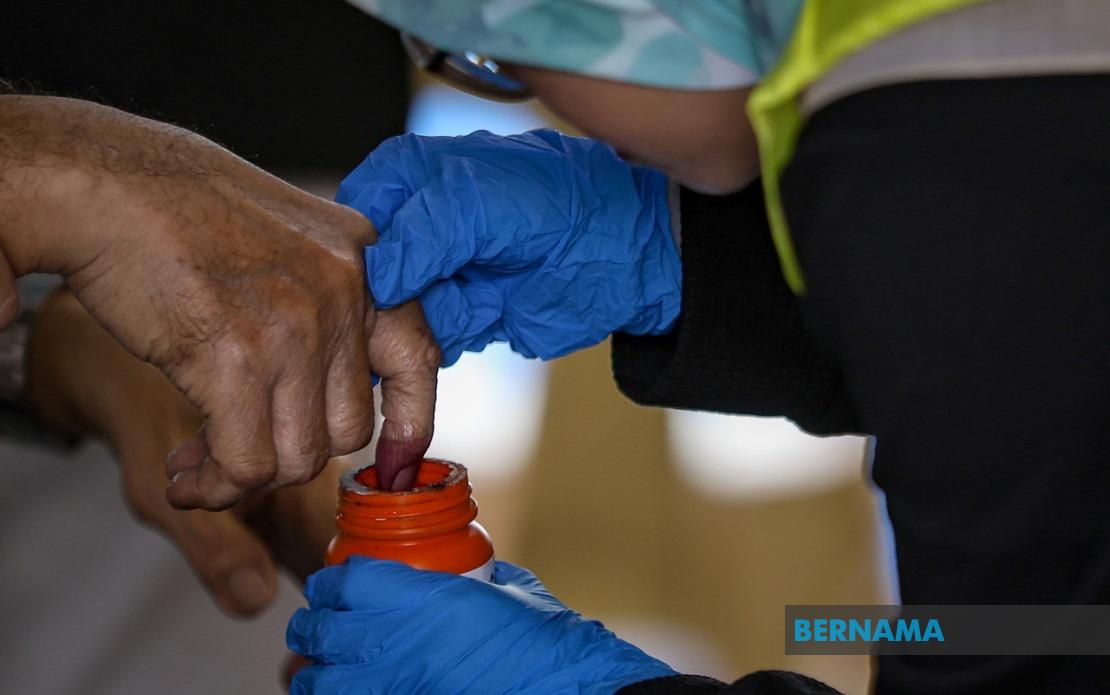
The first polling centre to conclude voting in Johor's state election today was Balai Raya Pulau Besar, shutting its doors at 11 am as residents of the island community completed their electoral obligations. The remote island location, which serves one of the state's most dispersed constituencies, managed orderly voting for its modest registered voter population of 32 people, according to the Tenggaroh state constituency returning officer Jamil Hasni Abdullah.
The closure of polling sites across the five islands scattered through the waters of Johor proceeded in staggered fashion throughout the morning. Following Pulau Besar's early shutdown, two additional centres—Balai Raya Pulau Aur and Sekolah Kebangsaan Pulau Pemanggil—ceased operations at noon, while the final pair of island polling stations at Balai Raya Pulau Sibu and SK Pulau Tinggi wrapped up at 2 pm. This sequential closure reflected both the logistical constraints of island voting and the relatively small electorate spread across these five locations.
The island constituencies represent a unique electoral challenge within Malaysia's system, requiring dedicated arrangements to ensure remote residents can exercise their franchise without excessive hardship. With a combined registered voter population of 690 people across all five islands, these communities constitute a microcosm of democratic participation that demands particular administrative attention. The staggered closing times allowed election officials to manage the transport of ballot materials and officials between locations efficiently while accommodating the geographical realities of island voting.
By the midpoint of the polling day at 1 pm, the Election Commission released figures indicating substantial participation across Johor and nationally. More than 1.1 million votes had been cast from the state's electorate of over 2.6 million registered voters, translating to a turnout rate of 42.16 per cent. This figure suggested moderate but not exceptional engagement with the electoral process at the halfway mark, leaving the afternoon session crucial for determining overall participation levels.
For Malaysian electoral observers, the island voting data carries implications beyond Tenggaroh's borders. Remote and sparsely populated constituencies throughout the nation face similar logistical hurdles in facilitating voter participation, from Sabah's rural inland areas to Sarawak's longhouse communities. The effectiveness with which authorities manage such dispersed electorates influences both voter confidence in the system's inclusivity and the representativeness of electoral outcomes across diverse geographies.
The scheduling of island polls to conclude substantially earlier than mainland centres reflects practical necessities inherent to archipelago voting. Officials must transport materials to islands, conduct polling, then retrieve completed ballots—operations entirely dependent on weather and water conditions. By closing these stations during midday hours with benign conditions forecast, the Election Commission minimised risks of ballot loss or administrative complications that could arise from evening transfers.
Johor's 16th state election represented a significant political moment for the state, which has historically been a powerhouse within the Malaysian political landscape. The turnout figures at the midway point indicated neither exceptionally high engagement nor troubling apathy, suggesting that voters were exercising their democratic choices with measured interest. The timing of peak participation often shifts later in polling days as working-age voters cast ballots after work hours, meaning the 42 per cent midday figure could rise substantially by evening.
The Election Commission's decision to maintain polls until 6 pm provided a full fourteen-hour voting window, substantially longer than many international jurisdictions allow. This extended timeframe accommodates Malaysia's geographically dispersed population and the practical challenges of reaching voters across the peninsula's diverse terrain, from urban concentrations to agricultural villages to isolated island communities like those in Tenggaroh.
The smooth closure of island polling centres without reported complications suggests that pre-election preparations functioned effectively. Election officials had positioned themselves appropriately, materials had reached remote locations without incident, and voters had accessed their designated centres despite geographical isolation. Such operational success, while expected under normal circumstances, becomes noteworthy when considering the administrative complexities involved in managing simultaneous polling across vastly different electoral environments.
For political parties and candidates monitoring results throughout the day, the midway turnout figure provided early indicators of voter engagement by constituency and region. Significantly higher or lower turnout in particular areas could signal shifts in voter sentiment or effectiveness of campaign mobilisation, information valuable for interpreting final results. The staggered closing of island centres across Tenggaroh meant that preliminary indications of island voter preferences would become available hours before mainland polls concluded, potentially influencing final-hour campaign activities or media coverage.
As the afternoon progressed toward the 6 pm closure, election officials across Johor prepared for the intensive final hours when participation typically accelerated. The contrast between island voters who had completed their duty by early afternoon and mainland electorates who might still be queuing at sunset underscored the geographical disparities that Malaysia's electoral system must continually address. Success in accommodating all voters, regardless of location or circumstance, remained central to the legitimacy that election results could command across the diverse state.

