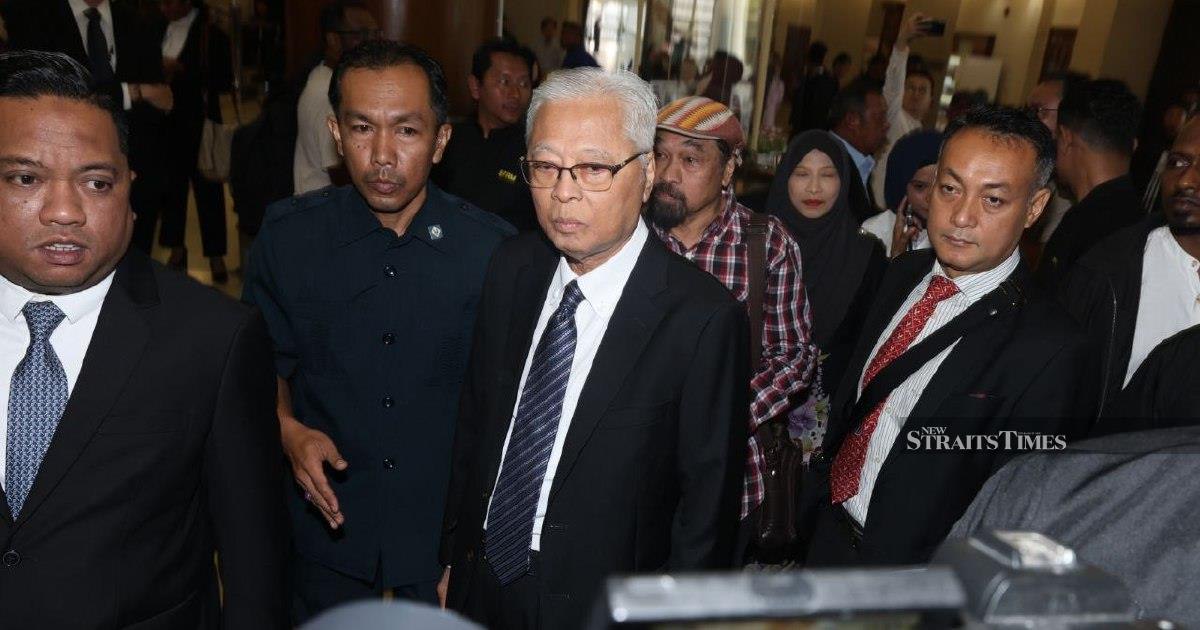
The former prime minister, Datuk Seri Ismail Sabri Yaakob, walked out of the Kuala Lumpur court complex after bail conditions were satisfied through a payment of RM300,000 arranged by his son. The bail amount represents a substantial personal investment by his family and comes at a notable moment in Malaysian political discourse surrounding high-profile legal proceedings.
This development underscores the ongoing judicial scrutiny facing prominent political figures in the country. Ismail Sabri's tenure as prime minister, which ran from August 2021 until November 2022, was relatively brief but consequential in the nation's political landscape. His exit from office followed considerable political turbulence and represented a significant shift in governmental direction during a critical period of Malaysia's recovery from the COVID-19 pandemic.
The bail arrangement itself reflects standard judicial procedures in Malaysian courts, where financial guarantees are commonly used to secure release pending trial or further proceedings. The RM300,000 figure, while substantial for most citizens, is proportionate to bail amounts set for cases involving individuals of prominence and public responsibility. The involvement of his son in posting the bail demonstrates the personal stakes and family dimensions often accompanying high-profile legal matters affecting former government leaders.
Political observers in Malaysia have been following such developments closely, as they relate to broader questions about accountability and governance in the country's institutional frameworks. The legal system's application to former office-holders serves as a gauge of judicial independence and the nation's commitment to the rule of law regardless of political position or standing. These cases frequently attract significant public attention and shape perceptions of institutional integrity.
Ismail Sabri's exit from the court building marked the conclusion of proceedings for that particular date, though such matters typically involve multiple scheduled appearances and ongoing judicial review. The legal processes surrounding senior political figures often extend over considerable periods, with various hearings and procedural requirements that must be fulfilled systematically. Malaysian courts follow established protocols ensuring all parties receive fair treatment within the constitutional framework.
For Malaysian media observers and the general public, such occurrences raise important questions about political accountability and the independence of Malaysia's judicial apparatus. The fact that a former head of government faces legal proceedings signals either significant concerns about governance or represents the normal functioning of checks and balances within democratic systems. International observers frequently examine how countries handle legal cases involving former leadership as indicators of institutional maturity and democratic health.
The bail posting mechanism itself represents one element in Malaysia's broader criminal justice framework. When courts set bail conditions, they balance several competing interests including ensuring the accused's appearance at subsequent proceedings, protecting public safety, and respecting the presumption of innocence. The acceptance of the RM300,000 payment indicates that the court deemed these conditions satisfied through the financial arrangement and likely additional requirements.
Ismail Sabri's political career, which extended significantly before his brief tenure as prime minister, had already involved considerable public scrutiny. His background in Umno and successive governmental portfolios positioned him as a central figure in Malaysian politics for years preceding his appointment to the nation's highest executive office. The complications surrounding his tenure and subsequent departure from power have remained topics of active discussion within political and media circles.
The family's decision to post bail promptly reflects the resources available to the former prime minister's household and their commitment to facilitating his release through lawful mechanisms. Malaysian legal practice requires that bail be paid directly to the court, and such transactions are recorded in official judicial records. The prompt fulfillment of bail conditions demonstrates access to financial means and legal counsel capable of navigating court procedures efficiently.
Looking forward, Ismail Sabri's case will likely involve further court appearances and procedural developments as established within Malaysia's legal system. Each hearing provides opportunities for testimony, evidence presentation, and legal arguments from both prosecution and defence teams. The timeline for resolution of such high-profile cases can extend considerably, particularly when complex legal questions or multiple charges are involved.
The public dimension of cases involving former national leaders extends beyond mere legal interest. These proceedings inform contemporary understanding of how Malaysia's institutions function, whether the judiciary operates independently from political pressure, and whether accountability applies equally across social strata. Such cases contribute to broader perceptions about governance quality and institutional reliability that influence investor confidence, public trust, and the nation's standing internationally.
As the matter proceeds through Malaysia's judicial system, observers will continue monitoring developments closely. The case represents one of several legal challenges facing prominent political figures in Malaysia's recent history, reflecting a period of significant institutional evolution and reassessment of governance standards. How the courts ultimately resolve such cases will carry implications for political conduct standards and public expectations regarding accountability among the nation's leadership class.

