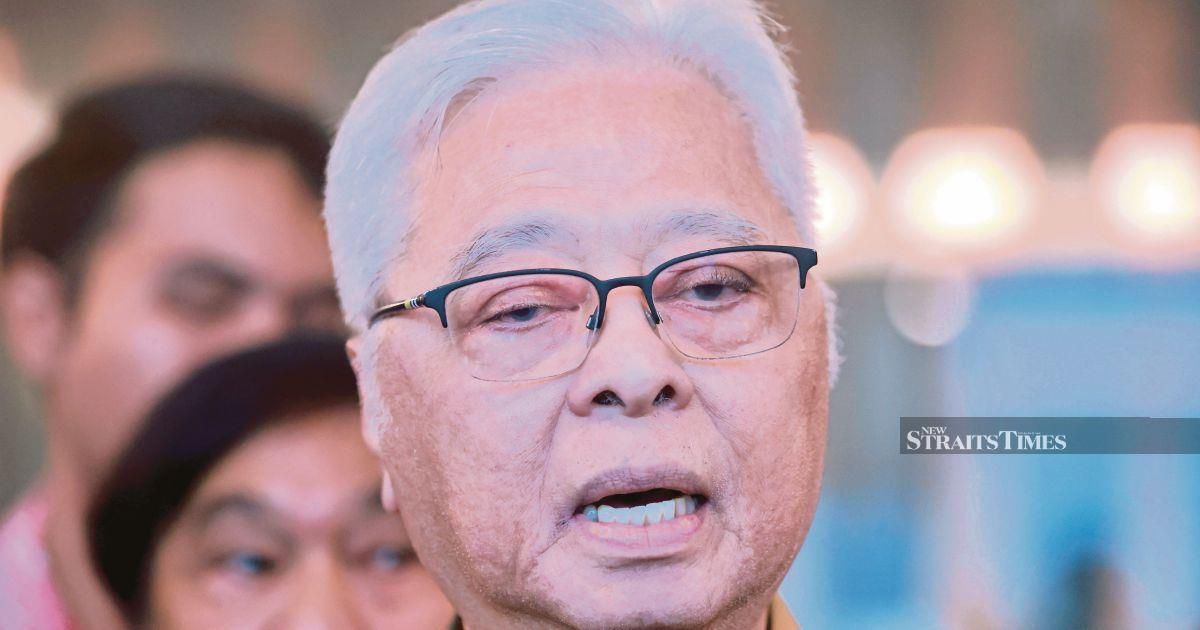
Datuk Seri Ismail Sabri Yaakob stands on the brink of joining a distinctive and troubling category in Malaysian political history—that of former prime ministers who have faced the criminal justice system. The development signals an unprecedented period of legal accountability for Malaysia's highest office, with prosecutors preparing to bring charges against him as the third ex-premier to encounter criminal prosecution. This follows the legal proceedings already initiated against Datuk Seri Najib Razak and Tan Sri Muhyiddin Yassin, marking a significant departure from the historical pattern where Malaysia's former leaders typically remained insulated from serious judicial oversight.
The pattern of criminal charges against successive former prime ministers reflects broader shifts within Malaysia's institutional landscape. The nation's courts and enforcement agencies have demonstrated a willingness to pursue investigations and prosecutions regardless of the defendants' previous standing at the highest levels of government. This represents a meaningful change from earlier decades when allegations against senior political figures were often managed through backroom political settlements rather than formal legal processes. The implications for Malaysia's democratic development are substantial, suggesting both the potential for genuine rule of law enforcement and the risk of selective or weaponised prosecution depending on political circumstances.
Ismail Sabri served as Prime Minister for approximately 17 months, from August 2021 to November 2022, during a tumultuous period of Malaysian politics marked by competing coalitions and shifting parliamentary majorities. His relatively brief tenure occurred against the backdrop of the COVID-19 pandemic's economic disruptions and mounting public dissatisfaction with political instability. The specific charges he may face have not yet been formally disclosed, though Malaysian authorities have previously investigated multiple aspects of his administration's activities. His government was notably formed through the controversial Sheraton Move, which saw the collapse of the previous Muhyiddin administration and the regrouping of political factions.
The case of Najib Razak, who preceded Ismail Sabri by several years, involved extensive proceedings related to financial misappropriation and the 1Malaysia Development Berhad scandal. Najib was convicted in 2020 and initially sentenced to 12 years imprisonment, though the conviction has remained subject to ongoing legal appeals and constitutional challenges. His case has consumed significant judicial resources and generated intense public and international scrutiny, particularly given the amounts involved and the global dimension of the financial flows under investigation. The Najib precedent has established that even a sitting prime minister can be prosecuted for alleged crimes committed during or before their tenure.
Muhyiddin Yassin, who served as Prime Minister from March 2020 to August 2021, has faced charges related to a separate set of allegations, including issues concerning political party funding and alleged abuses of government resources. His prosecution came relatively quickly after leaving office, demonstrating that the transition from political power to potential legal vulnerability has become significantly more compressed. The willingness of authorities to pursue charges against Muhyiddin, despite his relatively recent departure from the premiership and his ongoing prominence within political circles, underscores that former executive authority no longer provides the protective shield it once did.
The prospect of Ismail Sabri joining this cohort reflects deeper questions about Malaysia's political accountability mechanisms and their effectiveness. While the pursuit of criminal charges can represent the triumph of legal principles over political privilege, it also raises concerns about the potential for abuse of prosecutorial power when governments change. In Southeast Asia and globally, the pattern of victorious political coalitions pursuing criminal charges against defeated predecessors has often been used as a mechanism of political control rather than genuine justice. Malaysian observers and international commentators will likely scrutinise whether the charges against Ismail Sabri are pursued on genuine legal merit or represent political score-settling.
The concentration of criminal charges among three consecutive prime ministers is highly unusual in Malaysian politics and raises broader systemic questions. The frequency suggests either a significant deterioration in ethical standards among recent leadership, a genuine increase in prosecutorial capacity and willingness within institutions, or some combination of both factors. Southeast Asian governments frequently face accusations that their judicial systems reflect political pressures rather than independent legal assessment. Malaysia's experience will be watched closely by other regional democracies grappling with similar tensions between accountability and institutional independence.
For Malaysian citizens and businesses, the implications are multifaceted. A pattern of criminal proceedings against former leaders can undermine investor confidence and create perceptions of political instability. International observers monitoring Malaysia's governance trajectory will assess whether the nation is developing genuine institutional mechanisms for accountability or whether the legal system is becoming a tool of political competition. The outcomes of these cases will likely influence Malaysia's standing on international indices measuring rule of law and democratic governance.
The timing and pace of any charges against Ismail Sabri will be closely monitored within political circles. His Umno party remains a significant parliamentary force, and any perception of selective or politically motivated prosecution could reignite questions about the independence of Malaysia's judicial institutions. The way authorities handle these proceedings will set important precedents for how future transitions of power are managed and whether criminal prosecution becomes a standard feature of Malaysian politics. This trajectory, whether viewed as progressive accountability or concerning politicisation, represents a fundamental recalibration of the relationship between political power and legal consequences in contemporary Malaysia.

