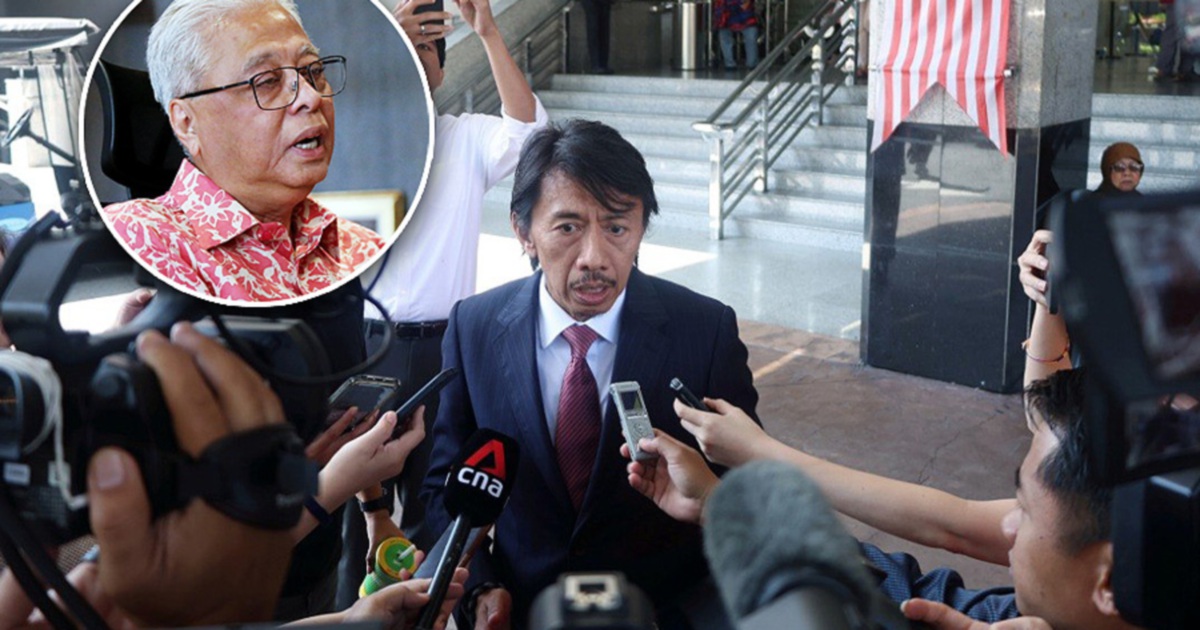
Former Prime Minister Datuk Seri Ismail Sabri Yaakob is pressing ahead with his efforts to exonerate himself despite recent health complications, as he prepares to face legal proceedings under Malaysia's anti-corruption legislation within weeks. The political veteran's resolve to mount a vigorous defence underscores his conviction that he can overcome both the medical hurdles and the judicial challenges that lie before him.
The charges filed under the Malaysian Anti-Corruption Commission Act represent a significant juncture in Ismail Sabri's political trajectory. As someone who held the highest office in the land, the former premier's case carries broader implications for perceptions of governance and accountability within Malaysia's corridors of power. His public assertion of determination reflects both a personal commitment to vindication and a strategic positioning ahead of the court appearances.
The timing of these legal proceedings intersects with Ismail Sabri's health situation, creating a dual burden that tests his physical stamina alongside his legal and political standing. Public figures navigating serious health issues while managing high-stakes judicial proceedings face mounting pressures that extend beyond courtroom advocacy. The former premier's willingness to proceed despite medical setbacks demonstrates a calculation that delay would be more damaging than engagement, regardless of his current physical condition.
Malaysia's anti-corruption framework, overseen by the MACC, has become increasingly prominent in national discourse regarding political accountability. The commission's enforcement actions carry symbolic weight in public consciousness, as they influence perceptions of whether Malaysia's institutions can effectively address misconduct at senior levels. Cases involving former prime ministers naturally attract heightened scrutiny and public interest, given the prominence of those involved and questions about historical governance standards.
Ismail Sabri's brief tenure as prime minister, spanning August 2021 to August 2022, represented a transitional period in Malaysian politics following the collapse of the Tan Sri Muhyiddin Yassin administration. His government faced considerable challenges in managing the post-Covid economic environment, navigating party-political divisions within the ruling coalition, and responding to mounting public frustration over cost-of-living pressures. The context of his premiership influences how observers assess any allegations of misconduct during that period.
The former premier's insistence on clearing his name carries personal, political, and institutional dimensions. From a personal standpoint, facing corruption-related charges constitutes a profound reputational challenge that many would prioritize above other considerations. Politically, how the case unfolds could influence his standing within Umno and broader Malaysian politics, potentially affecting his future roles or influence within party structures. For institutions, the proceedings represent another test of whether Malaysia's judiciary and anti-corruption apparatus function fairly and transparently.
Health complications for individuals undergoing high-pressure legal proceedings introduce variables that complicate proceedings themselves. Courts occasionally accommodate medical conditions through adjusted schedules or procedural modifications, yet the fundamental demands of mounting a coherent defence remain unchanged. Ismail Sabri's commitment to facing charges directly, rather than seeking deferrals or alternative resolutions, suggests confidence in his legal team and perhaps a judgment that prolonged uncertainty would be counterproductive.
The legal framework governing anti-corruption charges in Malaysia evolved considerably over recent decades, with reforms intended to strengthen investigative capacity and prosecutorial effectiveness. Understanding how these mechanisms apply to former office-holders involves examining both the specific allegations and the broader jurisprudence surrounding corruption prosecutions. The MACC Act provides the statutory foundation for these cases, establishing investigative authority and prosecutorial procedures that shape how such matters proceed through Malaysia's courts.
For Malaysian observers tracking governance accountability, cases involving former prime ministers provide important indicators of whether no individual remains beyond reach of the law, regardless of prior office or social standing. Such perceptions matter substantially for public confidence in institutions. Ismail Sabri's determination to engage with the process, despite health challenges, may itself constitute a form of institutional participation that observers monitor closely.
The approaching court dates will test not only the legal merits of charges and defences but also Ismail Sabri's personal resilience. His public statements emphasizing commitment to clearing his name set expectations for forthright engagement with proceedings ahead. How he navigates the intersection of health management and legal strategy in coming weeks will likely influence broader public perceptions of both the individual case and Malaysia's institutional capacity to handle high-profile accountability proceedings with fairness and competence.
Regional observers and international governance analysts also watch such cases, as they inform global assessments of rule-of-law strength and institutional independence in Southeast Asia. Malaysia's handling of anti-corruption prosecutions involving senior political figures contributes to its standing as a jurisdiction where accountability mechanisms operate credibly. Ismail Sabri's case therefore extends beyond local politics to encompass broader questions about institutional legitimacy and democratic governance standards within Malaysia and across the region.

