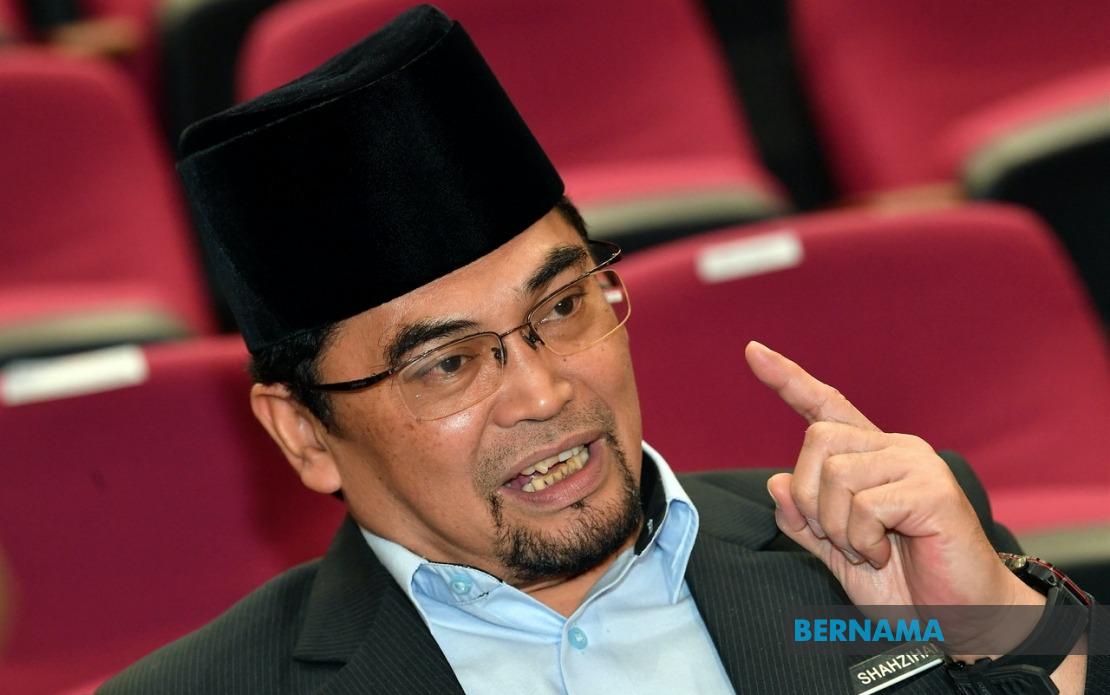
The Selangor Islamic Religious Department (JAIS) is moving decisively to strengthen institutional safeguards at religious schools across the state, responding to growing concerns about student protection and teacher conduct. JAIS director Datuk Mohd Shahzihan Ahmad outlined the department's multi-pronged approach during remarks made after concluding a state preparatory course for students heading to the Middle East, signalling that this initiative addresses a critical governance gap in how religious educational institutions manage their personnel and internal operations.
Central to the new framework is a proposal requiring all teachers in religious schools to undergo police clearance, a measure designed to screen out individuals with criminal histories before they gain access to student populations. Datuk Mohd Shahzihan acknowledged that the department is actively consulting with law enforcement to design a practical implementation system that balances thorough vetting with operational feasibility. This consultation phase reflects recognition that such screening mechanisms require coordination between multiple agencies and cannot be imposed unilaterally without establishing clear procedural pathways.
The initiative emerged from ongoing discussions between JAIS and the School Registration Committee, indicating that these safeguarding concerns transcend a single department and demand institutional alignment across the regulatory landscape. The involvement of the registration body suggests that improved oversight mechanisms may eventually become standardised requirements applicable to all religious schools seeking continued official recognition and permission to operate within Selangor.
Beyond personnel screening, JAIS is developing comprehensive behavioural guidelines that explicitly address the boundaries of appropriate student-teacher interaction. These guidelines will establish clear protocols about when, where, and under what circumstances staff members may engage with students. Datuk Mohd Shahzihan indicated that the framework will prohibit what he characterised as suspicious conduct patterns, including providing preferential treatment, arranging meetings outside normal hours, and conducting private Quranic memorisation sessions during periods when supervision is absent.
The emphasis on eliminating unsupervised contact addresses a fundamental vulnerability in institutional design. Religious schools, particularly those offering residential facilities or after-school religious programmes, often feature less structured environments than conventional academic institutions, potentially creating circumstances where isolated interactions between staff and students can occur without witnesses. By mandating supervision and prohibiting closed-door arrangements, JAIS seeks to eliminate the conditions that facilitate misconduct.
This proactive posture follows a specific incident that triggered government intervention. Authorities had previously referred a case involving alleged sexual assault by a religious school teacher against a student to police investigation, indicating that troubling behaviour had already manifested despite existing protocols. The incident likely catalysed the current comprehensive review, prompting systemic examination of how institutional culture and formal procedures either prevent or inadvertently enable abuse.
For Malaysia's religious education sector, these measures represent a significant shift toward adopting institutional accountability mechanisms more commonly associated with international safeguarding standards. The proposal to institute police clearance reflects adoption of practices standard in Western educational systems and increasingly expected by Malaysian parents concerned about child welfare. This alignment with global best practices may enhance the reputation of Selangor's religious schools internationally while reinforcing public confidence domestically.
The initiative carries implications beyond Selangor's borders. As Malaysia's most economically developed and administratively sophisticated state, JAIS's reforms could establish a precedent that other state Islamic religious departments might emulate or be pressured to adopt. A coordinated national approach to religious school safeguarding could eventually emerge if successful implementation in Selangor demonstrates feasibility and effectiveness.
Implementing these changes will require significant resource allocation and institutional capacity-building. Police forces must establish efficient clearance procedures capable of processing large numbers of applications without creating bottlenecks. Religious schools must undergo cultural shifts to normalise supervision requirements and oversight that some staff members might initially perceive as intrusive or distrustful. JAIS itself must develop training programmes to ensure consistent understanding and application of new interaction guidelines across diverse schools serving varied student demographics.
The timing of this initiative reflects broader societal conversations about child protection, institutional accountability, and transparency in Malaysia. Growing media coverage of abuse cases across various institutional settings—schools, religious institutions, care facilities—has elevated public awareness and parental vigilance. Parents increasingly expect detailed information about staff credentials and institutional safety measures before enrolling children, pressuring institutions to demonstrate robust preventive frameworks.
These enhanced procedures also address reputational concerns within Malaysia's Muslim community and internationally. Allegations of misconduct at religious institutions can damage public trust in Islam-based education and create perception that religious schools operate outside the accountability frameworks expected of secular institutions. By implementing international-standard safeguarding measures, JAIS demonstrates commitment to maintaining the integrity and trustworthiness of religious education as a legitimate social institution.
The department's multi-layered approach—combining personnel screening, supervision protocols, and explicit conduct guidelines—reflects understanding that preventing abuse requires simultaneous action across multiple institutional dimensions rather than reliance on single interventions. This comprehensive philosophy aligns with international child protection frameworks that emphasise environmental design and organisational culture as key prevention mechanisms alongside individual-level screening.
As implementation proceeds, effectiveness will depend on consistent enforcement and willingness of school leadership to prioritise safeguarding above operational convenience. The success of JAIS's initiative will likely determine whether other Malaysian authorities adopt similar approaches and whether religious education in the region becomes recognised as meeting contemporary international standards for institutional accountability and child protection.

