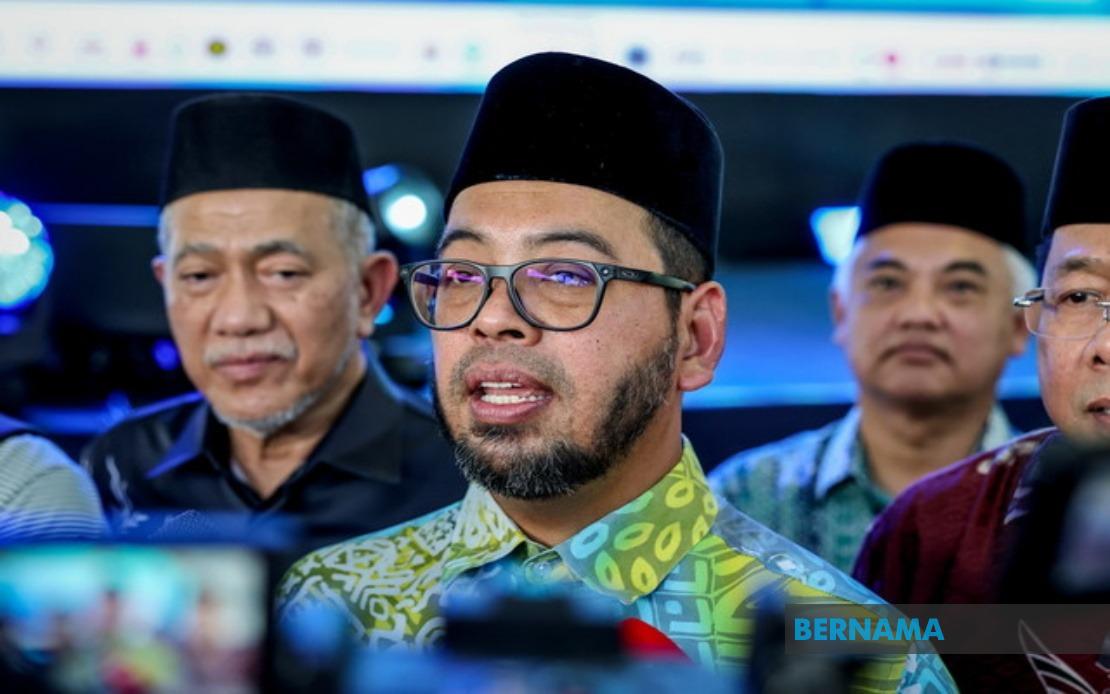
Malaysia's Department of Islamic Development (JAKIM) is moving to establish unified funeral management standards across the country, a response to mounting public concern over inconsistencies in how Muslim burial procedures are handled. Minister in the Prime Minister's Department (Religious Affairs) Dr Zulkifli Hasan announced the initiative during an event in Bukit Mertajam on July 5, signalling an effort to address operational gaps that have drawn widespread attention in recent months.
The move reflects growing recognition within Malaysia's Islamic bureaucracy that funeral practices require clearer, more consistent guidelines. While several states have independently developed their own protocols, JAKIM has identified the need for a more cohesive national framework. This approach acknowledges the reality of Malaysia's federal system, where Islamic affairs remain largely the responsibility of state governments, yet seeks to establish baseline standards that would apply across all states. The initiative takes into account both existing state enactments and modern operational demands, suggesting a pragmatic attempt to balance religious observance with administrative efficiency.
Dr Zulkifli indicated that the finalisation process is well underway, with completion expected in the near term. He noted that substantial groundwork already exists, with the refinement process focusing on enhancing and expanding provisions rather than starting from scratch. This phased approach suggests JAKIM recognises the complexity of implementing nationwide standards across a diverse country with distinct state-level regulatory structures. The minister emphasised that the guidelines will be completed expeditiously without compromising the requirement for compliance with individual state laws—a delicate balance given Malaysia's constitutional framework dividing religious authority between federal and state governments.
The timing of this initiative relates directly to a recent controversy in Selangor that drew significant public attention. An incident involving delays in the burial of a deceased person at Ukay Perdana Muslim Cemetery in Hulu Kelang sparked online discussion and raised questions about coordination between funeral management facilities, religious authorities, and families. The case highlighted potential friction points in the funeral process where unclear protocols or communication gaps could create distress for grieving families during vulnerable periods.
In response to the Selangor situation, the Selangor Islamic Religious Council (MAIS) initiated immediate intervention, bringing together the bereaved family, mosque management at Masjid Nurul Hidayah in Kampung Pandan Dalam, the funeral management operator Badan Kebajikan Salatulrahim (BKS), and the Selangor Islamic Religious Department (JAIS). This collaborative response demonstrated the multi-stakeholder nature of funeral management in Malaysia, where religious councils, mosques, private operators, and government departments must coordinate seamlessly. MAIS Chairman Datuk Salehuddin Saidin framed the intervention as an effort to develop lasting solutions while preventing recurrence of similar issues.
For Malaysian readers, the implications of standardised funeral guidelines extend beyond procedural matters. Funerals constitute profoundly important cultural and religious events where emotional stakes are highest. Any delays, miscommunications, or perceived disrespect can cause lasting distress to families already grieving. The standardisation effort therefore represents an attempt to ensure that bereaved Muslims receive consistent, dignified treatment regardless of which state they reside in or which funeral operator they engage. This uniformity could reduce confusion about what families should expect, what costs are appropriate, and what timelines should apply.
The initiative also addresses a gap in Malaysia's regulatory landscape that has become increasingly apparent as funeral management has shifted toward commercialisation. Where traditions historically involved community members and family networks, many funeral arrangements now involve private operators alongside religious authorities. Clear guidelines can establish expectations for all stakeholders—operators regarding their responsibilities and limitations, religious authorities regarding their role in oversight, and families regarding their rights and the process timeline. Such clarity serves the interests of legitimate operators while protecting consumers from exploitation during vulnerable moments.
SEAN Asia context is relevant here as well. Several neighbouring countries have grappled with similar issues as urbanisation and commercialisation have transformed funeral practices. Thailand, Indonesia, and Singapore have each developed their own approaches to standardising Islamic funeral procedures. Malaysia's effort to establish national guidelines positions it within a regional conversation about balancing religious authenticity with administrative clarity and consumer protection. Neighbouring countries may look to Malaysia's approach as a potential model.
The approach Dr Zulkifli described—working within existing state frameworks while establishing national standards—reflects pragmatism about Malaysia's constitutional reality. The Federal Constitution reserves Islamic matters primarily to states, making top-down federal mandates problematic. JAKIM's strategy of providing comprehensive reference guidelines that states can adopt or adapt respects this constitutional arrangement while still advancing standardisation. States retain authority to maintain more stringent standards if they wish, but would have access to a professional template developed by the central Islamic authority.
Implementation challenges remain. Achieving buy-in from all thirteen states and the federal territories requires sustained engagement. Private funeral operators, mosque committees, and religious department officials across the country will need training and education on new standards. However, the motivation is clear: preventing situations where families face unexplained delays, inconsistent information, or unclear processes during moments of profound grief. The economic implications matter too, as standardisation can improve efficiency across the funeral management sector.
Dr Zulkifli's call for all parties to remain calm and work collaboratively underscores the sensitivity surrounding funeral practices in Malaysian Muslim society. Religious observance, family dignity, and operational practicality must all be respected. The standardisation initiative represents an attempt to align these sometimes-competing interests through clear, comprehensive guidelines developed by authorities with both religious credentials and administrative responsibility. The success of this effort will largely depend on how thoroughly JAKIM consults with states, practitioners, and communities during the finalisation process.
The broader significance lies in JAKIM's recognition that religious practice in modern Malaysia requires systematic, transparent frameworks. Rather than relying on tradition and informal arrangements, contemporary funeral management demands clarity about procedures, timelines, responsibilities, and costs. By taking this initiative, JAKIM positions itself as responsive to public concerns while respecting the religious and constitutional dimensions of Islamic administration in Malaysia. How quickly these guidelines materialise, and whether they achieve genuine nationwide adoption, will indicate the effectiveness of JAKIM's coordination across Malaysia's plural system of state Islamic authorities.

