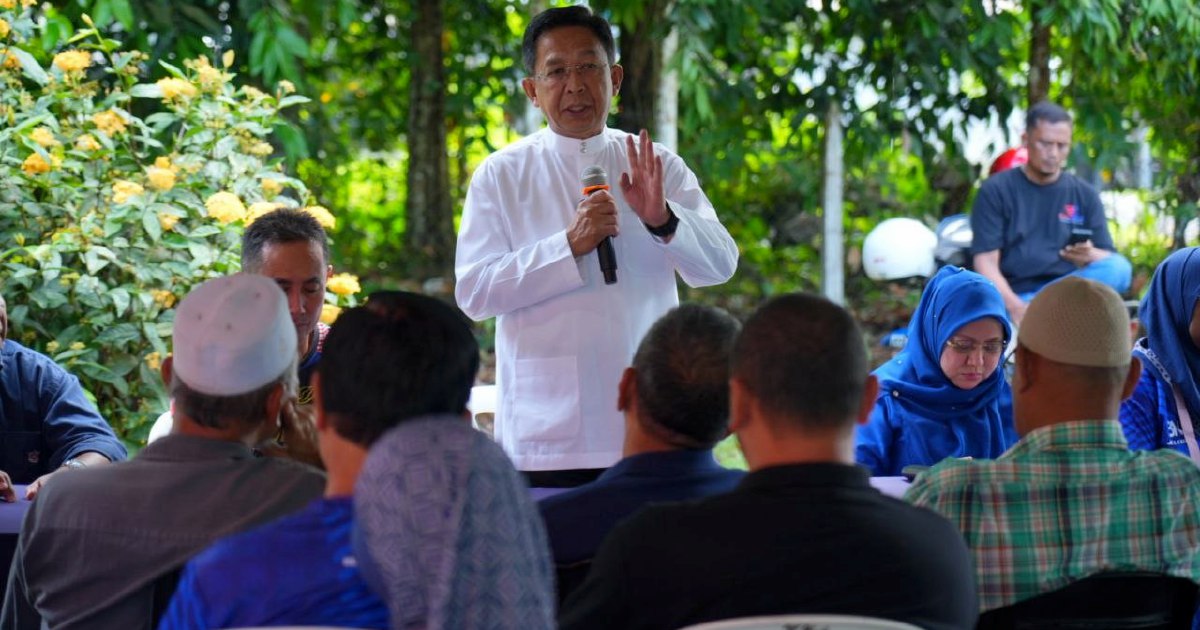
Negri Sembilan's political landscape is crystallising around Perikatan Nasional's strategic partnership with Barisan Nasional, with the coalition now publicly identifying its preferred candidates for the top state position. Negri Sembilan Umno chairman Datuk Seri Jalaluddin Alias has emerged as a prominent name under consideration for the menteri besar role should the PN-BN arrangement deliver victory in the August 1 state election, according to signals from the coalition.
The naming of Jalaluddin Alias reflects a calculated political move by Perikatan Nasional to telegraph stability and continuity ahead of polling day. By floating potential leadership candidates, the coalition appears intent on reassuring voters and party members about clear succession planning and an orderly transition should it secure the necessary seats. The decision to spotlight an Umno figure underscores the power-sharing arrangements between PN and BN, demonstrating that both major coalitional partners will have meaningful representation in the state administration.
Jalaluddin Alias brings considerable administrative experience to the table, having held the Negri Sembilan Umno chairmanship and accumulated influence within state-level party structures. His profile as a sitting party chairman suggests he carries backing from established party machinery and has demonstrated the organisational acumen required to manage Umno's presence across the state. The timing of his public positioning as a potential menteri besar candidate signals confidence within PN and BN circles about their electoral prospects.
The coalition's approach to naming potential chief ministers reflects broader tactical considerations in Malaysian state elections. By publicising candidates early, PN and BN aim to build voter familiarity with likely leaders and consolidate support among their respective party bases. This forward positioning also serves to counteract rival narratives from opposition coalitions, establishing a clear choice between competing visions for Negri Sembilan's governance.
Negri Sembilan occupies a significant position within Malaysia's political geography. The state has historically alternated between different political forces, making it a genuine battleground rather than a assured stronghold for either major coalition. An August 1 election would represent a concentrated moment for voters to determine not just the composition of the state assembly but also the ideological direction of the state government over the coming term. The stakes involve decisions on economic development, state revenue allocation, and implementation of federal policies at the local level.
The PN-BN understanding itself merits scrutiny regarding sustainability and internal coherence. These two coalitional entities have distinct historical trajectories and sometimes competing agendas. That they have reached a working arrangement for Negri Sembilan's election suggests both entities have calculated that cooperation benefits their respective electoral prospects more than competition would. However, such arrangements occasionally contain tensions regarding ministerial portfolios, resource allocation, and decision-making authority that only become apparent after electoral success.
For Jalaluddin Alias specifically, the menteri besar position would represent a significant career advancement and enhanced platform for political influence. The role carries responsibility for the state's development agenda, budgetary priorities, and day-to-day administration affecting some 1.1 million Negri Sembilan residents. A menteri besar commands considerable patronage resources and sets the tone for state governance, making the position one of Malaysia's more substantial sub-federal leadership roles outside of the larger states.
The August 1 election timing aligns with broader patterns of Malaysian state polling calendars. Several states have scheduled elections across 2023-2024, creating a sequence of electoral contests that collectively reshape the country's political configuration. Negri Sembilan's vote will contribute to this broader realignment and may influence momentum heading into subsequent state contests or eventually the federal parliament.
Opposition coalitions will undoubtedly contest the PN-BN narrative and present alternative candidates and visions for Negri Sembilan. The actual outcome depends on campaign effectiveness, voter sentiment regarding federal government performance, local issue prioritisation, and grassroots mobilisation by all competing forces. While PN-BN coalitional candidates benefit from established party structures and resources, Malaysian electoral history demonstrates that incumbency advantages are never absolute.
The emergence of Jalaluddin Alias as a potential menteri besar candidate also reflects calculations about religious and ethnic representation within state governance. Negri Sembilan's demographic composition and political culture influence expectations regarding leadership profiles, and the selection of any chief minister involves implicit messaging about inclusivity and representation. The coalition's public positioning of candidates serves multiple constituencies simultaneously—party loyalists, swing voters, and communities concerned about their political standing.
Looking ahead to August 1, both the PN-BN coalition and opposition parties will intensify their campaigns around these leadership figures and the contrasting agendas they represent. Voters will weigh not just individual candidates but the broader coalitional frameworks they embody. For Negri Sembilan, the election outcome will determine whether PN and BN maintain their collaborative momentum and implement their envisioned governance priorities, or whether opposition parties successfully convince voters to chart a different political course.

