A fatal road accident involving the son of Jana Sena Party MP Lingamaneni Ramesh has reignited questions about accountability and equal justice in Andhra Pradesh's criminal system. Lingamaneni Sanjush was granted station bail after an Aston Martin he allegedly drove struck and killed Bharati Mukhi, a 26-year-old employee at the Lifestyle store in Inorbit Mall, Hyderabad, on August 16. The collision occurred around 3 pm outside the prominent shopping complex in Madhapur, triggering investigations that have now drawn political fire from the opposition YSRCP, which accuses authorities of suppressing the case.
Bharati was in the process of returning to the mall with her colleague Pooja Ashok after collecting meals from a nearby restaurant when she was struck while crossing the road. Eyewitness accounts and police assertions indicate the vehicle was travelling at considerable speed in a rash and negligent manner. The impact caused severe head injuries, and she was rushed to Apollo Hospital in Jubilee Hills, where doctors pronounced her dead upon arrival. The tragic nature of the incident—a young woman's life cut short by a traffic accident—would ordinarily command significant public attention and media scrutiny in any Indian city.
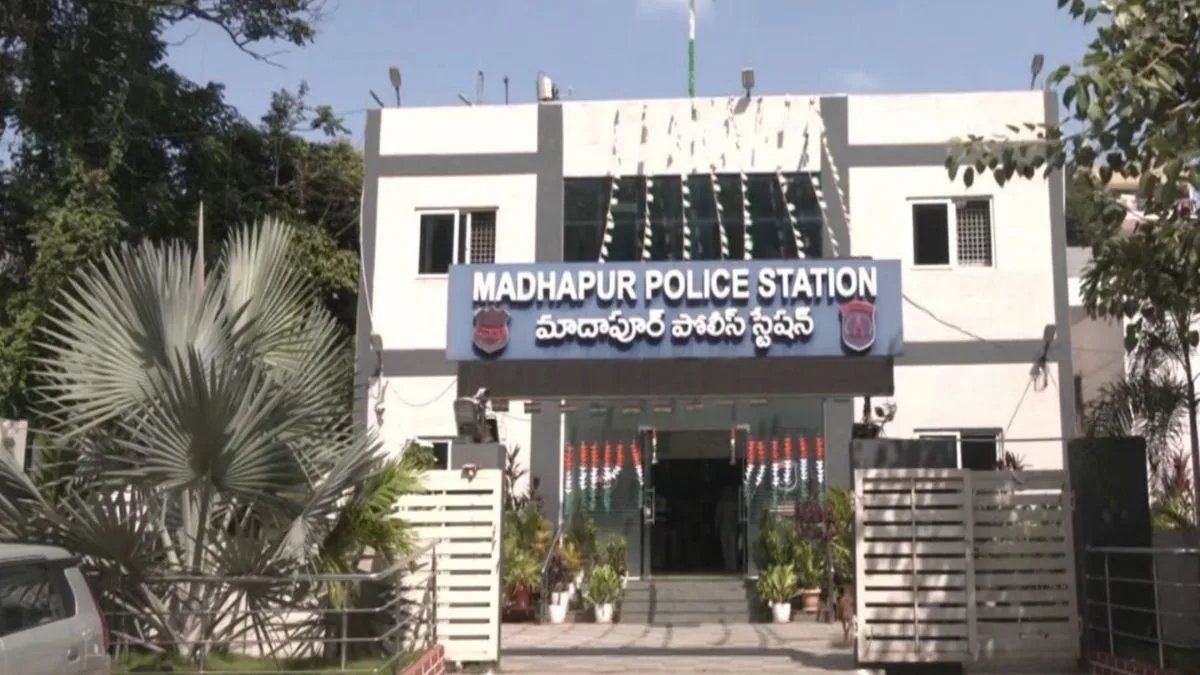
Police registered a formal case at Madhapur Police Station under Section 106(1) of the Bharatiya Nyaya Sanhita, which addresses causing death by negligence. Sanjush was apprehended on the same day of the incident after police identified him as the driver. Subsequent to his arrest, investigators conducted standard protocols including a drunk-driving test and drug screening. Blood samples were collected and forwarded to the Forensic Science Laboratory for toxicological examination, a routine procedure in vehicular accident cases. The seized vehicle itself was impounded to preserve evidence and facilitate technical analysis.
The granting of station bail to Sanjush marks a preliminary stage in the investigation, a procedural step that does not preclude further charges or prosecution as evidence accumulates. However, Sanjush was additionally served a notice under Section 35(3) of the Bharatiya Nagarik Suraksha Sanhita, indicating that investigation is proceeding and certain formalities remain to be completed. The Madhapur police official confirmed these developments, stating that the notice had been served and bail granted as part of the ongoing inquiry, with investigators still collecting post-mortem examination reports and other forensic material.
What transforms this tragedy into a political controversy is the five-day gap between the incident on August 16 and significant public or media discussion thereof. YSRCP national spokesperson Karthik Yellapragada seized upon this silence, alleging that the case had been deliberately suppressed or covered up. Yellapragada suggested that the relative quiet surrounding the case—unusual for a death involving a high-profile individual's family member—pointed to political coordination between state leadership. He specifically invoked the names of Chief Minister Revanth Reddy and Telugu Desam Party chief Chandrababu Naidu, implying an understanding between the two political entities that might explain preferential treatment.
Yellapragada's criticism extended beyond mere allegations of coverup. He questioned whether differential legal standards were being applied and demanded what he termed "immediate justice" for the deceased and her family. The opposition politician framed the case as emblematic of a larger problem: that political connections and party affiliations might determine how aggressively cases are pursued or how much publicity they receive. These accusations, while not substantiated by independently verifiable evidence in available materials, reflect a broader anxiety in Indian politics about the selective application of justice based on political considerations.
The incident occurs within the complex political landscape of Andhra Pradesh, where Jana Sena Party, led by Pawan Kalyan, has positioned itself as a regional player navigating alliances with larger national parties. Lingamaneni Ramesh's position as a Jana Sena MP invests the incident with political significance beyond its tragic personal dimensions. For the opposition YSRCP, which lost power in the 2024 elections, the case represents an opportunity to challenge the governing coalition's credibility on rule of law and democratic accountability.
From a broader Southeast Asian perspective, the incident highlights persistent challenges in road safety and vehicle regulation across the Indian subcontinent and similar developing economies. Fatal traffic accidents involving high-performance vehicles and young drivers, particularly those from privileged backgrounds, raise recurring questions about regulatory enforcement, licensing standards, and whether wealth and political connections influence investigation outcomes. Malaysia, with its own automotive culture and concerns about rash driving, recognises these issues as endemic to rapidly motorising societies where law enforcement capacity sometimes lags behind vehicle proliferation.
The case also illuminates the role of social media and opposition political mobilisation in contemporary Indian governance. In an earlier era, a fatal accident might have received less immediate political interpretation. Today, opposition parties can rapidly frame incidents through political lenses and amplify narratives suggesting differential justice. Whether or not Yellapragada's specific allegations of coverup between Revanth Reddy and Chandrababu Naidu are credible, the rhetorical strategy reflects how tragic accidents become entangled with political narratives in India's highly competitive multi-party system.
The investigation into Bharati's death remains ongoing, with police collecting forensic evidence and conducting technical examinations of the vehicle. The blood samples sent to the laboratory will be crucial in determining whether impairment played a role. The vehicle's data, if recoverable, might provide information about speed and braking patterns at the moment of impact. These technical details will be essential both for determining criminal liability and for vindicating or contradicting the opposition's allegations of inadequate investigative rigour.
Lingamaneni Sanjush's age—21 years old—introduces another dimension to the case, touching on questions about licensing for high-performance vehicles among young drivers. Whether his licence was appropriate for operating an Aston Martin, whether he had insurance in place, and whether regulatory gaps permitted him to drive such a powerful vehicle remain relevant investigative questions. These details matter not only for the immediate criminal case but for broader policy discussions about vehicle regulation and young driver safety.
The tragic death of Bharati Mukhi, whose family must now navigate the criminal justice system and the emotional devastation of her loss, underscores the human cost of road accidents. While political controversy swirls around the investigation's transparency and pace, her family seeks accountability and justice. The case will be closely watched by civil society organisations concerned with traffic safety, by opposition parties seeking to challenge the government's legitimacy, and by road safety advocates who see it as symptomatic of broader regulatory failures in vehicle management and driver oversight.

