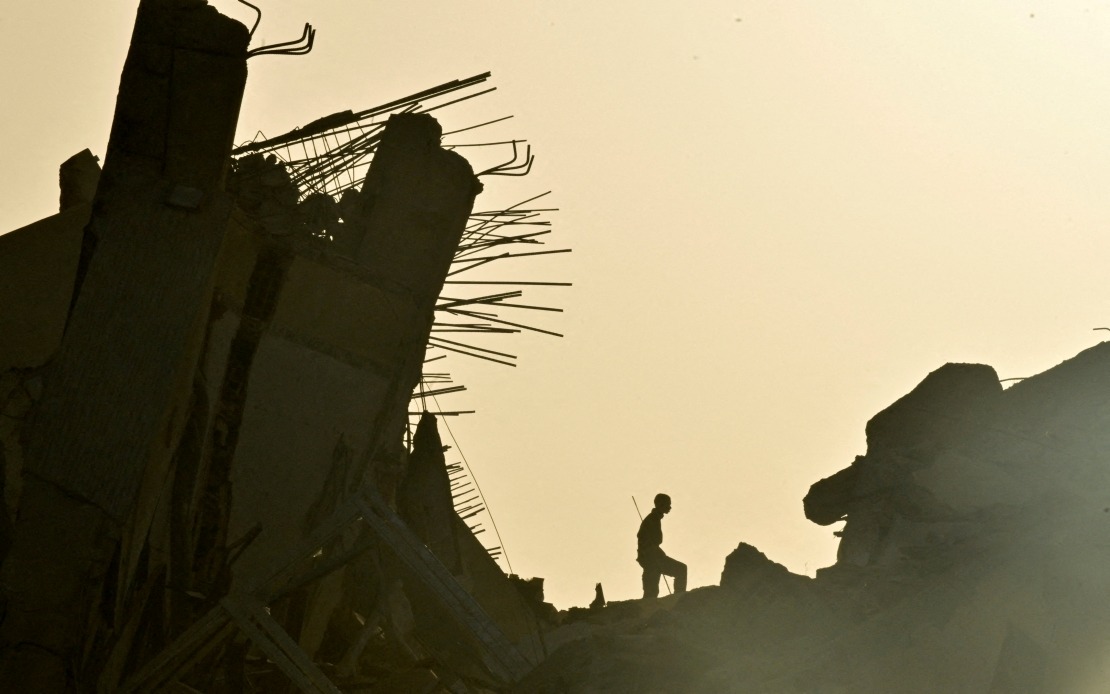
Japan has announced a substantial financial commitment to assist Venezuela's recovery efforts in the aftermath of catastrophic earthquakes that struck the country in late June. Foreign Minister Toshimitsu Motegi disclosed on Friday that Tokyo will provide US$3.5 million in emergency grant aid to support ongoing humanitarian operations across the disaster-affected regions. The announcement underscores Japan's continued engagement in international disaster response, even as it manages its own seismic vulnerabilities as a nation situated on multiple tectonic fault lines.
The Japanese government has structured its assistance to flow through established international organizations and humanitarian channels, ensuring funds reach populations most in need of immediate support. According to Motegi's statement, the resources will be directed toward procuring essential supplies including foodstuffs, medical equipment and personnel, emergency accommodation facilities, and other critical resources necessary for survival and basic dignity in the immediate aftermath of natural disaster. This targeted approach reflects Japan's experience in disaster relief operations and its understanding of how aid mechanisms function most effectively in emergency contexts.
Beyond financial support, Japan has committed to deploying a second specialized disaster relief medical team to Venezuela. This escalation of personnel-based assistance indicates Tokyo's assessment that ongoing medical needs in affected communities exceed what existing resources can address. The deployment follows an initial medical team that was sent earlier in the relief operation, demonstrating a phased but sustained commitment to meeting Venezuela's evolving humanitarian requirements. Such medical expertise proves particularly vital in the weeks following major earthquakes, when injuries requiring specialized care and communicable diseases threaten vulnerable populations lacking normal sanitation and healthcare infrastructure.
The scale of the disaster that prompted this international response was severe. The June 24 earthquakes claimed more than 3,000 lives, representing a catastrophic loss of life and creating widespread displacement, injury, and trauma across Venezuelan society. These figures underscore the magnitude of the reconstruction challenge ahead and justify the international community's mobilization of resources. For regional observers, the disaster serves as a stark reminder of the environmental hazards facing countries along the Pacific Ring of Fire and the Caribbean seismic zone, regions where Japan's own experience managing earthquake preparedness and recovery holds potential relevance.
Japan's engagement with Venezuela's crisis reflects broader patterns in Tokyo's diplomatic strategy. Rather than limiting assistance to immediate governmental relations, Japan has positioned itself as a reliable partner in humanitarian emergencies regardless of bilateral political circumstances. This approach has characterized Japanese foreign aid policy for decades, establishing Tokyo as a consistent contributor to international relief mechanisms. For Malaysia and other Southeast Asian nations, Japan's example illustrates how even economically pressured governments can maintain meaningful humanitarian commitments through carefully structured aid partnerships and targeted deployment of specialized expertise.
The timing of successive assistance announcements—initial relief supplies on June 30, first medical team deployment on July 1, and now financial commitment with second team deployment on July 10—reveals a deliberate escalation strategy. Rather than attempting to deliver comprehensive assistance immediately, Japan has assessed emerging needs and calibrated responses accordingly. This measured approach, sometimes called adaptive humanitarianism, allows donor nations to deploy resources where they will have maximum impact while monitoring whether initial interventions prove sufficient or require reinforcement.
Motegi's explicit commitment that Japan will persist in supporting Venezuelan communities as needs evolve suggests this relief operation should not be viewed as a discrete event but rather as the beginning of potentially extended engagement. Recovery from major earthquakes typically requires sustained assistance over months or years, encompassing not only immediate rescue and medical response but also reconstruction financing, infrastructure restoration, and psychological support for traumatized populations. Japan's statement of ongoing commitment positions Tokyo to participate meaningfully in these longer-term phases.
The coordination mechanisms highlighted by Motegi—collaboration with international organizations and humanitarian partners—merit particular attention from regional policymakers. Japanese assistance channeled through established international frameworks increases accountability, reduces duplication of effort, and ensures compatibility with other donors' initiatives. This multilateral approach stands in contrast to bilateral assistance that might serve narrower geopolitical objectives. For ASEAN nations considering how to structure their own international aid programs, Japan's emphasis on working through international organizations offers a model balancing generosity with pragmatism.
Venezuela's reconstruction needs are compounded by the country's existing economic and political challenges prior to the earthquake disaster. The additional strain imposed by the earthquake and its immediate consequences will complicate governmental capacity to respond effectively without substantial external support. Japan's willingness to contribute financial resources and specialized personnel during a period when Venezuela faces multiple simultaneous crises demonstrates how international humanitarian cooperation can provide essential stabilization during periods of national vulnerability.
The deployment of medical teams carrying Japanese expertise in trauma care, epidemiology, and post-disaster health management represents a form of assistance that cash transfers alone cannot replicate. Venezuelan medical professionals and facilities, already strained by broader societal challenges, will benefit from supplementary capacity provided by experienced Japanese personnel. This human dimension of aid, often overlooked in discussions focused on monetary figures, frequently proves decisive in determining outcomes for individual survivors and communities navigating the immediate aftermath of catastrophic events.
For observers monitoring Japan's international role and soft power projection, Venezuela relief represents an opportunity for Tokyo to reinforce its identity as a responsible global citizen. While media coverage of Japanese foreign aid receives limited attention compared to diplomatic disputes or trade negotiations, consistent and effective humanitarian response builds long-term goodwill and positions Japan favorably in international forums. This reputational benefit, though intangible, translates into increased influence and credibility when Japan advocates for positions on other international issues.
As Venezuela begins the complex process of mourning its losses and planning reconstruction, Japan's contribution joins efforts from numerous countries and international organizations mobilizing to prevent the humanitarian crisis from deepening. The US$3.5 million commitment, while substantial, represents merely one component of the total international response required to address a disaster of this magnitude. Nevertheless, Japan's participation demonstrates that even distant nations recognize obligations to assist when fellow members of the international community face catastrophic circumstances.

