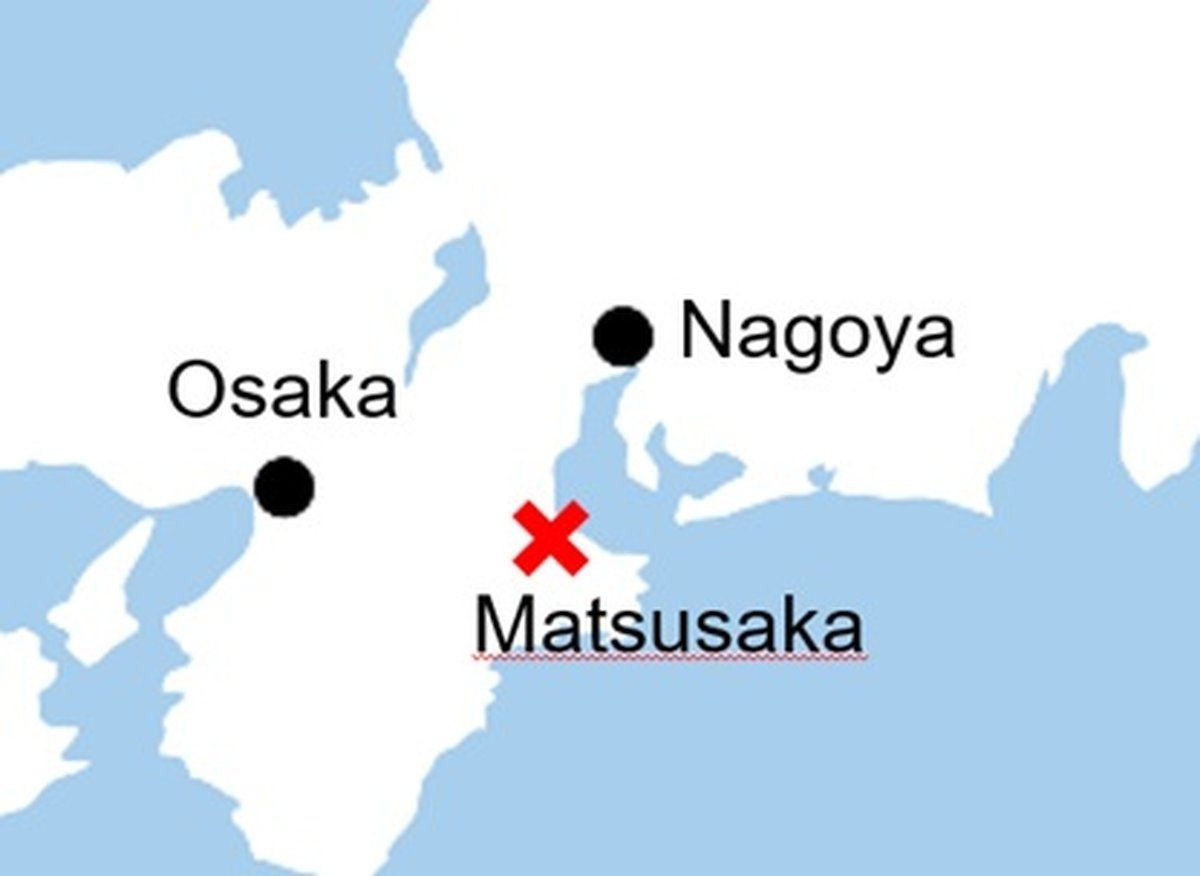
A 35-year-old resident of Matsusaka in Mie Prefecture, Japan, has been taken into custody following allegations that he placed his partner's five-year-old stepdaughter inside a garbage can and sealed the lid shut. The arrest on Thursday, June 18, comes after child welfare officials reported the incident to police on May 20, more than a week after the alleged confinement took place.
According to investigators, the man transported the young girl to the garbage receptacle at approximately 6.30pm on May 12 at his partner's residence in the prefecture. He allegedly deposited the child inside the bin and closed the lid, effectively trapping her in the confined space. The girl remained confined for roughly five minutes before being released. Remarkably, the child suffered no physical injuries during the ordeal, though the psychological impact of such treatment remains unclear.
The suspect has acknowledged the allegations and characterised his actions as a form of disciplinary measure. This rationale raises troubling questions about child discipline practices and the boundaries between acceptable punishment and abuse. In contemporary Japan, as in most developed nations, such confinement would be considered excessive and potentially constitutes illegal abuse rather than legitimate parenting or guardianship.
The discovery of the incident occurred indirectly when a child welfare centre became aware of the situation on May 20. The precise mechanism through which the centre learned of the confinement remains unclear from available reports, but the disclosure prompted immediate notification to local law enforcement. This intervention by child protection services demonstrates the crucial role such organisations play in identifying and responding to cases of child maltreatment that might otherwise remain hidden within domestic settings.
Beyond the five-year-old victim, authorities have also placed the girl's older sister into the protective custody of the child welfare centre. This action suggests concerns about the broader safety and wellbeing of all children in the household, indicating that the welfare agency deemed the home environment potentially unsafe for multiple minors. The decision to remove the older sibling reflects standard child protection protocols designed to prevent further harm and assess the overall family situation.
This case underscores persistent challenges in identifying and addressing child abuse within private residences, where incidents often go unreported and undetected. The month-long gap between the alleged incident on May 12 and its report to authorities on May 20 highlights how such abuse can remain concealed for extended periods. Malaysia and other Southeast Asian nations grapple with similar obstacles in child protection, where family privacy norms and limited reporting mechanisms can shield abusers from accountability.
The incident also raises questions about the cultural attitudes toward physical punishment and confinement as disciplinary tools. While corporal punishment in schools has been largely phased out across developed nations, some households continue to employ harsh physical and psychological methods to control children's behaviour. Japan's approach to child discipline has evolved significantly, with modern parenting guidance emphasising positive reinforcement over punitive measures, yet cases like this suggest that some individuals continue to employ dangerous practices.
For Malaysian readers and authorities, this case offers important lessons about the importance of robust child protection frameworks and public awareness campaigns. Malaysia has strengthened its child protection laws in recent years, but cases of hidden domestic abuse continue to surface. The role of accessible reporting mechanisms—whether through schools, healthcare providers, or community organisations—remains essential to ensuring that children can be identified and assisted before serious harm occurs.
The legal ramifications for the accused man will likely include charges related to child confinement and abuse, though specific charges have not yet been detailed in available reports. Japanese law provides protection for minors through provisions addressing unlawful confinement and child abuse, and prosecution is expected to proceed accordingly. The case demonstrates that even in highly developed nations with strong legal frameworks, vigilance and swift intervention by child welfare professionals remain critical to protecting vulnerable children from harm.

