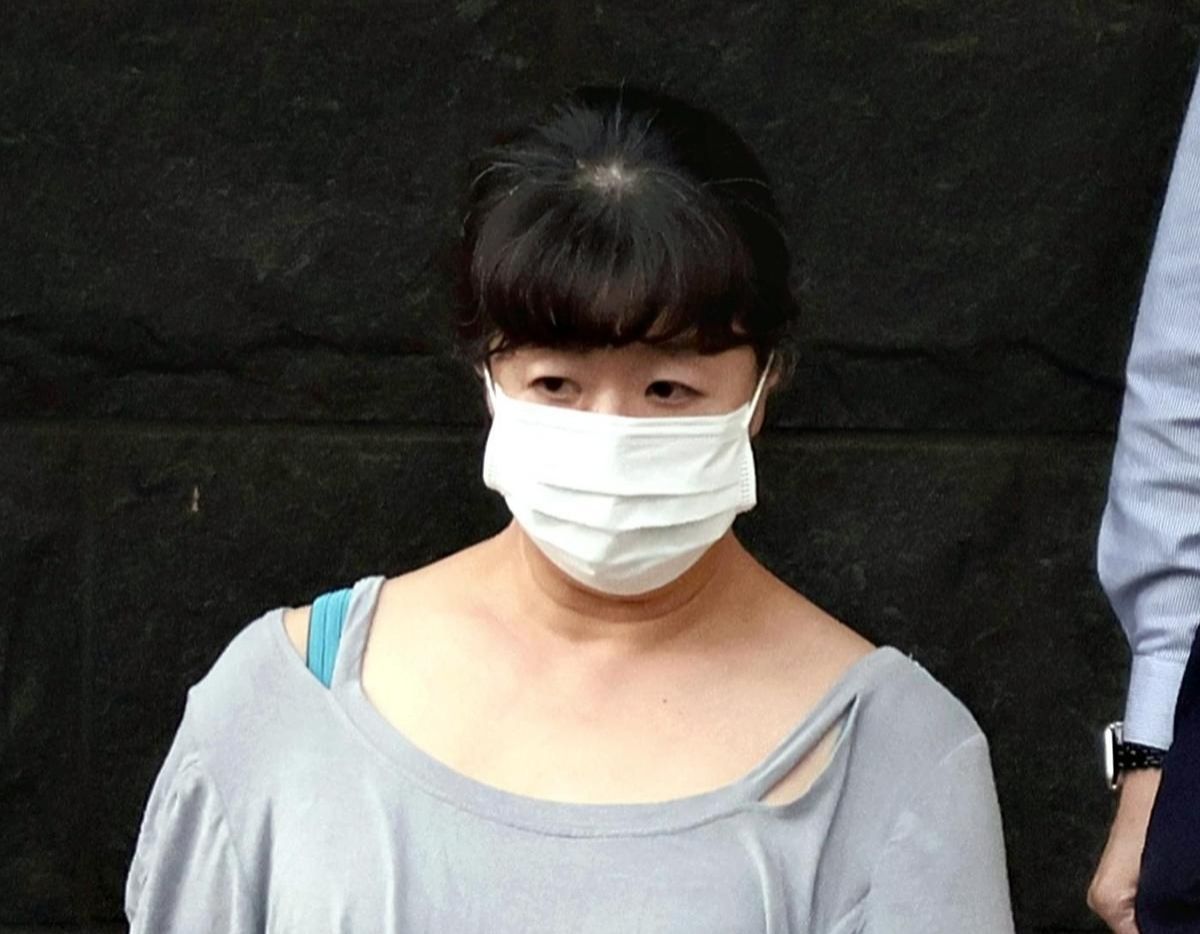
A 51-year-old midwife in Kashiwa, Chiba Prefecture, has been taken into custody on suspicion of deliberately contaminating a patient's medical equipment in what authorities characterise as a fatal act of harm. The incident, which unfolded at Kashiwa Tanaka Hospital in late January, has sent shockwaves through Japan's healthcare sector and raised uncomfortable questions about patient safety protocols within hospital settings.
Miyuki Furukawa stands accused of introducing faecal matter into the intravenous extension tube connected to a 75-year-old male patient on January 30 at approximately 3.55 in the morning. The contamination allegedly occurred while the man, a resident of Toride in neighbouring Ibaraki Prefecture, was under care at the facility. The patient's condition deteriorated severely in the hours that followed, and he was pronounced dead roughly 19 hours after the alleged tampering, around 10.30 in the evening on January 31.
The Chiba prefectural police have formally lodged murder charges against Furukawa, marking an escalation in what would otherwise be classified as a serious medical breach. Investigators are now methodically working through the circumstances surrounding this extraordinary case, attempting to establish Furukawa's motivations and determine whether similar incidents may have occurred previously. The deliberate nature of the alleged act—requiring knowledge of medical equipment, opportunity near the patient, and apparent intent to cause harm—distinguishes this case from typical healthcare negligence scenarios.
For Malaysian healthcare observers and policymakers, this case underscores the critical importance of maintaining rigorous access controls and monitoring systems within hospital environments. While East Asian nations generally maintain high standards of institutional care, this incident demonstrates that no healthcare system is immune to breach from within. The ease with which someone in a trusted medical role could allegedly access patient IV lines without detection raises pertinent questions about supervision protocols and real-time monitoring of vulnerable patients.
The specific method employed in this case is particularly alarming given its simplicity and the medical knowledge required to exploit it effectively. An IV extension tube represents a direct pathway to a patient's bloodstream, and introducing biological contaminants through this route would precipitate rapid systemic infection and organ failure. That such an act could allegedly occur within a hospital setting without immediate detection speaks to gaps in observation procedures during late-night hours when staffing levels are typically reduced.
This incident arrives against a backdrop of broader concerns about healthcare worker conduct and patient safeguarding in Asia. Hospitals across the region have invested substantially in technological solutions and staff training to prevent abuse, yet incidents involving trusted medical personnel remind administrators that technological measures must be paired with cultural change and genuine commitment to protecting vulnerable populations. The fact that a midwife—a professional trained to protect and nurture life during its most vulnerable moments—faces such accusations amplifies the psychological and institutional impact of this case.
The investigation into Furukawa's motives will likely dominate Japanese media coverage in coming weeks. Authorities must determine whether personal grievance, psychiatric illness, or other factors motivated the alleged act. Understanding the psychological and situational factors that may have led to this behaviour is essential not merely for judicial proceedings but for developing preventive strategies. Many healthcare institutions in developed nations have implemented mandatory mental health screening for staff with direct patient access, yet such measures remain inconsistently applied across Asia.
From a Malaysian perspective, this case carries instructive value for hospital administrators and health ministry officials reviewing their own security and oversight protocols. The vulnerability of patients during night shifts, when staffing is leaner and monitoring less intensive, requires particular attention. Many Southeast Asian hospitals operate in resource-constrained environments where additional security measures may seem burdensome, yet the catastrophic consequences of overlooking such vulnerabilities clearly justify investment in better systems.
The broader healthcare implications extend beyond individual patient safety to encompass institutional reputation and public confidence in medical facilities. A patient admitted to hospital expects protection from harm, with the implicit understanding that medical professionals will work exclusively for their wellbeing. Allegations of deliberate harm from healthcare workers strike at the foundational trust upon which medical practice rests, and Japanese authorities' swift response and formal charges indicate a determination to uphold that trust through decisive action.
As this investigation proceeds, hospitals throughout Japan and neighbouring countries will likely reassess their protocols regarding unsupervised access to patients and medical equipment. The incident serves as a sobering reminder that comprehensive patient protection requires multiple layers: technological monitoring, adequate staffing levels, clear accountability procedures, and a workplace culture that encourages reporting of suspicious behaviour. For Malaysian institutions, this Japanese case offers a compelling case study in how institutional vulnerabilities can be exploited and what preventive measures merit priority attention.

