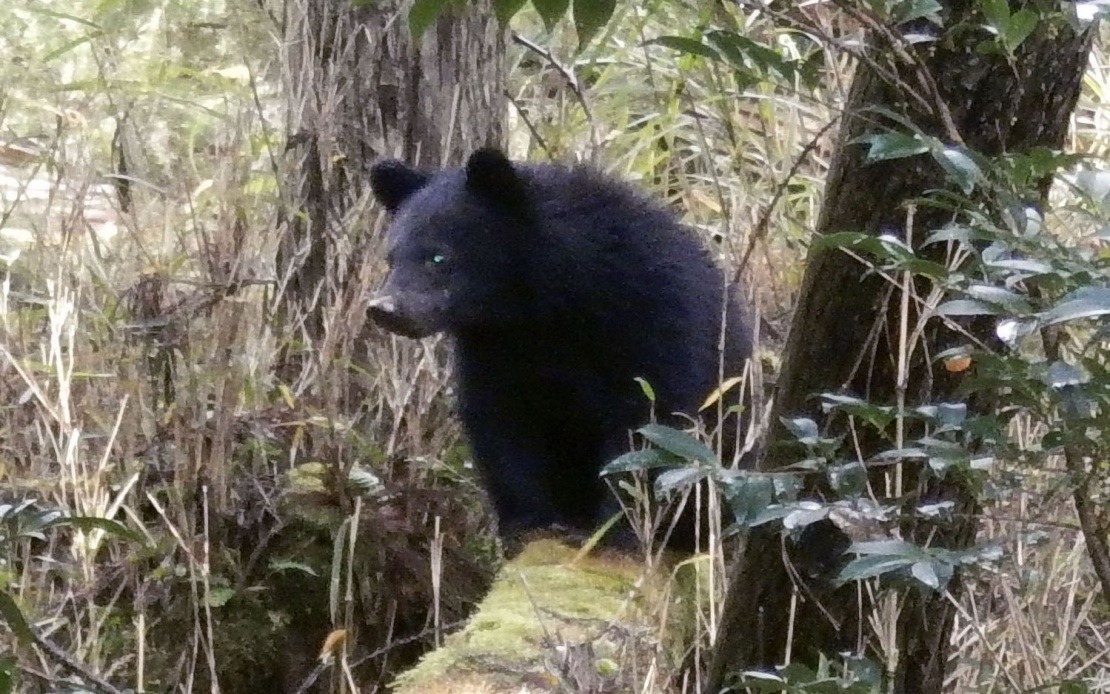
Japan's unprecedented spike in human-wildlife conflict is creating an unexpected crisis for local administrators. More than four in ten municipal governments responding to authorities have endured a barrage of aggressive complaints and exhausting communications from members of the public, according to findings released by the Ministry of Internal Affairs and Communications following a year-long inquiry. The scale of the problem has prompted several local authorities to seek guidance from the central government on how to manage the dual challenge of wildlife management and volatile public opinion.
The survey examined responses from 40 prefectural and municipal governments across the country. Of these, 17 authorities confirmed that the volume and intensity of bear-related complaints had materially disrupted their normal administrative functions. These disruptions ranged from overwhelming phone volumes to coordinated digital campaigns that consumed staff resources. The findings underscore how environmental crises can ripple outward, creating secondary administrative burdens that local authorities were never equipped to handle. Several municipalities explicitly requested that Tokyo develop standardised protocols for managing public engagement during wildlife emergencies, suggesting that this phenomenon extends beyond isolated incidents.
The nature of the complaints reveals deep public anxiety and polarisation around wildlife policy. Among the 17 affected authorities, ten reported receiving calls of extraordinary duration, with some conversations stretching beyond an hour as callers pressed their positions. An additional five municipalities were inundated with written complaints via email and web portals. The tone of these communications has often been confrontational, with some members of the public using inflammatory language such as "Don't you ever kill bears!" in messages to officials. In other instances, the same caller has repeatedly demanded to speak with the governor, suggesting a degree of coordinated pressure or obsessive engagement that extends beyond casual complaint.
The aftermath of wildlife management decisions has proved particularly volatile. When one municipality captured and subsequently released a bear, it faced a firestorm of contradictory online commentary. While some demanded the animal be killed immediately, others condemned any lethal intervention. This polarisation has placed frontline staff in an impossible position, defending decisions to an increasingly hostile public while lacking clear guidance on acceptable communication protocols. The emotional intensity surrounding these encounters reflects broader societal anxieties about the relationship between development, environmental conservation, and human safety in rural and suburban Japan.
One incident demonstrates the personal toll this has exacted on public servants. A local government employee responsible for managing bear-related issues was targeted by an activist advocating for wildlife protection. This individual photographed the employee without consent and subsequently posted the images online, effectively identifying and potentially exposing the worker to further harassment. Such actions blur the line between civic engagement and harassment, placing individual officials at personal risk for implementing policies established by elected representatives. This development has raised concerns about the safety and privacy of administrative staff involved in contentious policy areas.
The underlying driver of this administrative crisis is a dramatic escalation in bear encounters across Japan. Government data reveals that the nation recorded more than 50,000 bear encounters in the twelve months through March of this year, representing a record high and effectively doubling the frequency from the prior year. This explosion in incidents has created genuine public anxiety about personal safety, particularly in communities bordering forested areas. The surge reflects complex environmental changes, including habitat loss, food availability fluctuations, and possibly changing bear behaviour patterns in response to climate shifts and human encroachment.
The timing and scope of encounters have stretched response capacity to breaking point. Local governments, which typically manage wildlife issues through small dedicated teams, suddenly found themselves receiving hundreds of complaint communications from people across the country with varying perspectives on how bears should be handled. Some callers demanded aggressive culling to protect human life, while others advocated for relocation or protective measures that would allow bears to coexist with human populations. This ideological divide has made it virtually impossible for local officials to satisfy public opinion through any single policy approach.
A ministry official acknowledged the severity of the situation, stating that "measures are needed to reduce the burden on frontline staff." This recognition suggests that Tokyo recognises the sustainability problem created by the current arrangement. When local administrators spend hours daily managing complaints rather than developing thoughtful, evidence-based wildlife management strategies, public safety outcomes deteriorate. The ministry's acknowledgment also implies a shift in thinking about how Japan should frame wildlife management as a shared national responsibility rather than leaving local authorities exposed to unmediated public pressure.
For Southeast Asian countries facing similar wildlife management challenges, Japan's experience offers cautionary lessons about the importance of pre-establishing public communication frameworks before crises emerge. Nations with expanding urban areas encroaching on wildlife habitats, including Malaysia with its managing of human-elephant and human-tiger conflicts, can observe how inadequate communication infrastructure transforms a technical problem into an administrative emergency. The Japanese case demonstrates that clear, transparent guidelines about wildlife management decisions must be communicated before public anxiety reaches fever pitch.
The request from affected municipalities for central government response guidelines reflects a recognition that local authorities lack the political legitimacy or institutional capacity to navigate these conflicts alone. When decisions involve life-and-death choices about animals and potential human risk, public trust in the decision-making process becomes paramount. The absence of clear, nationally-endorsed protocols meant each local government faced public criticism essentially in isolation, unable to point to consistent standards or established procedures. This fragmentation likely intensified public frustration and contributed to the abusive tone of complaints.
Looking forward, the ministry's response will likely shape how Japan manages wildlife crises for years to come. Any national guidelines will need to balance ecological science, public safety considerations, animal welfare concerns, and legitimate democratic input. However, they must also establish boundaries around acceptable public engagement, protecting administrative staff from harassment while maintaining genuine opportunities for meaningful public participation. This balance remains elusive in most democratic nations grappling with polarising environmental issues.
The broader implication of this administrative crisis is that Japan's explosive bear encounter statistics represent only part of a larger story about strain on public institutions. As environmental pressures mount across the region, local governments may increasingly find themselves managing not only the direct impacts of climate change and habitat loss but also the secondary wave of public anxiety and conflict these changes generate. Without proper institutional preparation, similar crises may unfold in other policy domains, from water management to food security.

