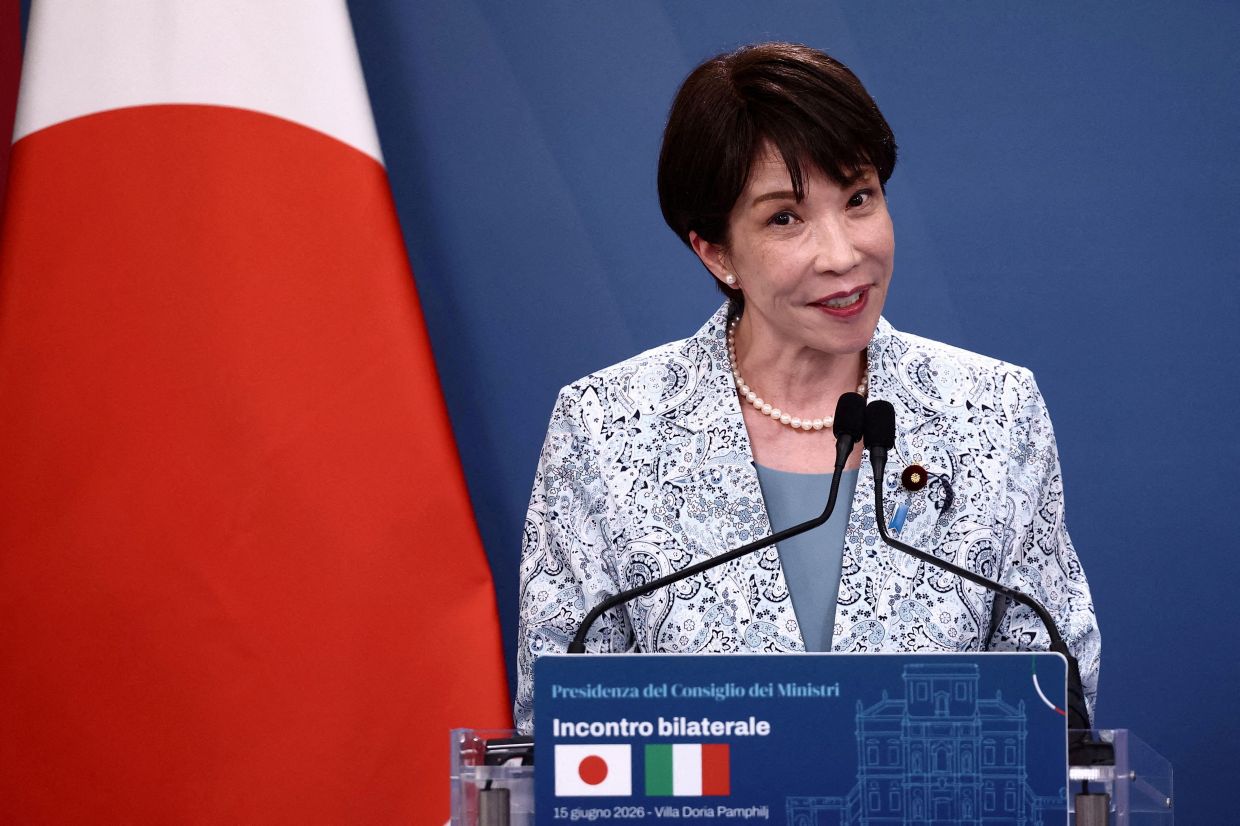
Japanese Prime Minister Sanae Takaichi's administration has crossed a significant political threshold, with cabinet approval slipping to 49 per cent in a Jiji Press survey published on Thursday, marking the first time her conservative government has fallen below the symbolic 50 per cent mark since she assumed office in October. The decline signals potential vulnerability for the nation's first female prime minister, despite her commanding electoral victory earlier this year and initial popularity across several demographic groups.
The polling data reveals a pronounced generational divide in public sentiment. Older voters have swung decidedly against the government, with support among those in their 60s plummeting from 63.7 per cent in June to just 39.9 per cent in the latest survey. This dramatic reversal among a traditionally important constituency suggests that economic concerns and policy disagreements are gaining traction even among demographic groups that typically form the backbone of conservative political support in Japan.
When asked about reasons for continued backing, respondents highlighted Takaichi's personal qualities and political style. Her supporters emphasise her leadership capabilities and trustworthiness, qualities that had previously distinguished her in a crowded political field. However, those expressing disapproval cite significantly different concerns, with the most frequent criticisms centring on a perception that "little can be expected" from her administration and dissatisfaction with specific policy initiatives. This gap between supporter sentiment and critic sentiment indicates a deepening polarisation around her governing approach.
Takaichi's trajectory from overwhelming electoral mandate to eroding support has been remarkably swift. In February, she capitalised on broad-based popularity to secure a decisive lower house victory, benefiting particularly from enthusiastic backing among younger voters who were attracted to her diplomatic acumen, approachable public persona, and representation of a generational shift in Japanese leadership. That victory appeared to solidify her political position and provide momentum for an ambitious policy agenda.
However, several developments have conspired to undermine the goodwill generated by that electoral success. Most significantly, Takaichi's November statement suggesting that Japan might be prepared to engage in military intervention should Taiwan face attack has generated considerable diplomatic friction, particularly with China, which maintains that the self-governed island is part of its territory. This provocative positioning has complicated Tokyo's delicate balancing act in managing relations with a major trading partner and regional power while maintaining alliance commitments to the United States.
Domestic political opposition has also intensified around Takaichi's legislative agenda. Earlier this month, nearly 150 Japanese academics submitted a formal petition to lawmakers expressing serious reservations about her government's push for legislation that would criminalise the desecration of Japan's national flag. The academic intervention underscores concerns within influential intellectual circles that the measure represents an overreach in state power and potentially threatens civil liberties, framing the issue as one with implications beyond symbolic patriotism.
The economic dimension of her political fortunes presents a more complex picture. Takaichi's administration has benefited from a notable deceleration in inflation during recent months, providing relief to households and businesses after an extended period of elevated price pressures. This development stands in marked contrast to the circumstances that led to the rapid political collapse of her two immediate predecessors, both of whom struggled with persistent inflationary dynamics that eroded public confidence and contributed to their relatively brief tenures.
For Malaysian observers, Takaichi's political difficulties carry regional significance. Japan's approach to Taiwan and its military posture are matters of considerable interest throughout Southeast Asia, where nations seek to maintain stable great power relations and avoid being drawn into escalating tensions. The domestic political pressures now constraining Takaichi may actually moderate her more assertive rhetoric, though her reduced political capital could also make her more dependent on nationalist constituencies that support harder-line positions.
The timing of this approval decline also reflects broader patterns in contemporary Japanese politics, where support for individual leaders has become increasingly volatile and responsive to specific policy announcements rather than reflecting deep ideological loyalty. As Japan navigates complex challenges ranging from demographic decline to regional security concerns, the narrowing political space for Takaichi suggests that building sustainable policy consensus may prove more difficult than her earlier electoral dominance implied. The next several months will determine whether she can rebuild support through policy adjustments or whether this downward trend signals a more fundamental erosion of her political standing.

