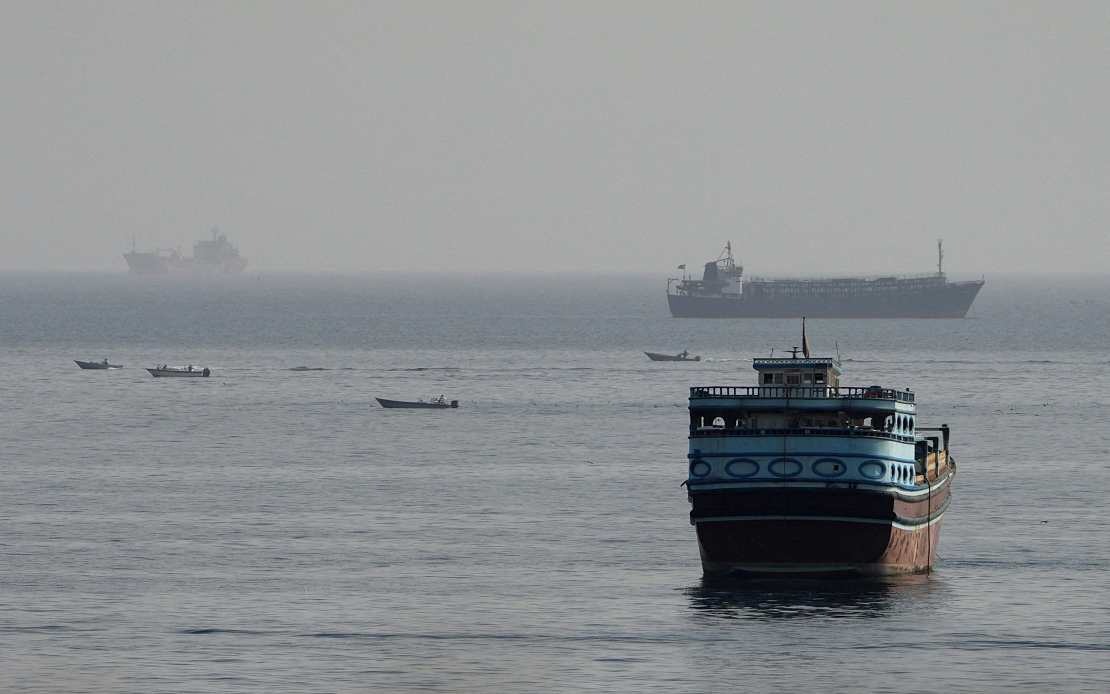
Japanese Prime Minister Sanae Takaichi has made an urgent appeal to Iran's leadership to refrain from imposing new fees on vessels transiting the Strait of Hormuz, a critical waterway that has effectively shut down as US-Iranian negotiations remain stalled. During telephone discussions with Iranian President Masoud Pezeshkian on Wednesday, Takaichi emphasized that the strategic chokepoint must remain accessible to international shipping without additional financial burdens, underscoring Japan's concern over mounting pressures on global energy flows.
The conversation between Tokyo's leader and Tehran represents a diplomatic balancing act reflecting Japan's complex position in Middle Eastern affairs. While maintaining its core alliance with the United States, Japan has historically cultivated pragmatic relations with Iran, a nuance evident in Takaichi's willingness to engage directly on sensitive regional matters. This phone call marked their first contact since June and their fourth exchange since the latest Israel-Iran military confrontation erupted in late February, indicating sustained Japanese diplomatic attention to the region's volatile dynamics.
Takaichi conveyed more than technical shipping concerns during the call. She explicitly communicated "deep concern" regarding the situation unfolding in the Bab el-Mandeb Strait, situated on the opposite side of the Arabian Peninsula, and specifically pressed Pezeshkian to use Iran's influence with Houthi rebels in Yemen to encourage maritime restraint. This dual-strait focus reflects a coordinated strategy targeting both immediate threats and underlying regional stability concerns.
The Houthi threat has assumed greater prominence following their July declaration of a "maritime blockade" ostensibly targeting Saudi Arabian vessels. More alarmingly, these Tehran-aligned rebels recently executed a deadly attack on a cargo ship traversing Bab el-Mandeb, underscoring that their stated intentions translate into genuine operational capability. This strait has transformed into an increasingly vital alternative conduit for crude oil transport precisely because the Strait of Hormuz remains functionally sealed off for many international operators.
For Malaysian readers and regional observers, this situation carries substantial implications. The Strait of Hormuz remains one of the world's most crucial maritime passages, with enormous quantities of global petroleum supply flowing through its narrow waters daily. Any disruption at Hormuz forces shipping to reroute through longer, more expensive passages—including those affecting Southeast Asia's maritime corridors. The emergence of simultaneous tensions across both major Arabian Peninsula chokepoints threatens to create cascading effects throughout global trade networks.
Japan's specific intervention reflects legitimate Japanese interests in maintaining unobstructed energy supplies. As an island nation heavily dependent on imported crude oil and liquefied natural gas, Tokyo faces direct economic exposure to Middle Eastern instability. Japan's pharmaceutical, automotive, and electronics industries all depend on reliable international shipping networks, making the stakes of Hormuz's closure genuinely existential for Japanese prosperity.
The underlying American-Iranian standoff complicates diplomatic efforts. With US-Iran negotiations effectively stalled, the risk calculus for all regional actors shifts unpredictably. Iran faces potential international isolation and economic pressure, incentivizing assertive posturing, while uncertainty about American commitment to diplomatic resolution encourages regional powers to hedge their bets militarily. Japan's phone diplomacy represents an attempt to establish communication channels that bypass Washington's direct confrontation with Tehran.
The Houthi dimension adds another layer of complexity. These rebels, provided sophisticated weaponry through Iranian support networks, have demonstrated capability to strike distant shipping targets with precision. Their July blockade declaration was not rhetorical posturing but a statement of operational intent subsequently validated by actual attacks. Yet their behavior also reflects broader Yemeni grievances and internal power struggles, suggesting the situation resists simple reduction to Iran-controlled proxy operations.
For Southeast Asian economies, particularly major shipping nations and energy importers, the implications warrant serious consideration. Malaysia, Singapore, and Vietnam all maintain substantial maritime trade exposure to the Middle East. Any sustained closure or fee imposition at Hormuz would increase freight costs, raise energy prices, and potentially disrupt supply chains spanning from petrochemicals to electronics. Regional governments must monitor these developments with acute attention to potential economic consequences.
Takaichi's diplomatic initiative represents a calculated effort to prevent escalation without directly confronting American policy preferences. By approaching Iran directly, Japan signals that it will pursue independent middle-power diplomacy when its vital interests face threats. This approach distinguishes Japan from purely client-state alignment, though it remains constrained by Tokyo's fundamental security commitment to Washington.
The fact that Iran accepted Takaichi's call and engaged substantively suggests some receptiveness to dialogue, though Tehran's actual behavioral response remains uncertain. Whether Iran will meaningfully constrain Houthi activities or refrain from imposing fees depends on larger strategic calculations about American intentions and regional balance of power that extend far beyond Japan's persuasive capacity.
As shipping seasons continue and energy demand intensifies, the dual-strait crisis remains unresolved. Japan's intervention highlights how Middle Eastern conflicts generate reverberating effects across global trade networks, affecting prosperity from Tokyo to Malaysia to worldwide supply chains. The coming weeks will reveal whether diplomatic pressure can prevent further deterioration or whether regional actors will continue escalating toward greater disruption of international commerce.

