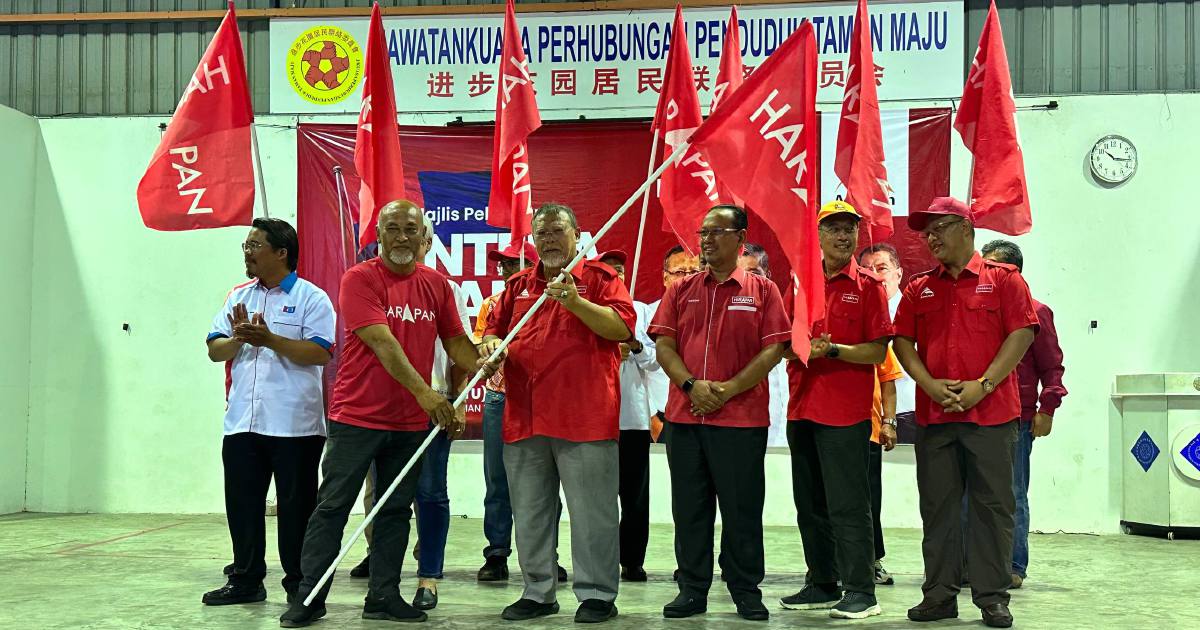
The Amanah faction in Johor is bracing for the upcoming state election with considerable confidence, having set a target of winning at least six seats from the ten constituencies it is fielding candidates in across the northern region. This declaration comes as the Johor political landscape undergoes significant shifts, with various coalitions positioning themselves for what promises to be a closely contested electoral battle on July 11.
Amanah's confidence reflects the party's assessment of ground support and organisational readiness in key constituencies within the northern zone. The party has been actively strengthening its grassroots networks and engaging with communities on issues that resonate with voters in these areas. By concentrating resources on ten specific seats, Amanah appears to have adopted a focused strategy rather than spreading its efforts too thinly across the wider state.
The northern zone of Johor has traditionally been a politically significant area, with demographics and socioeconomic conditions that shape voter preferences in distinctive ways compared to other regions. Amanah's targeting of six seats from ten contested represents a realistic yet ambitious goal, suggesting the party believes it can consolidate support in constituencies where it has either performed well previously or identifies strong potential for growth.
This electoral contest occurs within the broader context of Malaysian coalition politics, where Amanah's positioning within different alliances has evolved. The party's performance in Johor carries implications beyond the state level, as it may influence perceptions of Amanah's viability as a political force in other states and in potential federal-level reconfigurrations. Strong results in Johor could enhance the party's leverage in future political negotiations.
The July 11 election will test whether Amanah's ground assessment aligns with voter sentiment. Northern zone constituencies present a mix of urban, semi-urban, and rural characteristics, requiring tailored messaging and engagement strategies. The party's candidate selection and campaign positioning in these areas will be crucial in determining whether it achieves its six-seat target.
Competition in Johor's state election is expected to be intense, with multiple political entities vying for voter support. Amanah will face challenges from both established players and emerging political movements. The party's ability to differentiate its message and maintain campaign momentum through to July 11 will significantly influence its final tally.
For Malaysian voters following state-level politics, Amanah's performance in Johor offers insights into broader patterns of political realignment. The state has served as a testing ground for various coalition experiments and political strategies, making its electoral outcomes relevant to understanding the national political trajectory. Success in six seats would demonstrate tangible support for Amanah's agenda and approach to governance.
The northern zone specifically warrants attention as these seats collectively represent substantial population segments and economic interests. How Amanah performs here relative to its projections could indicate whether the party's internal polling and ground assessment methods are reliable, a factor that influences confidence in party leadership and strategic direction.
As the election date approaches, Amanah will likely intensify its campaign efforts in constituencies where internal data suggests the strongest prospects. The party's decision to publicise this six-seat target serves multiple purposes: it energises party members and supporters, signals confidence to the media and public, and establishes a benchmark against which performance will be evaluated. Missing this target substantially could raise questions about campaign effectiveness, while exceeding it would provide significant morale and momentum.
The Johor state election represents one of several upcoming electoral contests in Malaysia, and outcomes here will influence expectations and strategies in subsequent elections. Political analysts will scrutinise Amanah's performance in relation to its stated objectives, as this determines how effectively the party can translate organisational efforts into electoral gains. For Southeast Asian observers monitoring Malaysian politics, Amanah's trajectory in Johor provides another data point on the region's evolving political dynamics and coalition structures.
Ultimately, July 11 will reveal whether Amanah's confidence in the northern zone is justified by the electorate's choices. The party's commitment to these ten constituencies suggests resource allocation decisions were made strategically, based on analysis of where support could be most effectively mobilised. The outcome will have ramifications for Amanah's positioning in Johor state politics and potentially influence its standing in broader Malaysian political calculations in the coming months.

