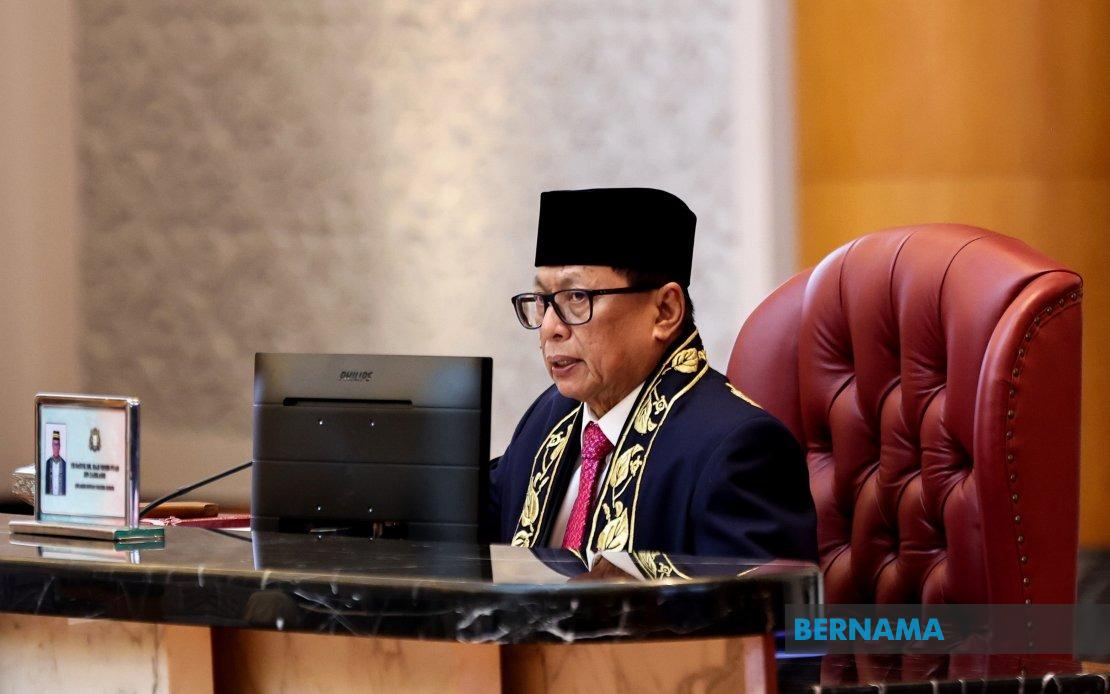
Datuk Dr Mohd Puad Zarkashi, the current Johor State Legislative Assembly speaker and incumbent assemblyman for Rengit, has formally announced his decision to withdraw from contesting in the upcoming state election scheduled for July 11. The announcement marks a significant development in Johor's political landscape as the state prepares for polls that will determine the direction of its government for the next five years.
In a statement released via social media, Mohd Puad explained that age considerations formed the cornerstone of his decision to step aside. At 69 years old, the veteran politician recognised that remaining in elected office into his mid-seventies would not align with his personal principles about generational leadership. Should he contest and win, he would be 74 by the end of a full five-year term, a scenario he believes would be inappropriate given his views on allowing younger voices to shape the state's political future.
The former Rengit assemblyman had contemplated this move for an extended period, indicating that the decision was neither hasty nor recent. He privately communicated his intentions to UMNO president Datuk Seri Dr Ahmad Zahid Hamidi and Johor UMNO chairman Datuk Onn Hafiz Ghazi approximately two weeks prior to his public announcement, demonstrating a careful and measured approach to what many would consider a difficult choice after holding the seat for the past term.
Mohd Puad's withdrawal carries particular weight given his dual responsibilities as both a state assemblyman and the speaker of the Johor legislature, positions that typically command respect and significant influence within party circles. His decision to relinquish the Rengit seat effectively opens the path for the ruling coalition to field a new candidate in what has traditionally been viewed as a relatively safe seat for UMNO. In the 2022 Johor state election, Mohd Puad secured the seat with a majority of 1,920 votes, a margin that reflected reasonable but not overwhelming support from constituents.
Beyond his personal withdrawal, Mohd Puad took the opportunity to articulate his vision for the party's future direction. He advocated strongly that candidates aged 50 and below should be prioritised for state assembly nominations, effectively endorsing a broader generational refresh within UMNO's candidate slate. This position aligns with broader calls within Malaysian politics for younger representation and reflects an understanding that demographic change in the electorate demands responsive party renewal.
The outgoing assemblyman specifically endorsed Datuk Onn Hafiz Ghazi's leadership and called for the Johor UMNO chairman to be afforded the opportunity to assemble a younger team for the forthcoming election. This statement carries implicit approval of Onn Hafiz's direction for the party and the state, essentially positioning the leadership transition as a deliberate strategy rather than a forced necessity. Such endorsements matter in internal party dynamics, as they can influence how party members and grassroots supporters perceive leadership decisions.
Mohd Puad also outlined the qualities he believes should guide candidate selection processes moving forward. Beyond electoral appeal, he emphasised the importance of educational attainment, moral character, genuine commitment to the party's ideological struggle, and a clear understanding of Malaysia's national direction and challenges. These criteria suggest a concern that candidate selection should prioritise substance over mere popularity or factional loyalty, a consideration that may resonate with reform-minded party members seeking to improve governance standards.
In terms of practical matters, Mohd Puad indicated he would address several outstanding issues before the nomination deadline scheduled for June 27, leaving roughly ten days to resolve constituent concerns or transfer responsibilities. His commitment to concluding these matters demonstrates an intention to ensure smooth handover rather than abandoning the seat precipitously. This attention to administrative detail is notable, as it reflects professional responsibility toward both the constituency and the incoming candidate or office holder.
The Rengit assemblyman also expressed gratitude toward his constituents for their support throughout his tenure and acknowledged His Majesty Sultan Ibrahim, King of Malaysia for approving his appointment as Johor speaker. Such expressions of appreciation are customary in Malaysian political transitions but underline the formal and institutional framework within which state politics operates, reminding observers that elected positions ultimately derive legitimacy from the monarchy and the people.
Mohd Puad's decision will now require UMNO and the ruling Barisan Nasional coalition to identify a suitable successor capable of holding the Rengit seat. The party will need to balance his preference for younger candidates against the practical need to find someone with sufficient campaign experience and community standing to retain what remains a winnable seat. The nomination deadline of June 27 provides a defined timeline, though preparations typically begin well before official nomination periods commence.
For Malaysian observers, Mohd Puad's withdrawal exemplifies a relatively rare instance of voluntarily stepping aside based on age-related grounds, standing somewhat apart from the pattern of politicians holding office until electoral defeat or mandatory retirement forces the issue. His articulation of this reasoning may influence broader conversations about generational transitions within UMNO and other Malaysian political parties, particularly as senior leaders grapple with balancing experience with the need for renewal.
The Johor state election will proceed with nomination day on June 27 and polling on July 11, determining the composition of the state assembly and the direction of Johor's governance. Mohd Puad's departure from the Rengit contest represents one element of what will undoubtedly be a more comprehensive reshaping of the Johor UMNO candidate slate as the party positions itself for the electoral challenge ahead.