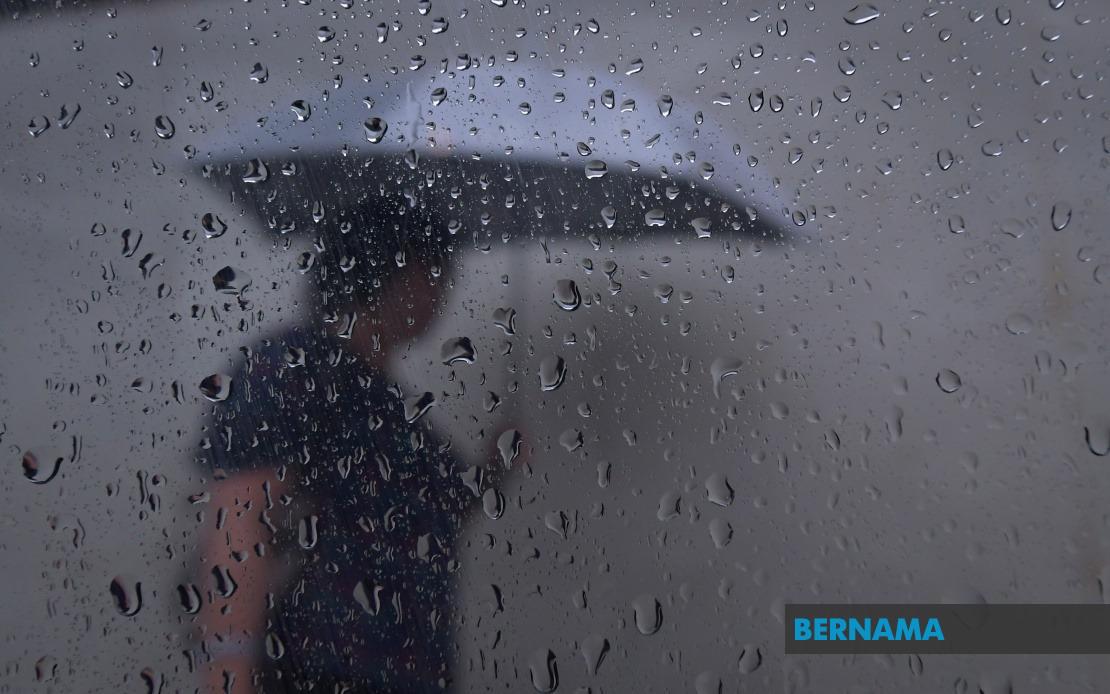
Early voters in Johor are being urged to cast their ballots during morning hours on July 7 as the state prepares for potentially disrupted weather conditions ahead of its 16th election this Saturday. The Johor Meteorological Department has issued a mixed forecast for the early voting day, predicting that precipitation will strike different parts of the state at different times, potentially affecting the smooth conduct of voting across the populous southwestern state.
Four districts face the greatest risk of morning disruptions, according to MetMalaysia director Azlai Ta'at, who identified Batu Pahat, Muar, Pontian, and Tangkak as areas likely to experience showers during the early morning hours when voting begins. These four districts, which span Johor's interior and western regions, sit in weather patterns that are expected to bring moisture-laden winds across the state's interior plateau and low-lying agricultural areas. Residents in these localities should prepare accordingly, with election officials anticipating that wet conditions may slow foot traffic to polling stations during the critical opening hours.
Meanwhile, a different set of six districts will enjoy clearer conditions during the morning period, providing more favourable circumstances for early voters to reach polling centres without weather-related obstacles. Johor Bahru, Segamat, Kluang, Kota Tinggi, Mersing, and Kulai are all forecast to experience fine and sunny weather in the morning, allowing voters in Malaysia's second-largest state capital and its surrounding urban areas to vote without precipitation concerns. These include both the densely populated areas around the state capital and the more rural eastern districts that stretch towards the border with Pahang.
However, the forecast takes a sharp turn for the worse as the day progresses. MetMalaysia predicts that afternoon thunderstorms will develop across all of Johor's districts, bringing heavy rainfall, lightning, and gusty winds to every corner of the state by midday or early afternoon. This deteriorating weather pattern reflects the onset of typical monsoon conditions that characterise the region during this season, when tropical air masses collide with local heating to generate convective storms. The timing of these afternoon thunderstorms means that voters who delay their participation until later in the day could face hazardous conditions.
Given these meteorological circumstances, election officials are taking the unusual step of publicly appealing to voters to participate as early as possible. Azlai's recommendation represents a coordinated effort between weather authorities and election management bodies to prevent afternoon storms from disrupting the voting process. The strategy acknowledges that bad weather, particularly afternoon thunderstorms with heavy rain and poor visibility, can substantially reduce voter turnout and strain the logistical capacity of polling stations to process long queues efficiently.
The early voting exercise itself is a significant undertaking, with 24,751 voters expected to participate across 64 early voting stations operating statewide from 8 am onwards. This cohort represents a cross-section of Johor's security and defence personnel, including 12,041 members of the Malaysian Armed Forces and their spouses, alongside 12,710 personnel from the Royal Malaysia Police and General Operations Force, along with their family members. These security sector voters require special polling arrangements because their operational duties prevent them from voting on the regular election day, necessitating the establishment of dedicated early voting infrastructure.
The staggered closing times at early voting centres, ranging from noon to 6 pm depending on location and registered voter numbers, reflect an attempt to balance the practical needs of security personnel with the challenges posed by afternoon weather. Centres in areas with larger early voter registrations may need to remain open longer to process all participants, while those with smaller security sector populations can close earlier and avoid the worst of the predicted afternoon storms. This flexibility in closing times provides some protection against the forecasted severe weather, though it also creates administrative complexity for election officials managing multiple sites.
The broader electoral context underscores why these operational details matter. Johor's 16th state election will engage nearly 2.73 million eligible voters casting ballots across 1,140 polling centres on Saturday. With 172 candidates competing for 56 state assembly seats, the election represents a significant political event for the peninsula's southernmost state and has implications for Malaysia's wider political landscape. Any disruption to voter participation, whether through weather or administrative challenges, could influence turnout patterns and ultimately affect the election outcome.
The weather forecast also highlights the logistical vulnerabilities that Malaysian elections face during monsoon and inter-monsoon seasons, when rainfall can be substantial and unpredictable. Election commissions across Southeast Asia have grappled with similar challenges, and Johor's approach—public alerts combined with flexible scheduling—represents a pragmatic adaptation to tropical climate realities. For Malaysian voters, particularly those in security roles who have limited flexibility in when they can vote, the weather outlook serves as a reminder to plan their participation carefully and avoid assumptions that conditions will remain favourable throughout the day.
For observers of Malaysian politics and electoral administration, this episode illustrates how technical and meteorological factors intersect with democratic processes. The early voting arrangement itself reflects Malaysia's commitment to ensuring that all eligible citizens, regardless of occupational demands, can participate in state elections. Yet the weather forecast reveals how natural conditions can create practical obstacles to that participation, requiring coordinated responses from government meteorologists, election officials, and voters themselves. As Johor enters its election season, the forecast encourages a broader reflection on how the country's electoral system adapts to and manages the constraints imposed by its tropical location and monsoon climate patterns.

