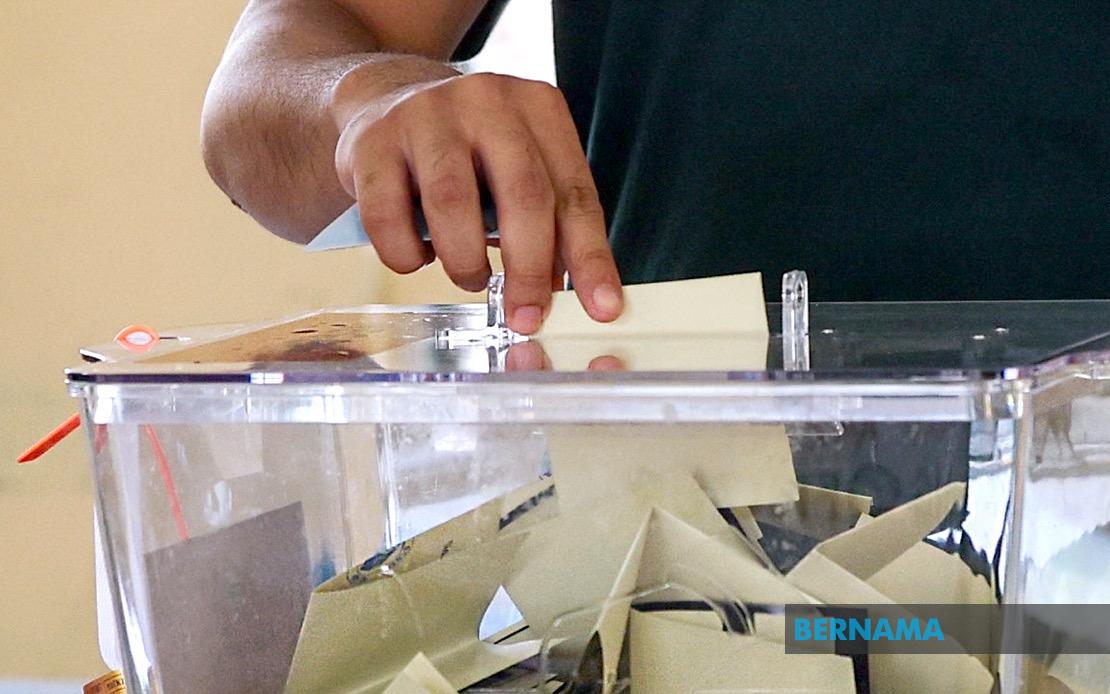
In a poignant reminder of the obstacles facing voters on election day, a 57-year-old man was prevented from voting in the 16th Johor state election after completing a gruelling 120-kilometre journey, only to arrive at his polling centre a mere sixty seconds too late. Rahmat Shukor, a self-employed contractor from Sri Medan in Batu Pahat, had driven non-stop to SJK (C) Foon Yew 4 in Johor Bahru with the intention of casting his ballot, but encountered catastrophic traffic delays that ultimately cost him his democratic right to vote.
The journey that began with promise descended into frustration when Rahmat encountered unprecedented congestion beginning at the Simpang Renggam Rest and Recreation Area and continuing through to Sedenak. Despite attempting to circumvent the worst of the traffic by exploring alternative routes along the Skudai road corridor, the delays accumulated inexorably. When he finally reached the polling centre, the gates had already shut and voting had officially concluded across all 1,076 polling stations throughout Johor at the statutory closing time of 6 pm.
Rahmat's predicament stemmed from a last-minute decision that morning. Originally intending to return to Johor Bahru the previous day, he had opted instead to remain overnight at his late mother's house in Sri Medan after exhaustion from his plantation and contract work made the immediate return journey untenable. This decision, made in good faith and born of physical fatigue, ultimately proved catastrophic for his voting prospects. The timing of his departure that election morning, combined with the unprecedented traffic conditions, created a perfect storm of circumstances that left him stranded outside the democratic process.
When speaking to reporters outside the polling centre, Rahmat conveyed both his sadness and his meticulous documentation of the situation. He had gathered photographic evidence of the traffic conditions and had informed officials of his predicament, demonstrating that he possessed tangible proof of the extraordinary circumstances that had delayed him. His frustration was compounded by the fact that every other member of his household had managed to vote successfully. His wife and remaining family members had returned to Johor Bahru earlier on Friday and completed their voting without incident, making Rahmat the sole family member unable to participate in the electoral exercise.
The specificity of Rahmat's situation illuminates broader questions about electoral accessibility in Malaysia's federal structure. While election authorities maintain strict adherence to closing times to ensure procedural integrity and prevent allegations of irregularities, such rigid enforcement occasionally produces genuinely sympathetic cases where external factors beyond an individual's reasonable control prevent participation. The traffic conditions Rahmat encountered were described as unusually severe, suggesting they exceeded normal weekend congestion patterns.
Despite the acute disappointment of being unable to fulfil his civic duty, Rahmat demonstrated considerable grace in accepting the outcome. He expressed his hope that the democratic process would continue smoothly despite his personal setback, suggesting a commitment to the electoral system even in the face of his own exclusion from it. This philosophical acceptance, while admirable, does not diminish the underlying issue of whether Malaysia's election administration could benefit from flexibility mechanisms for voters facing genuine emergencies or extraordinary delays.
The 16th Johor state election concluded as scheduled with all polling centres shutting their doors promptly at the designated hour. The strict punctuality of closing times, while necessary for maintaining the integrity and credibility of electoral processes, occasionally produces outcomes that test the resilience of voters and their faith in democratic participation. Rahmat's 240-kilometre round trip, undertaken with the intention of exercising a fundamental democratic right, ultimately yielded nothing but disappointment and the bitter knowledge that he had come tantalizingly close to his objective.
This incident raises pertinent considerations for electoral authorities regarding traffic management on election days, particularly in states like Johor where voters often travel considerable distances from outlying areas to urban polling centres. The concentration of population in certain areas, combined with limited transportation infrastructure connecting smaller towns to major population centres, means that voters from rural and semi-rural locations face inherent disadvantages compared to urban dwellers. Rahmat's experience suggests that more sophisticated traffic prediction and management strategies might be warranted, particularly during major electoral events when traffic volumes surge unexpectedly.
Moreover, the case highlights the distinction between procedural rigidity and democratic principle. While electoral authorities must maintain strict timekeeping to preserve the sanctity of voting procedures, instances such as Rahmat's raise questions about whether supplementary mechanisms—such as allowing voters caught in documented traffic delays to cast ballots after official closing times—might strengthen rather than undermine electoral credibility. Many democracies have grappled with this tension, though Malaysia's current framework prioritizes procedural adherence over individual circumstance.

