A high-profile election dialogue in Johor will move forward this week without the state's top political leader, marking a notable absence in what has been positioned as a key forum for electoral debate. The Johor State Election Dialogue is slated for Tuesday, July 7, at the RTM Auditorium in the Johor Broadcasting Department headquarters, with organisers confirming the event will commence at 8 pm as planned. The decision to proceed reflects the commitment of broadcast partners RTM, Astro AWANI and Sinar Harian to deliver a structured platform for political discourse, even as Menteri Besar Datuk Onn Hafiz Ghazi remains unable to participate due to competing official obligations.
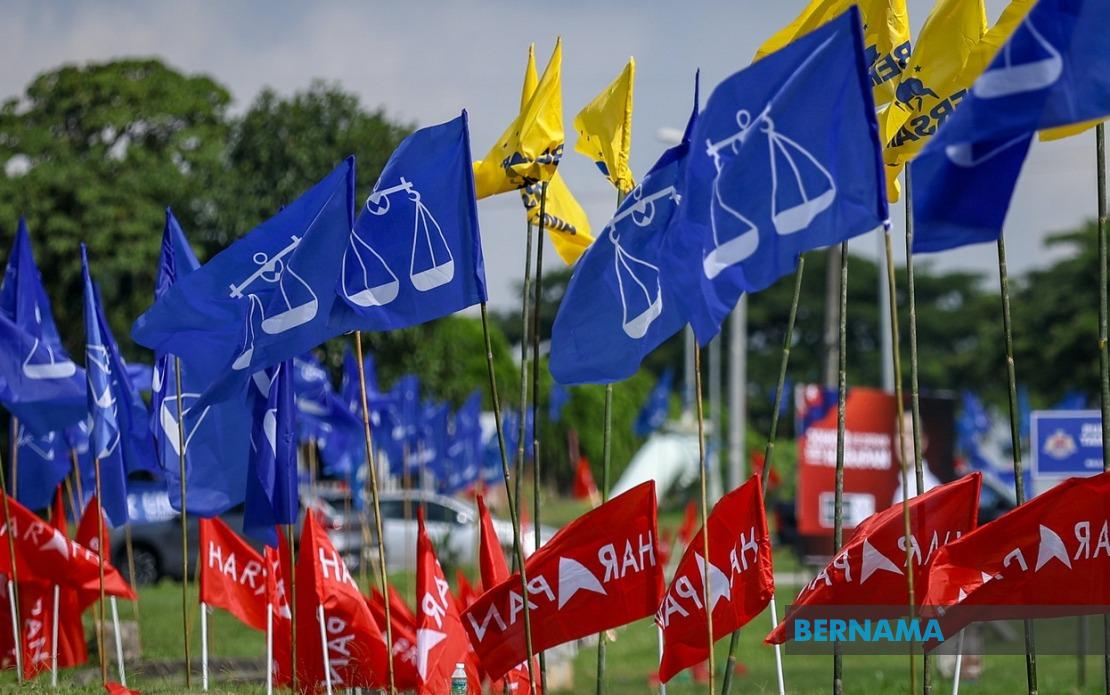
The dialogue initiative carries particular significance within the context of Johor's electoral calendar, as voters prepare for polling that will reshape the state assembly. The 16th Johor State Election has drawn considerable attention across Malaysia, given the state's economic importance and its role as a politically influential region. With 172 candidates vying for 56 seats across the state, the election represents one of the more closely watched contests in recent memory, and the media-organised dialogue was intended to give voters direct exposure to the competing visions of major political figures.
Communications Minister Datuk Fahmi Fadzil is confirmed to attend the forum, bringing the federal government's perspective to proceedings. Alongside him will be Dr Maszlee Malik, the Pakatan Harapan candidate contesting the Puteri Wangsa state seat. Their participation underscores the two-sided nature of the dialogue format, which has been designed to offer audiences a balanced examination of policy positions and electoral priorities. The one-hour format is intended to allow both participants adequate opportunity to articulate their respective visions for the state's future, including detailed discussion of governance plans, policy directions and approaches to addressing voter concerns.
Arrangements for the event encompass a substantial audience, with invitations extended to approximately 200 participants representing diverse government departments, statutory agencies and community-based organisations linked to the MADANI Communities initiative. This breadth of attendance reflects organisers' intent to create an inclusive forum that captures perspectives from across Johor's public and civil society landscape. The formal invitations issued by the Johor Information Department suggest careful planning to ensure representative participation and institutional engagement with the electoral process.
Onn Hafiz's non-attendance, confirmed through his office, nonetheless raises questions about the dynamics surrounding this particular election cycle in Johor. The Menteri Besar's absence deprives the dialogue of input from the state government's chief executive, potentially altering the substantive thrust of political exchanges. His office offered minimal elaboration, with an aide simply noting that the Menteri Besar was not included in the programme schedule. This brief statement contrasts with the more extensive commitments made by opposition and federal representatives, suggesting that state government priorities lay elsewhere during this critical pre-election week.
The timing of the dialogue falls within an intensified electoral period. Early voting is set for July 7, the same day as the dialogue, while general polling occurs four days later on July 11. This compressed schedule means that voters are making electoral decisions even as organised forums for political engagement remain active. The dialogue, therefore, functions within a context where voter preferences are already crystallising, making its impact on undecided voters potentially limited but nevertheless valuable for those seeking comprehensive information about candidates' positions.
For Malaysian observers and particularly those in Johor, the event illustrates how broadcast media continue to play a mediating role in electoral contests, creating spaces where political messaging can be subjected to structured examination. The involvement of RTM, Astro AWANI and Sinar Harian reflects the commitment of Malaysia's major media organisations to facilitate informed democratic participation, notwithstanding the complex political environment within which they operate. Such dialogues have become standard features of Malaysian elections, offering alternatives to more adversarial campaign formats.
The absence of the Menteri Besar adds an unexpected dimension to what might otherwise be a routine pre-election media exercise. While his unavailability may be genuinely circumstantial, the optics of the state government's chief executive declining to participate in a major election dialogue invite speculation about engagement with the electoral process itself. Opposition candidates like Dr Maszlee have made themselves available, and federal government representation through Communications Minister Fahmi Fadzil signals readiness to engage voters on issues of national concern that intersect with state-level politics.
The dialogue's format, emphasising a balanced presentation of competing visions and policy approaches, reflects international best practices in electoral communication. By structuring the exchange around voter concerns and policy platforms rather than personal attacks or partisan rhetoric, organisers have created a framework that theoretically elevates substantive debate. Whether the absence of the sitting Menteri Besar will diminish the dialogue's utility as a voter information tool remains to be seen, though the participation of other senior figures should ensure that significant issues receive adequate treatment.
As Johor approaches its electoral moment, this dialogue represents one of several initiatives aimed at deepening voter engagement and understanding. The event will proceed with its stated participants and audience, delivering what organisers have framed as a fair and balanced forum. For voters seeking clarity on competing platforms and policy approaches, the July 7 dialogue offers one final opportunity for direct exposure to political leadership before casting their ballots. The Menteri Besar's non-attendance, while notable, does not diminish the substantive importance of the forum for those seeking to make informed electoral choices in this significant state election.

