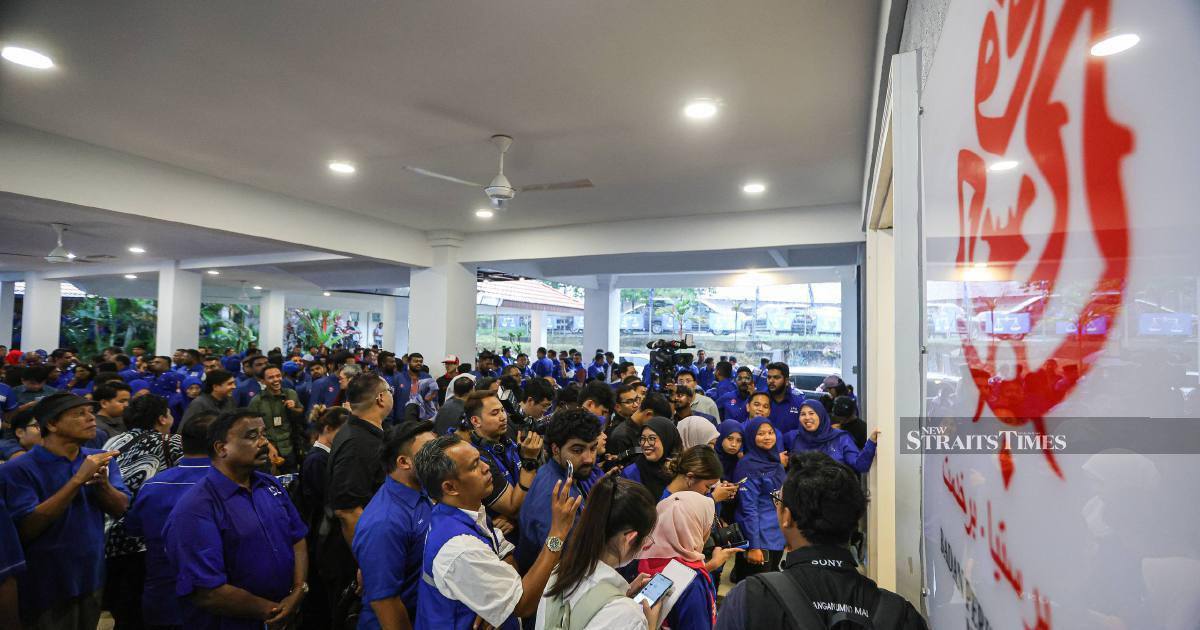
The Barisan Nasional coalition is moving into high gear for the Johor state election, with the party's central committee headquarter in Johor Baru becoming a focal point of political activity as senior figures and grassroots members gathered for the unveiling of the slate of candidates who will contest the 16th state assembly election. The convergence of party machinery reflected the significance attached to securing support in Malaysia's southern stronghold, where Barisan Nasional has traditionally maintained considerable influence.
The candidate announcement represents a critical juncture in the election cycle, determining which individuals will carry the coalition's banner into constituencies across the state. The selection process itself carries considerable weight within Malaysian politics, as it reflects internal party dynamics, leadership preferences, and strategic calculations about which personalities and profiles can best deliver votes in increasingly competitive electoral contests. The gathering at the Umno headquarters underscored how candidate selection remains a matter of intense party focus and public interest.
For the Barisan Nasional, the Johor contest holds particular strategic importance. The state has historically served as a crucial revenue generator for the coalition, with its 56 state seats representing a substantial bloc of electoral influence that contributes to national political positioning. Any erosion of support in the state would signal weakness heading into potential national parliamentary elections, making the candidate selection both a practical electoral matter and a symbolic statement about coalition strength.
The gathering of supporters and party members reflected grassroots energy, though it also highlighted divisions that sometimes characterise the selection process. Within major parties like Umno, competition for candidate slots can be intense, with several contenders often vying for the same nominations. The outcome of such contests carries consequences not only for individual political aspirants but also for factional alignments within the party structure that persist beyond any single election cycle.
Johor's electoral trajectory has undergone notable shifts in recent years. While Barisan Nasional maintains structural advantages in the state, changing voter demographics, urban-rural political realignments, and the evolution of opposition party strategies have made the political landscape less predictable than in previous decades. The candidates selected would need to navigate these shifting dynamics while mobilising traditional party support bases and appealing to swing voters in marginal constituencies.
The candidate announcement event served multiple purposes within the party calendar. Beyond the practical function of formally introducing the individuals who would contest the election, such gatherings reinforce party unity and organisational cohesion at a moment when internal alignment matters. They also provide an opportunity for senior leadership to project confidence and generate momentum ahead of the campaign period, with media coverage amplifying the message to broader audiences beyond those physically present.
For supporters gathering at the headquarters, the event offered a chance to demonstrate commitment to the coalition and potentially influence perceptions about party direction. The visible turnout and energy level at such events are carefully noted within political circles as barometers of organisational effectiveness and member enthusiasm, factors that subsequently influence strategic decisions about resource allocation and campaign intensity across different regions.
The 16th Johor state election carries significance within the broader Malaysian political context. State elections serve as important testing grounds for national coalitions, offering opportunities to assess the effectiveness of particular strategies, test campaign messaging, and gauge voter sentiment on key issues. Results in Johor could provide valuable intelligence about political trends affecting the peninsula more broadly, influencing calculations about the timing and strategy for national parliamentary elections.
As the coalition formally presented its candidates, attention would now shift to campaign dynamics, opposition responses, and the messaging strategies different parties would employ to persuade voters. The candidates selected would become the public face of Barisan Nasional's vision for the state's future, tasked with translating party platforms into constituency-level appeals that resonate with local concerns ranging from economic opportunities to infrastructure and services.
The Johor election represents a significant waypoint in Malaysian electoral politics, testing whether the Barisan Nasional coalition can maintain its traditional dominance or whether the state's voters will chart a different political course. The candidate selection process completed at the headquarters gathering would now face scrutiny from multiple directions—from opposition parties identifying vulnerabilities, from media analysing the selections' strategic implications, and from voters assessing whether the chosen candidates adequately represent their interests and values.

