Umno Youth's receptiveness to Pas's strategic voting proposal marks a significant development in Malaysia's fractious coalition politics, suggesting that the upcoming Johor state election could serve as a testing ground for coordinated action between the two rival political camps. The gesture from Pas—recommending that Perikatan Nasional supporters cast their votes for Barisan Nasional contenders in constituencies where PN is not fielding candidates—signals a pragmatic willingness to avoid vote-splitting that would benefit neither alliance in the country's key southern state.
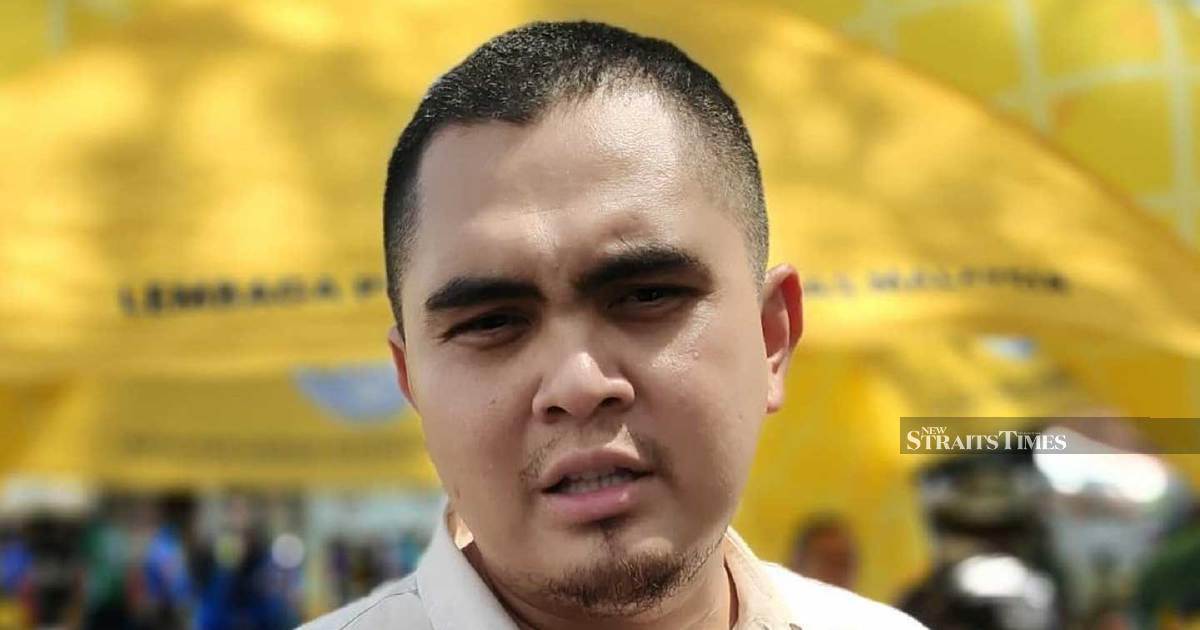
Youth Chief Akmal's warm reception of the proposal carries considerable weight within Umno's organisational structure, where young activists wield influence over grassroots sentiment and party direction. His endorsement suggests that internal party discussions have acknowledged the mathematical reality that a divided opposition vote typically benefits whichever camp can consolidate support more effectively. The Johor state, as a Umno and BN stronghold historically, represents territory where such coordination could yield tangible electoral advantages if implemented successfully.
The timing of this overture proves strategically significant given the broader realignment occurring within Malaysian politics. Following years of intense competition between BN and PN—particularly after the 2022 federal election reconfigured parliamentary coalitions—both blocs have begun exploring whether working relationships might yield better outcomes than perpetual antagonism. A successful coordinated voting pattern in Johor could establish a blueprint for future electoral cooperation without requiring formal alliance or merger negotiations that would prove politically sensitive for both parties' leadership.
Pas's initiative reflects the Islamist party's calculation that strategic cooperation serves its interests better than continued fragmentation. The party has increasingly sought to present itself as a pragmatic political force capable of putting nationalist and Islamic interests above factional rivalries. By proposing vote-sharing arrangements in seats where each coalition holds clear advantages, Pas positions itself as the architect of a potential realignment that could reshape federal politics beyond the state level.
For Umno, welcoming such proposals allows the party to signal confidence in its electoral machinery while maintaining strategic flexibility. The move demonstrates that Umno Youth recognises the party cannot take Johor's political dominance entirely for granted, particularly as younger voters and urbanised constituencies display less predictable voting patterns than in previous electoral cycles. Acceding to tactical voting coordination costs BN nothing while potentially maximising seat victories against weaker competition.
The Johor election thus assumes importance extending far beyond the state's 56 seats and local governance questions. The election functions as a political laboratory where opposing coalitions test whether narrow self-interest might occasionally yield to broader strategic objectives. Success in coordinating votes without formal alliance structures would suggest that Malaysian politics, despite its apparent rigidity and entrenched divisions, retains capacity for flexibility and pragmatic adjustment when circumstances demand.
Background context underscores why this moment carries weight for Malaysian political observers. Umno and Pas maintained complex relationships spanning decades of alliance-building and rupture, competition and cooperation. The Perikatan Nasional coalition, founded following the 2020 political upheaval, initially positioned itself as a BN alternative appealing to conservative and Islamist-leaning voters. However, years of governance at federal and state levels have complicated this narrative, with both coalitions claiming credit for development and criticising the other's mismanagement.
The proposal gains credibility because it operates on grounds of electoral efficiency rather than ideological compromise. Neither BN nor PN abandons core policy positions or organisational autonomy; both simply acknowledge that in contests where they lack realistic chances of victory, supporting each other's candidates denies seats to common opponents. This framework allows politically-sensitive negotiations to proceed without leaders appearing to betray their constituencies or shift fundamental alliances.
For Malaysian voters and analysts tracking coalition dynamics, the Johor election provides measurable data on whether such coordination actually occurs and whether it materialises into tangible seat gains. If vote-splitting declines and seat distribution favours parties whose supporters follow recommendations to switch votes strategically, the model becomes replicable elsewhere. Alternatively, if grassroots voters ignore coordination calls and vote according to established preferences, the exercise reveals limits to party discipline and voter malleability.
The broader implication concerns whether Malaysian politics is gradually settling into a two-bloc system where coalitions maintain internal autonomy while cooperating on specific electoral fronts, or whether the country's political landscape will continue fragmenting into ever-smaller competing units. Johor's election will provide crucial evidence for determining which trajectory appears more likely. Success would suggest that despite surface turbulence, Malaysian political elites possess sufficient shared interests and pragmatic flexibility to occasionally prioritise coalition strength over factional advantage.
This development also reflects regional trends toward consolidated two-party or two-coalition systems observed across Southeast Asia. As voters demonstrate preferences for clearer choices between distinct governing alternatives, the incentives for coordination within coalitions increase proportionally. The Johor election becomes a bellwether for whether BN and PN will gradually move toward more formalised cooperation or whether competitive dynamics will reassert themselves once electoral immediate pressures subside.

