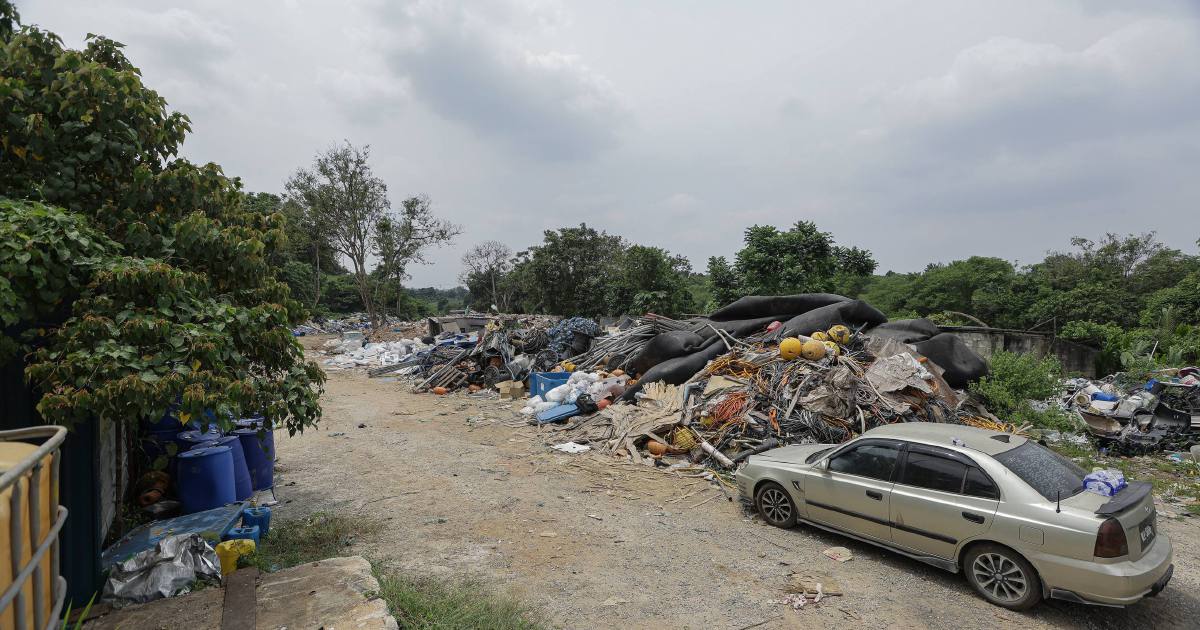
Authorities in Johor have mobilised a multi-agency task force to investigate allegations that construction waste originating from Singapore has been deposited illegally at several locations throughout Pontian. The move signals the state's commitment to addressing what could represent a significant environmental breach affecting the border district, though concerns about waste trafficking remain a persistent challenge in the region.
The investigation will span multiple sites suspected of receiving the imported debris, drawing on expertise and resources from various government departments working in coordination. This collaborative approach reflects recognition that environmental violations of this scale often require sustained, multi-disciplinary scrutiny to establish the full extent of illegal activity and identify responsible parties.
Pontian's proximity to Singapore has historically made it vulnerable to cross-border environmental concerns. The district's location along the causeway corridor creates logistical access that can be exploited for dumping operations, particularly when waste management costs in Singapore make illegal disposal in neighbouring jurisdictions economically attractive for certain operators. Previous incidents have demonstrated the vulnerability of border areas to such practices.
The allegations underscore broader challenges facing Malaysia in managing industrial and construction waste amid rapid urban development across the region. Construction sectors in both Singapore and Johor generate enormous quantities of waste annually, and proper disposal infrastructure remains under pressure even in formal channels. When legitimate disposal becomes expensive or inconvenient, illegal dumping becomes tempting for unscrupulous operators seeking cost shortcuts.
Environmental impact concerns are substantial. Construction waste typically contains materials ranging from concrete and timber to metals and hazardous substances, depending on renovation or demolition scope. When deposited improperly, such materials can contaminate soil and groundwater, particularly problematic in agricultural areas surrounding Pontian. Long-term ecological consequences may take years to become apparent, by which time remediation costs escalate dramatically.
The task force's comprehensive mandate suggests investigators will pursue multiple investigative angles simultaneously. Establishing the origins of dumped materials requires technical analysis and documentation trails. Identifying logistics networks and transportation methods involves tracking vehicle movements and cargo manifests. Determining legal responsibility may extend to Singapore-based waste management companies, transport operators, and site owners who knowingly permitted dumping.
Cross-border cooperation becomes essential in cases involving waste originating from neighbouring jurisdictions. Singapore's highly regulated waste management system means that construction debris dumping there carries severe financial penalties and potential criminal liability. This regulatory environment creates incentive structures favouring illegal exportation of problematic waste to jurisdictions perceived as having weaker enforcement.
The investigation's scope will likely examine whether any pattern exists suggesting organised dumping operations rather than isolated incidents. Systematic illegal disposal networks typically involve multiple stakeholders—waste generators seeking cheap disposal, transport companies facilitating movement, site owners providing locations, and potentially local officials overlooking violations. Identifying such networks requires forensic attention to financial trails and communication records.
Malaysian authorities face particular complexity when addressing transnational environmental violations. Diplomatic considerations shape how aggressively investigations proceed against foreign entities, though public concern about border environmental degradation typically overrides such sensitivities when incidents become widely known. The establishment of this task force signals that Johor intends pursuing the matter seriously.
Longer-term implications extend beyond immediate remediation. Successfully prosecuting cross-border dumping cases strengthens deterrence against similar future activities. It also establishes precedent regarding Malaysia's willingness to defend its environmental standards and territorial integrity against waste trafficking schemes. Neighbouring regions facing similar pressures watch how authorities respond to such violations.
The investigation's outcome will influence policy discussions about border waste management and interstate environmental standards. If allegations prove substantiated, Johor may pursue formal complaints through federal channels, potentially triggering diplomatic engagement with Singapore at official levels. Both nations have mutual interest in preventing environmental degradation across their shared border region.
For Pontian residents, the task force's work represents an opportunity to understand what environmental damage may have already occurred and what remediation efforts might address contaminated sites. Public transparency regarding investigation findings will be crucial for rebuilding confidence in authorities' capacity to protect local environmental interests against external pressures.
The investigation also highlights ongoing tensions between economic development pressures and environmental protection in border regions. As construction activity accelerates throughout Malaysia and Singapore, waste generation inevitably increases. Establishing robust enforcement mechanisms against illegal dumping requires sustained commitment and resources that often compete with other regulatory priorities. Johor's task force initiative demonstrates recognition that such commitment is necessary to maintain environmental standards and territorial sovereignty.

