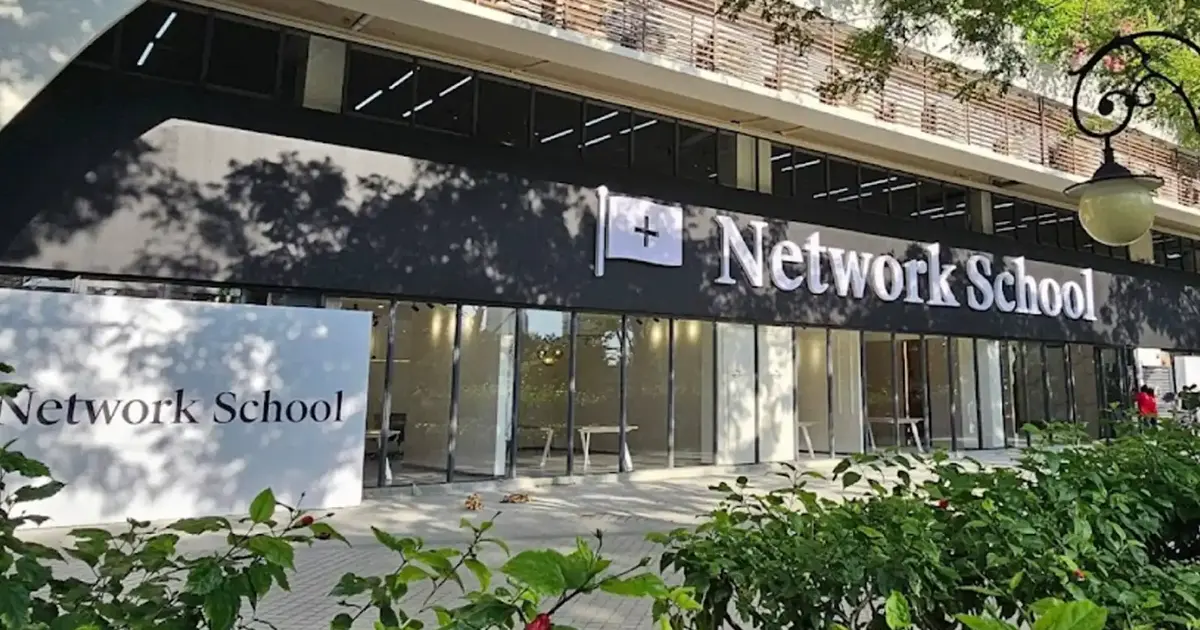
Johor's chief minister has demanded that federal authorities launch a formal inquiry into allegations that Israeli citizens circumvented Malaysia's entry restrictions by using passports from other nations to participate in the Network School programme. Menteri Besar Onn Hafiz Ghazi raised the concern publicly, signalling the state government's determination to scrutinise the educational initiative's participant vetting procedures and its broader compliance with Malaysia's policies.
The Network School programme, which operates across multiple Southeast Asian countries, has faced growing scrutiny in Malaysia regarding the nationalities and backgrounds of individuals it recruits. The allegation that participants may have used secondary documentation to obscure their true identity and origin represents a serious breach of transparency and raises questions about the adequacy of current screening mechanisms at both the programme and entry-point levels.
Malaysia maintains longstanding diplomatic and policy positions regarding Israel, making the admission of Israeli nationals through alternative documentation particularly sensitive from both legal and political perspectives. The use of second-country passports would constitute a deliberate circumvention of established protocols, suggesting either a deliberate attempt to exploit loopholes or a systemic failure in identity verification procedures. Such breaches carry implications not only for the specific programme but also for how Malaysia manages international participant exchanges more broadly.
Onn Hafiz Ghazi's call for federal intervention reflects the division of responsibilities within Malaysia's governance structure, where state governments flag concerns but federal authorities—including immigration and education agencies—typically conduct formal investigations and determine enforcement action. The escalation to federal level underscores the seriousness with which Johor views the allegations and the expectation that this matter warrants coordinated, comprehensive action across multiple government agencies.
Network Schools operate as a model for bringing together young leaders from diverse backgrounds for intensive educational and developmental programmes. The initiative emphasises cross-cultural exchange and global networking among emerging professionals and students. However, the apparent security and verification failures identified in relation to the Malaysian cohort suggest that despite the programme's stated values of transparency and international cooperation, there may be significant gaps in how participants are vetted before entering Malaysia.
The implications of such breaches extend beyond the individual programme. If foreign nationals can successfully mask their identity through the use of alternative passports, this indicates potential vulnerabilities in Malaysia's broader immigration screening infrastructure. Immigration authorities may need to strengthen cross-referencing procedures between passport databases and biographical information, particularly for programmes that involve international participant movements. The incident serves as a case study in how educational and cultural exchange programmes can inadvertently become vectors for circumventing entry requirements if adequate safeguards are absent.
From a diplomatic standpoint, the issue touches on Malaysia's carefully calibrated international relations. Any suggestion that Israeli nationals entered the country through deceptive means could provoke public controversy and raise questions about government oversight of international partnerships. The Johor government's proactive stance in demanding an investigation may also be positioned to demonstrate to citizens that state authorities remain vigilant in protecting Malaysia's sovereignty and adherence to established foreign relations principles.
The investigation, if initiated by federal authorities, would need to examine multiple dimensions of the situation. This includes reviewing the Network School's participant selection and onboarding procedures, examining how the organisation verified applicant backgrounds, determining whether any falsified documents were submitted, and assessing whether any individuals in question actually entered Malaysia and what activities they undertook. Federal agencies would also likely coordinate with international partners to establish whether other countries hosting Network School programmes experienced similar incidents.
For Malaysia's educational sector, the incident raises important questions about due diligence expectations for international programmes operating within the country. Universities and educational institutions that partner with or host international initiatives bear responsibility for ensuring that their international collaborators maintain adequate verification standards. The Network School allegation may prompt institutions to review their own protocols for approving and monitoring international educational exchanges involving foreign participants.
The investigation may also influence how Malaysia structures future international educational partnerships. Policymakers may determine that stricter requirements for foreign participant vetting, additional documentation beyond standard passport verification, or enhanced coordination with immigration authorities are necessary preconditions for approving international programmes. Such measures would add administrative layers but could be justified as necessary safeguards for national security and regulatory compliance.
Beyond the immediate investigation, this incident contributes to broader conversations in Southeast Asia about balancing openness to international exchange with appropriate national security screening. As regional nations increasingly host global initiatives—from education and business to technology and cultural programmes—the challenge of maintaining effective participant verification without unduly restricting legitimate international engagement remains a delicate policy balance. Malaysia's experience with the Network School allegations may offer lessons for other Southeast Asian governments managing similar programmes.
The federal authorities now bear responsibility for conducting a thorough and impartial investigation that clarifies what occurred, identifies any individuals involved in deception or negligence, and recommends remedial actions. The outcome could shape not only the future of the Network School in Malaysia but also establish precedents for how international educational initiatives are monitored and regulated across the region. For Johor and other state governments, the investigation's findings will inform their approach to approving and overseeing future international programmes.

