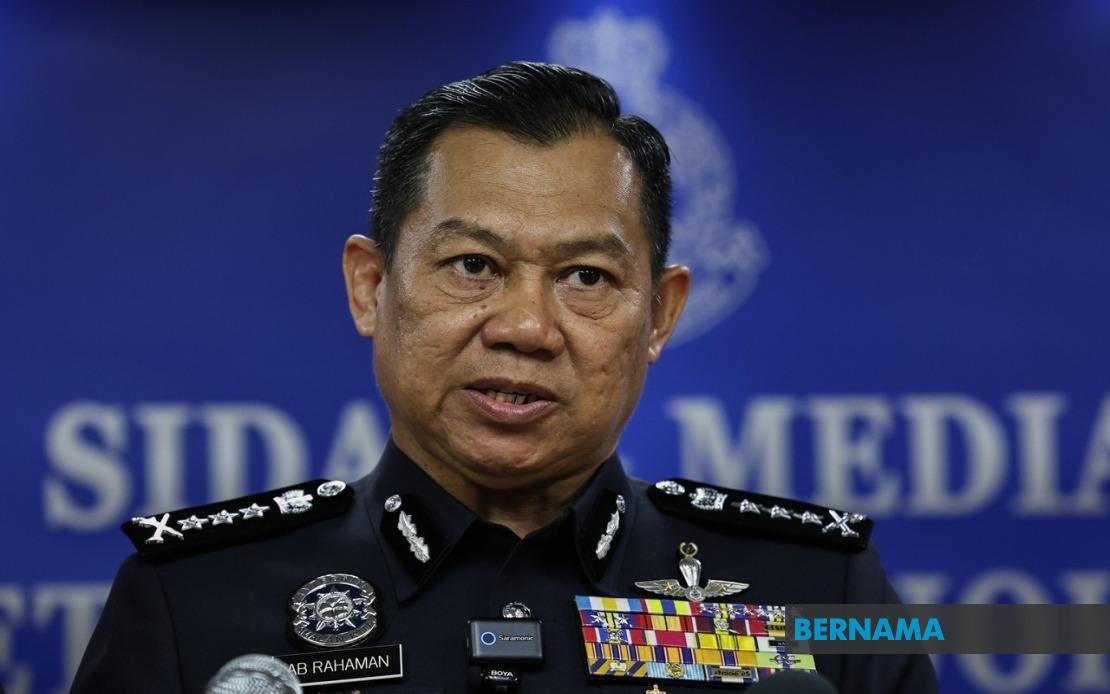
The Johor police force has processed a substantial volume of campaign permits in the lead-up to the 16th state election, approving roughly 93 percent of all applications submitted during the critical two-week window. Between June 27 and July 8, officers cleared 4,053 permits from a total of 4,368 requests, according to Johor police chief Datuk Ab Rahaman Arsad, underscoring the scale of political mobilisation across the southern state during the election campaign season.
The approval rate accelerated dramatically in the final stretch, with police receiving 884 applications in just the last 48 hours—July 7 and 8—and greenlit 838 of them. This surge reflects the typical pattern seen in Malaysian elections, where political parties compress their outdoor activities and public gatherings into the final days before polling. The rapid processing on those two days demonstrates the police's capacity to handle administrative demands while maintaining scrutiny over permit conditions.
Ab Rahaman emphasised that the security and public order environment throughout the campaign period has remained stable and manageable. His statement suggests that despite the intensity of campaigning and the competitive nature of electoral contests, no major incidents or breaches of conduct have disrupted the electoral process. This assessment carries significance for voter confidence, as peaceful campaigns are essential to the legitimacy of democratic exercises in Malaysia.
Police oversight of campaign activities has been systematic and comprehensive. Officers have been tasked with monitoring all permitted political gatherings to confirm compliance with electoral law and ensure that activities do not destabilise public safety or community harmony. This supervisory role is particularly important in a diverse state like Johor, where multiple ethnic and religious communities coexist and campaign rhetoric can occasionally strain social cohesion if left unchecked.
However, the monitoring function has not been purely permissive. During the two-day period ending July 8, police registered 17 complaints related to election conduct and initiated four formal investigations into potential offences. This modest number of violations recorded against thousands of approved activities suggests either disciplined campaign conduct or effective deterrence through the permit process itself. The investigations opened provide insight into the types of breaches authorities consider most serious during elections.
One investigation was launched under Section 4A(1) of the Election Offences Act 1954, which criminalises attempts to incite ill will or enmity between groups. This provision addresses campaign rhetoric deemed divisive or inflammatory, reflecting concerns that emotional appeals during elections could inflame underlying social tensions. Such charges are taken seriously because they touch on the fundamental cohesion required for multiethnic societies to function.
A second investigation centred on alleged defamation and misuse of digital communication channels. The case invoked both Section 500 of the Penal Code, dealing with criminal defamation, and Section 233 of the Communications and Multimedia Act 1998, which addresses improper use of network services. This dual charge reflects evolving enforcement strategies as campaigns increasingly migrate to social media platforms, where false or malicious statements can spread rapidly beyond traditional fact-checking mechanisms.
Two further investigations targeted alleged property damage under Section 427 of the Penal Code. Campaign vandalism—whether tearing down rival posters, defacing billboards, or destroying campaign materials—has been a persistent challenge in Malaysian elections. The initiation of these investigations signals police commitment to protecting the visual and physical environment from campaign-related destruction, ensuring a level playing field where all parties can display their messages.
Over the extended approval period from June 27 to July 8, the cumulative enforcement picture emerges with greater clarity. Police received 73 total reports of election-related incidents and opened 22 investigation papers. The ratio of reports to investigations suggests that some matters are resolved administratively or dropped after initial review, while others proceed to formal investigation based on evidence of actual violations. This filtering process is normal in law enforcement but also raises questions about whether all reported infractions receive equally rigorous scrutiny.
Ab Rahaman's closing remarks on enforcement philosophy deserve attention for what they reveal about policing priorities. His pledge to address violations firmly, fairly, and with integrity suggests awareness that perceived bias or selective prosecution could undermine public trust in the electoral process. In Malaysian politics, where accusations of unequal treatment occasionally surface, such assertions of impartial enforcement carry weight, though implementation ultimately determines credibility.
For Malaysian voters and regional observers, the Johor election provides a test case of how law enforcement manages large-scale political competition while maintaining order and fairness. The high approval rate for campaign permits indicates relatively few objections to proposed activities, yet the presence of investigations confirms that police enforcement capacity remains active and vigilant. The balance struck between facilitation and oversight will offer lessons relevant to future elections across the country and neighbouring states grappling with similar challenges of managing free expression within electoral frameworks.

