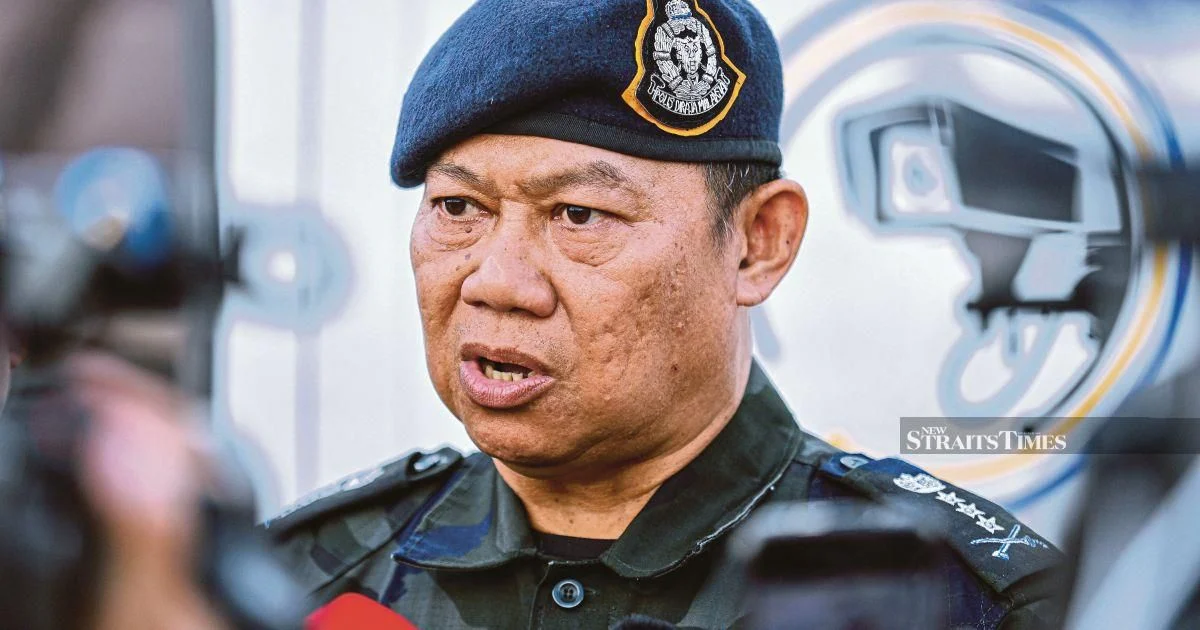
Johor's law enforcement agency has initiated formal investigations into three separate matters arising from election-related complaints lodged with authorities since the nomination phase began. The police force received a total of seven reports connected to the ongoing electoral process in the state, though only three have progressed to the investigation stage at this juncture.
The decision to open investigation papers reflects the police's measured approach to election-related complaints, suggesting that preliminary assessments determined some reports did not warrant formal probing. This selective process is typical during election periods, when election commissions and police forces must distinguish between genuine electoral violations and complaints that may lack substance or fall outside their jurisdiction. The distinction matters particularly in Malaysia's federal system, where various regulatory bodies share responsibility for overseeing election integrity.
Election campaigns in Johor have historically been closely monitored by law enforcement, given the state's significance as a major electoral battleground and its role as a population centre in the nation's south. The state's proximity to Singapore and its diverse demographic composition often make it a focal point for campaign activities and political engagement. Since nomination day marks the official commencement of the formal campaign period, complaints filed after this date typically relate to alleged breaches of campaign regulations rather than pre-election period conduct.
The nature of the three cases under investigation remains a matter of public interest, as such probes often touch on issues ranging from election financing irregularities to alleged violations of campaign conduct guidelines. Malaysian election law contains detailed provisions governing how candidates and political parties must behave during the formal campaign period, including restrictions on certain forms of advertising and requirements for transparent funding disclosure. Violations of these regulations can result in significant penalties for those found culpable.
The seven reports collectively suggest voter and observer vigilance in monitoring electoral activities throughout Johor. This heightened scrutiny reflects growing public awareness of election integrity issues across Southeast Asia, where concerns about fair electoral processes have gained prominence in recent years. Citizen engagement in reporting potential violations represents an important safeguard mechanism within the broader election oversight framework.
Johor police's approach to these complaints demonstrates the law enforcement dimension of election administration, which operates alongside the Malaysian Election Commission's regulatory functions. Police investigations typically focus on potential criminal conduct related to elections, such as election violence, breach of regulations, or financial misconduct. The Election Commission, by contrast, handles regulatory compliance matters and administrative aspects of the electoral process. This division of responsibility means that the police probe into three cases likely addresses concerns that fall within the criminal justice framework.
The decision to initiate investigations following preliminary review suggests that authorities found sufficient grounds to proceed with formal questioning and evidence gathering. Such investigations can involve interviews with complainants, alleged violators, and witnesses, as well as examination of documentary and digital evidence. The duration of investigations varies depending on complexity and the cooperation of involved parties.
Election periods in Malaysia typically generate heightened police activity focused on maintaining public order and preventing electoral malpractices. Johor, as one of the nation's largest states by population, inevitably sees significant police deployment during campaigns. The force must balance their investigative responsibilities with maintaining the operational capacity to address ordinary criminal matters and general law enforcement duties.
For Malaysian voters and observers, the police investigation process represents transparency in action, demonstrating that elected authorities take complaints seriously and subject them to formal scrutiny. However, the relatively small proportion of reported matters that advance to investigation—three of seven—also suggests that many complaints may be resolved through alternative mechanisms or determined to lack sufficient evidence or legal foundation. Understanding this filtering process helps frame public expectations around election monitoring.
The investigation outcomes will likely be determined before polling day, though some cases may extend into the post-election period depending on complexity. Successful prosecutions or findings of violations could result in penalties ranging from fines to disqualification, depending on the severity and nature of the breach. These consequences serve both as deterrents to future violations and as enforcement mechanisms that strengthen public confidence in electoral fairness.
For Southeast Asian observers watching Malaysia's electoral processes, Johor's election administration demonstrates the institutional mechanisms through which election integrity is maintained. The involvement of police, electoral commissions, and citizen reporting creates multiple layers of oversight. However, the effectiveness of these mechanisms ultimately depends on the quality of investigations, transparency in findings, and the public's perception of fairness in how violations are handled and sanctioned.

