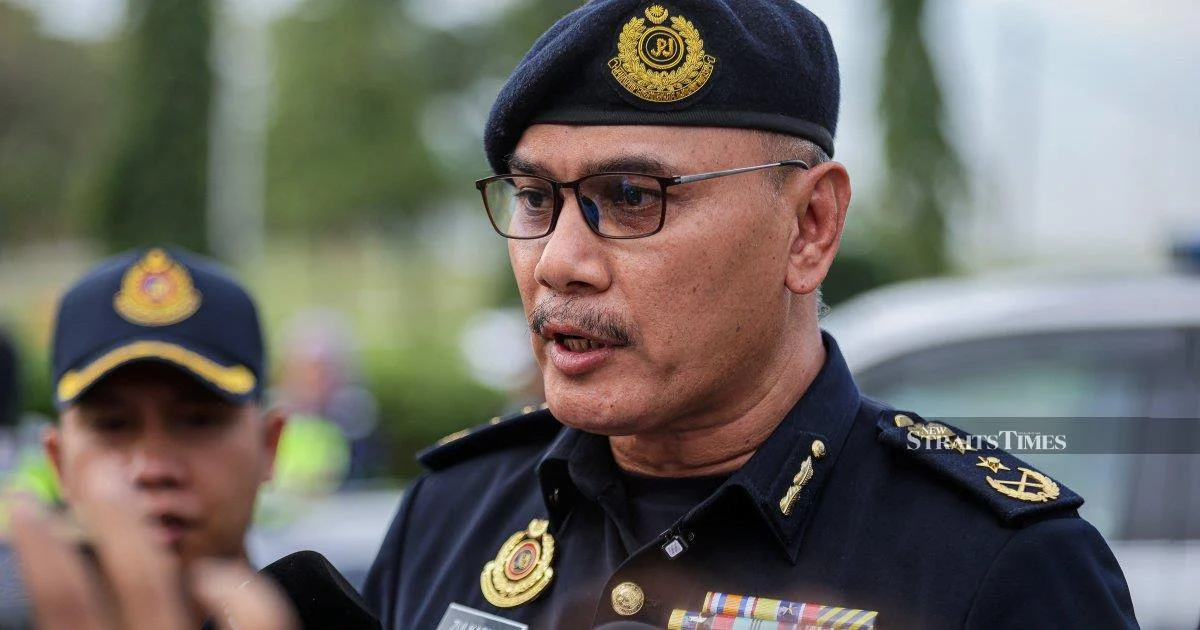
The Johor Road Transport Department (RTD) has launched a targeted enforcement operation against motorcycle riders observed operating without helmets during the recently concluded election campaign period in the state, issuing formal investigation notices to those apprehended in violation of traffic safety regulations.
This enforcement drive represents a significant push by transport authorities to maintain road safety standards even during periods of heightened political activity and public mobilisation. The campaign period typically sees increased traffic volume and motorcycle usage across the state as voters travel to polling stations and political supporters attend rallies and campaign events. Rather than suspending enforcement during this busy electoral window, the RTD chose to actively pursue violators, signalling the department's commitment to consistent application of safety rules regardless of external circumstances.
Helmet usage remains one of the most critical factors in reducing motorcycle accident fatalities and severe injuries. Medical evidence consistently demonstrates that helmets reduce the risk of head injury by up to 72 per cent and death by up to 39 per cent among motorcycle riders and passengers. Malaysia has long maintained mandatory helmet laws, making helmet-wearing a non-negotiable requirement for all riders and passengers on motorised two-wheelers. Johor, as one of the nation's most populous states with a significant motorcycling population, faces particular challenges in ensuring compliance with these regulations.
The decision to issue investigation notices rather than immediately imposing fines allows the RTD to document violations systematically and follow due legal process. Riders who receive these notices will be required to provide statements explaining their conduct and may face subsequent penalties if investigations confirm violations of traffic regulations. This graduated enforcement approach provides opportunity for education and clarification while maintaining accountability within the justice system.
Election periods in Malaysia often see fluctuations in enforcement priorities as police and regulatory agencies redirect resources toward election security, traffic management around polling stations, and maintaining public order at campaign events. However, the Johor RTD's decision to maintain helmet enforcement during this period underscores the reality that road safety cannot be temporarily suspended. Motorcycle accidents continue to occur regardless of the electoral calendar, and prevention remains more cost-effective and humane than responding to injuries and fatalities.
The enforcement action also carries implications for road culture in Johor. Visible enforcement of helmet requirements sends a clear message to the riding community that safety regulations will be consistently applied and that casual non-compliance carries consequences. Over time, such enforcement contributes to normative shifts where helmet usage becomes an ingrained habit rather than a burdensome obligation, similar to how seatbelt usage has become deeply embedded in Malaysian driving culture over the past two decades.
Riders caught without helmets during the campaign represent a cross-section of Johor's motorcycling population, potentially including commuters, delivery riders, and individuals travelling to and from election-related activities. The broad nature of this enforcement suggests the RTD conducted sweeps across multiple locations and times rather than targeting specific routes or hours, maximising the deterrent effect of visible enforcement activity.
For Malaysian road safety advocates, this enforcement action aligns with broader regional and international traffic management trends emphasising strict helmet compliance. The Association of Southeast Asian Nations has recognised motorcycle safety as a critical public health priority, and member states including Malaysia have committed to strengthening enforcement of helmet laws. Johor's approach during the election period demonstrates that electoral activity need not compromise safety enforcement and that these objectives can coexist.
The investigation notices issued during the campaign will likely result in follow-up enforcement actions in coming weeks as the RTD processes and investigates each case. Riders may face monetary fines, potential vehicle detention, or other penalties depending on the severity of violations and any mitigating circumstances they present during investigations. The precise number of riders issued notices and the outcomes of these investigations will provide valuable data on helmet compliance rates during high-traffic periods.
Governance experts note that maintaining consistent enforcement of safety regulations during election periods is itself a marker of institutional effectiveness and political maturity. When state and federal agencies continue normal operations and enforcement regardless of electoral cycles, it demonstrates that constitutional and bureaucratic systems function independently of temporary political activity. This continuity reassures the public that essential services and protections remain in force throughout the democratic process.
Looking forward, the RTD's enforcement record during the election period may inform subsequent policing strategies and resource allocation decisions. If data shows that visible enforcement leads to measurable improvements in helmet compliance, the department may allocate additional resources to similar campaigns during future high-traffic periods, whether election-related or otherwise. Conversely, data on accident rates and injury patterns during the campaign period will help authorities refine their understanding of the relationship between enforcement intensity and road safety outcomes.
The broader context of this enforcement action reflects evolving attitudes toward road safety in Malaysia, where reducing fatalities and serious injuries has become increasingly recognised as a shared responsibility involving government agencies, community education, and individual behaviour change. The Johor RTD's action during the election campaign exemplifies this multi-layered approach, combining regulatory enforcement with public messaging about safety expectations.

