The nomination phase of Johor's 16th state election unfolded without complications on June 27, as candidates and their representatives completed filing at all 56 designated nomination centres throughout the state. The orderly progression through the day reflected careful planning and coordination between the Election Commission and state authorities managing what is typically one of the most closely monitored stages of any electoral exercise in Malaysia.
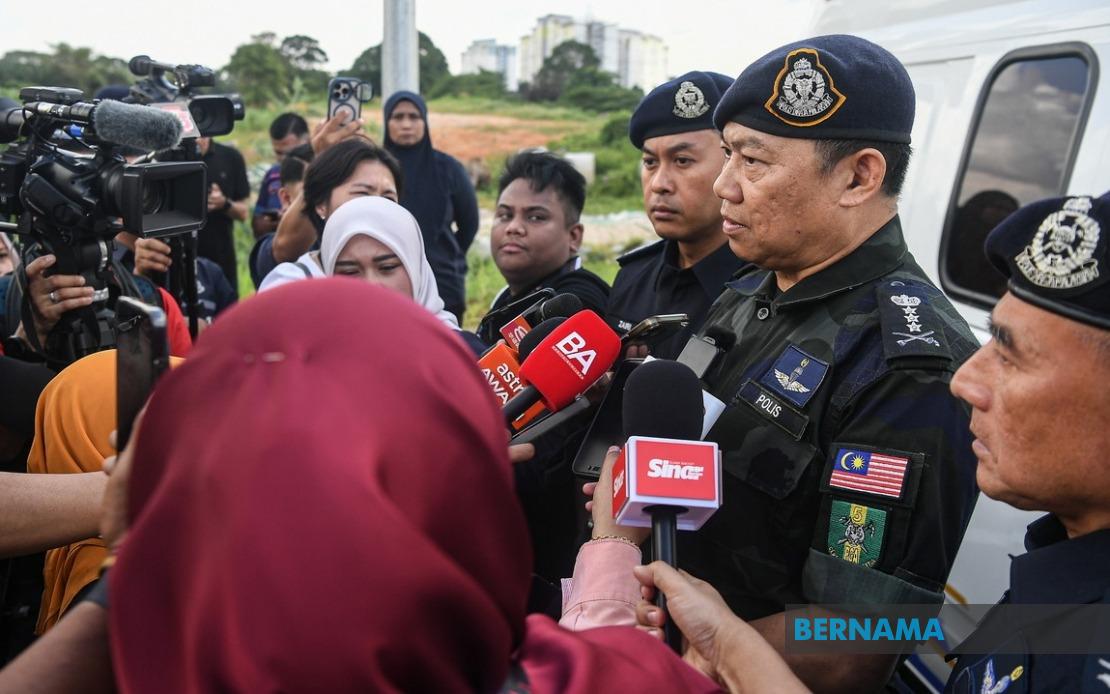
Johor police chief Datuk Ab Rahaman Arsad confirmed that law enforcement had recorded no significant incidents requiring intervention or escalation during the morning and afternoon proceedings. His statement came following a tour of nomination activities at the Puteri Wangsa centre, located at Sekolah Menengah Kebangsaan Bandar Dato Onn in Johor Bahru, where he observed the filing process firsthand alongside election officials.
The scale of the security operation underscored the importance authorities placed on maintaining electoral integrity throughout the nomination stage. A total of 4,832 police officers and personnel were strategically positioned across Johor to monitor activity at the 56 centres simultaneously. This deployment ensured sufficient coverage to detect and prevent any potential disruptions while remaining unobtrusive enough to avoid intimidating voters or candidates exercising their democratic rights.
The absence of complications during nomination day carried particular significance for the overall trajectory of Johor's election campaign. The nomination phase often serves as a testing ground for political discipline and compliance with electoral rules, as rival parties and candidates converge at central locations. Any incidents at this stage can foreshadow the tenor of the wider campaign period, making today's peaceful proceedings a positive indicator for the weeks ahead.
Beyond the nomination centres themselves, the Election Commission had already approved 26 campaign permits for various political organisations and candidates across the state, with officials expecting to issue additional permits as campaign activity intensifies. Campaign permits function as critical instruments for regulating electoral conduct, allowing authorities to monitor the scale and nature of political gatherings while ensuring they comply with public health, safety, and order requirements.
Datuk Ab Rahaman issued a formal reminder to all participating political parties and candidates regarding their obligation to conduct campaigns in accordance with electoral law and accepted standards of responsible political conduct. Such reminders, delivered at this pivotal juncture, aim to set expectations clearly before the formal campaign period accelerates. The police chief's remarks reflected growing concern in Malaysian electoral management about maintaining civil discourse during competitive periods.
The police leadership simultaneously issued a warning regarding potential public order offences, signalling that security forces remain equipped and authorised to intervene decisively against any actions that threaten peace or safety. This deterrent messaging forms part of standard electoral security protocol, designed to discourage actors who might otherwise test the boundaries of permissible conduct. Police readiness during campaign periods extends beyond nomination day itself, encompassing the entire interval leading toward polling day.
The Election Commission's election timeline provides clear structure for the electoral cycle in Johor. Early voting is scheduled for July 7, providing a window for voters who may be unable to cast ballots on the main polling day. The principal polling day has been fixed for July 11, giving political parties and candidates approximately two weeks for intensive campaigning following the completion of nomination procedures.
This compressed timeline between nomination and polling day, standard in Malaysian state elections, requires campaign machinery to mobilise rapidly. The speed means that nomination day becomes not merely a procedural step but the effective launch point for direct electoral competition. The incident-free nature of today's proceedings therefore carries symbolic weight beyond its immediate practical significance, suggesting readiness across the political and security establishment to conduct the election professionally.
For Malaysian electoral observers and practitioners, Johor's nomination day results continue a pattern of generally well-managed nomination processes across the country. Malaysian elections, despite intense competitive pressures and the occasionally fractious nature of politics at state level, have maintained relatively high standards of procedural integrity at the nomination and polling stages. This consistency reflects both institutional maturity in the Election Commission and an underlying commitment from political parties to accept electoral rules.
The involvement of such substantial police resources, while sometimes drawing criticism regarding the visibility of security presence, demonstrates the seriousness with which state authorities treat election management. In Johor's context, with its history as a politically competitive state where results significantly influence broader regional and national dynamics, the comprehensive security approach reflects recognition of the stakes involved.
As campaigns develop over the coming fortnight, the foundations laid during today's smooth nomination process will shape the electoral environment. The demonstrated capacity to manage large-scale simultaneous activities across 56 centres without disruption, combined with established campaign permit frameworks and clear police commitment to maintain order, provides reassurance that Johor's 16th state election will proceed according to electoral standards expected in a functioning democratic system.

