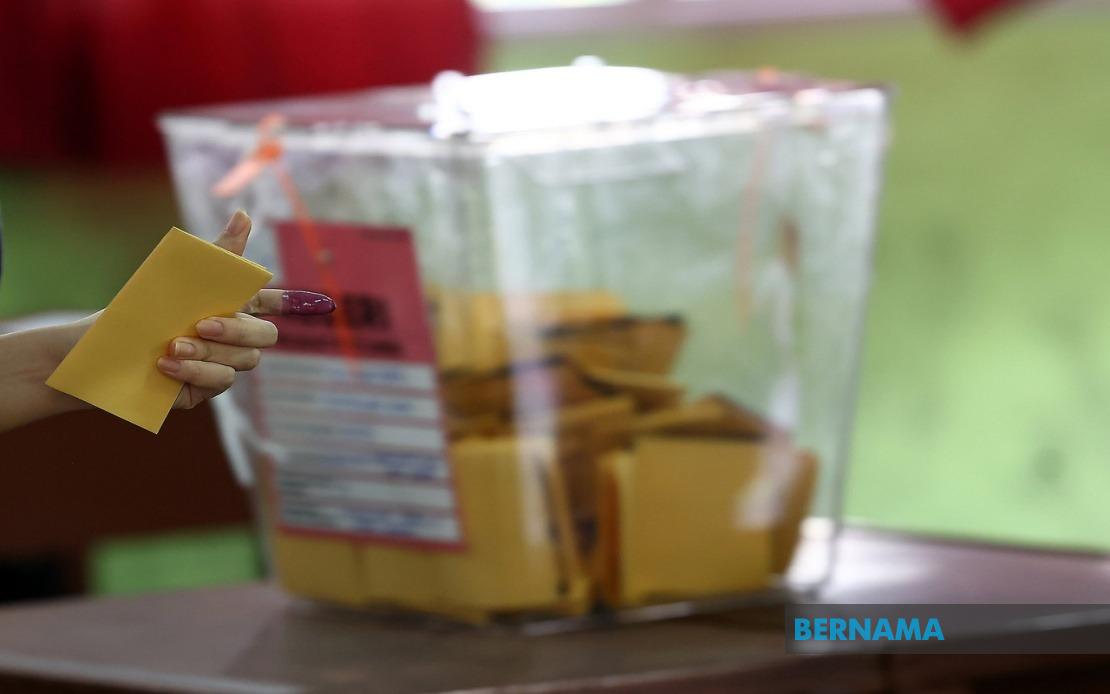
Voting momentum in the 16th Johor state election has demonstrated markedly stronger engagement than its predecessor, with the Election Commission recording that 1,130,980 electors—representing 42.16 per cent of the registered voting population—had submitted their ballots as of midday. This interim tally, drawn from a total electorate exceeding 2.6 million eligible voters, signals a notable shift in participation patterns compared to the 15th state election held five years prior, when the corresponding midday figure stood at just 34.51 per cent involving 888,605 voters across a similar-sized registered population.
The geographic distribution of voting activity across Johor's constituencies reveals considerable variation in citizen engagement throughout the day. Semarang and Sedili constituencies emerged as the frontrunners, each recording identical turnout levels of 50.5 per cent by the 1 pm checkpoint. Tanjung Surat followed closely behind with 48.6 per cent of its electorate having participated, suggesting concentrated enthusiasm in particular regions of the state. These higher-participation areas may reflect demographic patterns, accessibility factors, or heightened local political interest surrounding specific contests and candidates.
Conversely, several constituencies lagged significantly in the midday phase, presenting a more cautious picture of voting behaviour in those areas. Penggaram emerged as the constituency with the lowest recorded participation, with only 32.2 per cent of voters having cast ballots by 1 pm. Bentayan and Simpang Jeram similarly recorded below-average turnout at 32.6 per cent and 35.2 per cent respectively, suggesting either logistical challenges, voter scheduling patterns that favour later hours, or simply less immediate enthusiasm among those particular electorate pools. The substantial gaps between high-performing and low-performing constituencies underscore how voting behaviour in Malaysia remains shaped by local conditions and demographics.
For Malaysian observers monitoring electoral trends, the contrast between this election cycle and the 15th Johor poll carries significant implications. A seven-percentage-point improvement in midday turnout—from 34.51 per cent to 42.16 per cent—represents meaningful acceleration in the pace of voting. This suggests either an expanded electorate driven by population growth and registration campaigns, or a genuine increase in voter motivation and willingness to participate early in the day. The difference of approximately 242,000 additional ballots cast by midpoint indicates that turnout dynamics in Johor elections may be shifting in ways that could influence final participation figures and ultimately affect results.
The implications of this stronger midday performance extend beyond mere statistics for political analysts across Malaysia. Higher early turnout often correlates with voter enthusiasm for particular candidates or concerns about state-level governance, suggesting that the issues motivating Johor's electorate in this cycle may resonate more powerfully than those prevailing during the previous election. Whether this momentum sustains through the afternoon and evening hours will prove crucial in determining final participation levels and, by extension, the ultimate legitimacy and representativeness of the outcome.
Regional observers note that Johor's electoral health matters considerably beyond state boundaries, given the peninsula's size, economic significance, and the state's role as a bellwether for broader Malaysian political sentiment. Strong or weak turnout figures, and their geographic patterns, often foreshadow national trends and can signal shifts in voter confidence, political fatigue, or policy-driven mobilisation. The preliminary evidence from this 16th election suggests that voters in Johor remain engaged with the electoral process, despite accumulated cynicism from frequent elections across Malaysia in recent years.
The Election Commission's real-time reporting of constituency-level data reflects Malaysia's commitment to electoral transparency, enabling detailed analysis of voting patterns as they unfold. This granular information permits political scientists, media observers, and interested citizens to track variations in turnout intensity and identify constituencies where campaigns and grassroots mobilisation efforts may be generating particular resonance. The marked divergence between Semarang or Sedili at 50.5 per cent and Penggaram at 32.2 per cent hints at underlying dynamics worthy of deeper investigation.
As the day progressed beyond the 1 pm checkpoint, attention inevitably shifted to whether the strong midday momentum would persist, plateau, or accelerate further. Historical patterns of Malaysian state elections suggest that afternoon hours often see a secondary surge as workers complete their shifts and voters freed from daytime commitments cast their ballots, potentially narrowing the gaps between early-voting and late-voting constituencies. The trajectory of participation would ultimately shape the narrative around voter engagement and the legitimacy of the mandate conferred upon whatever government emerged from the 16th Johor state election.
For residents of Johor and the broader Malaysian public following the results, the comparative improvement over the 15th election represented a subtle but potentially significant indicator about the health of democratic participation in the state. Whether driven by more effective Election Commission awareness campaigns, heightened political interest, or demographic change, the enhanced turnout at midday suggested that Johor voters remained willing participants in the democratic process, despite the demanding frequency of electoral cycles that has characterised Malaysian politics in recent years.

