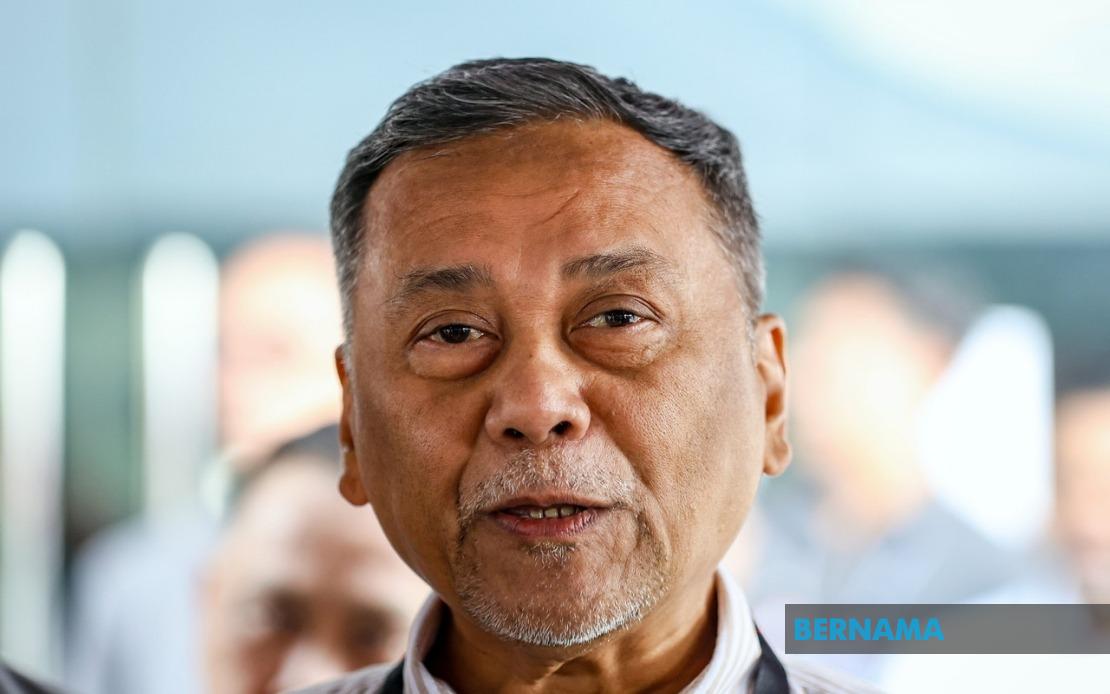
The Election Commission has projected that roughly seven in ten eligible voters in Johor will cast their ballots in tomorrow's state election, signalling considerable public engagement with Malaysia's democratic machinery. EC chairman Datuk Seri Ramlan Harun attributed this optimistic outlook to observable patterns throughout the campaign period, when voters demonstrated pronounced interest in exercising their constitutional rights. The projection carries significance not only for Johor but also for understanding broader electoral behaviour across Southeast Asia, where voter apathy remains a persistent challenge in many democracies.
Ramlan's assessment rests on tangible indicators gathered during the campaign phase, during which the EC monitored public response and participation enthusiasm. The chairman highlighted that recent weeks have witnessed notably elevated levels of citizen engagement with the electoral process, a development he characterised as reflecting deeper public consciousness regarding the importance of voting. This observation extends beyond mere statistical observation; it suggests that deliberate efforts to promote democratic participation have resonated with voters who recognise the connection between their ballot choices and consequential governance outcomes affecting their daily lives.
The projection of 70 per cent turnout would represent a meaningful engagement rate by contemporary standards. Public awareness campaigns and the vibrant nature of political competition in Johor have evidently contributed to this anticipated outcome. The EC chairman noted that heightened public consciousness about the electoral process itself—distinct from mere partisan enthusiasm for particular candidates or parties—has emerged as a contributing factor. This distinction matters considerably, as it indicates voters understand voting as a civic duty rather than simply responding to campaign messaging.
Approximately 2.7 million citizens hold registered voter status in Johor and are entitled to participate tomorrow. This substantial electorate encompasses diverse demographic segments across the state's various districts, from urban concentrations in Johor Bahru to more dispersed rural communities. The sheer scale of this voting population presents logistical challenges that the EC has approached with detailed planning and resource allocation.
Voting operations will commence at 8 am across the state, with polling centres scheduled to close at varying times determined by their geographical locations and accessibility circumstances. Island-based polling centres will operate on compressed schedules to accommodate transportation constraints; Pulau Besar, located approximately thirty minutes from Mersing, will close earliest at 11 am. Two other island locations—Pulau Aur and Pulau Pemanggil—will conclude voting operations at noon. The vast majority of polling centres, numbering 1,114 establishments, will maintain standard operating hours until 6 pm, while intermediate locations will close at either 2 pm or 4 pm depending on their specific circumstances.
The EC has mobilised an extensive workforce comprising 43,036 election officials to administer voting procedures across all polling centres. This deployment represents a substantial organisational undertaking, coordinating personnel across diverse geographical terrain and ensuring consistent procedural adherence throughout the state. Simultaneously, postal ballot arrangements have been prepared for voters unable to attend polling stations in person; 24,677 postal ballots have been distributed and must reach EC offices before the 6 pm deadline tomorrow.
Logistical coordination constitutes a central concern for election management in a state with island constituencies and varied terrain. The EC has undertaken meticulous planning for ballot transportation from island areas, implementing contingency protocols designed to address unforeseen complications. Close cooperation with the Royal Malaysian Police and Malaysian Armed Forces provides additional assurance that emergency situations can be managed effectively. This inter-agency coordination reflects the complexity of conducting elections across Johor's diverse geography and the commitment required to ensure every legitimate vote receives processing.
The anticipated 70 per cent turnout would reflect healthy democratic participation, particularly meaningful given that voter apathy and declining engagement characterise electoral trends throughout numerous democracies. For Malaysia and its Southeast Asian neighbours, maintaining strong voter participation remains important for legitimacy and democratic health. Johor's projected turnout suggests that when electoral competition remains competitive and public sentiment indicates elections possess genuine consequence, citizens respond by fulfilling their democratic obligations.
The 16th Johor state election represents a significant political moment for the state and broader Malaysian politics. Strong anticipated participation indicates voters recognise the importance of determining their state-level representation and governance direction. As polling preparations near completion and the EC confirms readiness across all operational aspects, the coming day will test whether actual turnout aligns with the Commission's measured projection, providing insight into Malaysian electoral behaviour at a critical political juncture.

