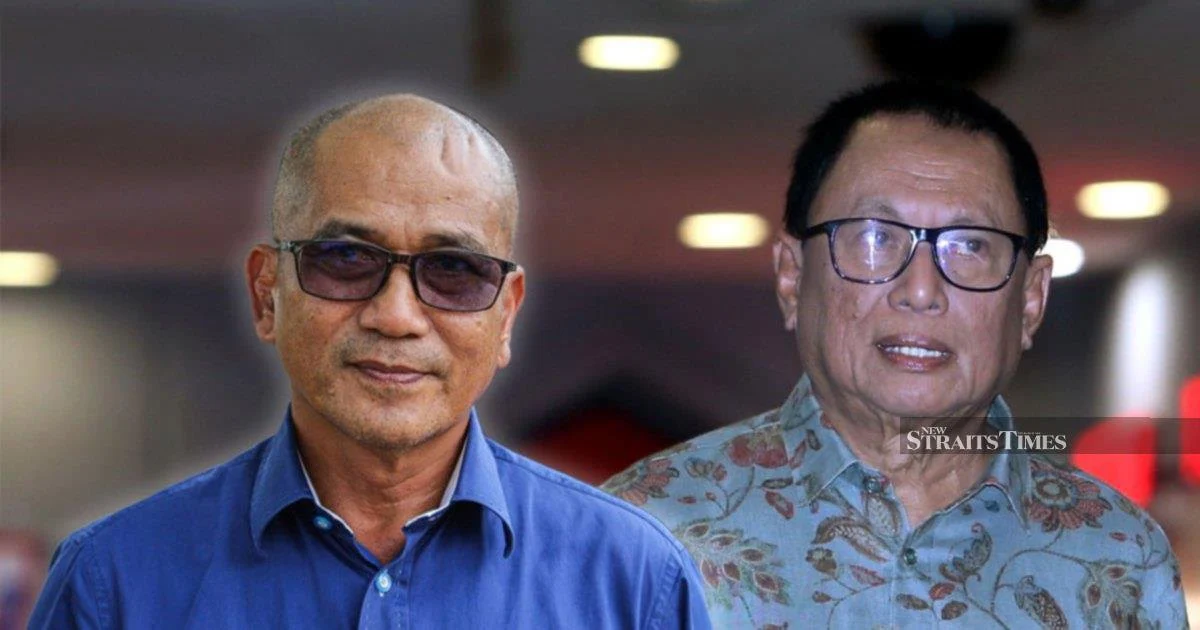
The leadership of Umno in Johor has moved swiftly to counter assertions levelled by Datuk Dr Mohd Puad Zarkashi, the former speaker of the Johor legislative assembly, regarding circumstances surrounding the dissolution of the chamber on June 1. Party officials based in the state have characterised these claims as fundamentally baseless, and have accused the ex-speaker of making grave and damaging allegations without foundation.
The dissolution of the Johor state assembly marked a significant moment in the state's political calendar, triggering a cascade of consequences for the political landscape. Puad Zarkashi, who previously held the position of speaker—a role traditionally associated with institutional neutrality and impartiality—has since emerged as a vocal critic of how the decision was handled and executed. His intervention into what appeared to be largely settled matters has reopened discussion about the political manoeuvrings and decision-making processes that preceded the formal dissolution.
Umno representatives in Johor have taken exception to the substance and tone of Puad Zarkashi's comments. The party's response indicates deep frustration with the former speaker's willingness to mount what senior figures view as an unjustified attack on the state party machinery and leadership. The language employed by Umno—describing the allegations as serious slander—suggests the party considers these claims sufficiently damaging to warrant a forceful and unambiguous rebuttal rather than a measured response.
The timing of Puad Zarkashi's allegations carries additional weight given his previous institutional role. As the former speaker, he would have been privy to internal deliberations and procedural discussions within the assembly that remain largely opaque to the general public. This positional knowledge grants his claims a potential credibility that Umno leadership appears keen to undermine. By pushing back aggressively, party officials are attempting to prevent Puad Zarkashi's account from gaining traction among the broader Johor electorate or becoming established as an alternative narrative to the official version of events.
The dissolution itself occurred during a period of considerable political fluidity across Malaysia, as various state and federal configurations shifted in response to electoral results and post-election negotiations. Johor, as one of the largest and most politically significant states within the federation, commands particular attention from both Umno strategists and observers of Malaysian politics more broadly. Any instability or controversy within the state administration can have ripple effects across the broader political ecosystem, making the Umno response crucial for maintaining party messaging discipline.
For Malaysian political observers, the clash between Umno and Puad Zarkashi illuminates the tensions that frequently emerge between formal institutional roles and partisan loyalty. The speaker's office, while technically distinct from party machinery, exists within a fundamentally political structure where individuals maintain party affiliations and factional alignments. Puad Zarkashi's current willingness to criticise his former party colleagues raises questions about what incentive structures or grievances might have motivated this break with collective silence.
The escalation to accusations of slander indicates that this dispute has moved beyond simple policy disagreement into territory where reputational damage becomes the primary concern. Umno's resort to strong language suggests the party views Puad Zarkashi's allegations as posing a genuine threat to the credibility of senior state figures and the decision-making process surrounding the assembly dissolution. Whether the allegations touch on procedural irregularities, backroom dealings, or constitutional impropriety remains unclear from Umno's public response alone.
For regional observers, the Johor situation demonstrates how factional and personality-driven conflicts can become embedded within larger institutional processes. The dissolution of a state assembly typically appears as a straightforward constitutional matter in formal documents, yet the political journey toward that decision frequently involves complex negotiations, trade-offs, and moments where the preferences of individual leaders outweigh collective institutional interests. Puad Zarkashi's willingness to articulate grievances suggests that not all stakeholders within Johor's political establishment accepted the dissolution process as legitimate or properly handled.
The response from Umno also signals an effort to contain potential damage before it spreads to undermine confidence in state administration more broadly. A former speaker casting aspersions on decision-making processes represents the kind of insider criticism that can prove particularly corrosive, as it comes from someone positioned to understand institutional norms and procedures. Umno's focus on characterising rather than substantively engaging with specific allegations may indicate either confidence that the claims lack substance or a strategic calculation that detailed rebuttal might inadvertently amplify the concerns being raised.
Looking forward, the trajectory of this dispute will depend partly on whether Puad Zarkashi commands sufficient political leverage or public platform to sustain pressure on the Johor Umno establishment. If his allegations gain currency among ordinary party members, grassroots supporters, or opposition figures seeking ammunition, the simple denial offered so far may prove insufficient to restore complete unity within Umno's ranks across the state. Conversely, if the party successfully isolates Puad Zarkashi as a disgruntled individual nursing personal grievances, the impact may remain limited to internal faction management rather than broader political consequences.

