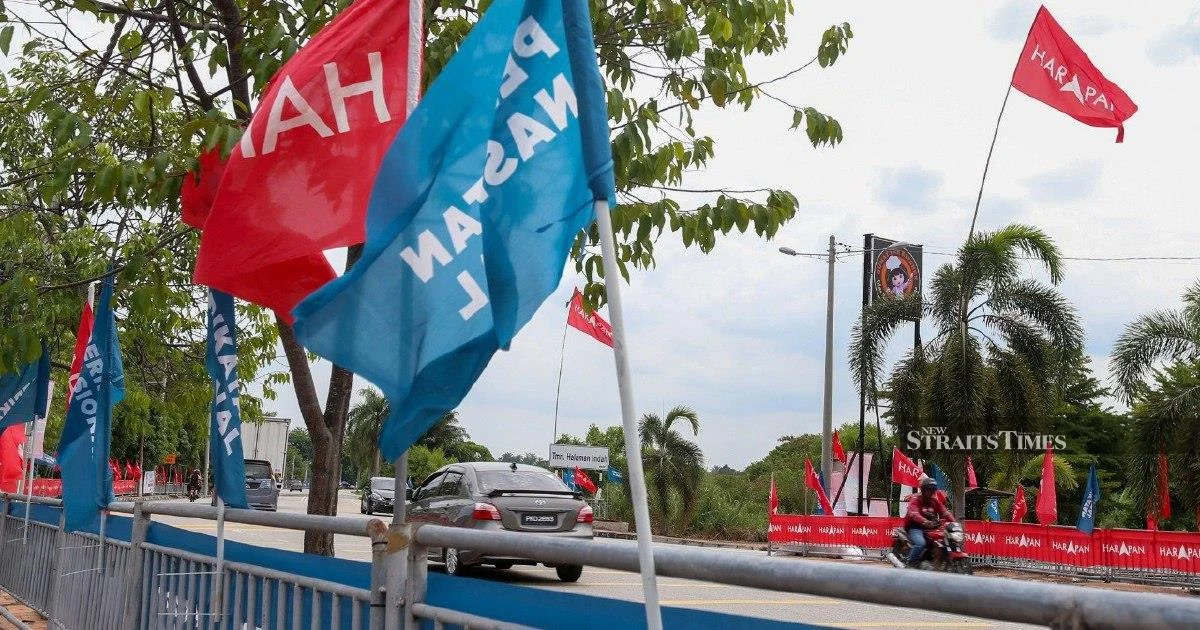
The 16th Johor state election officially commenced today as nomination day opened across all 56 state constituencies, formally launching what is expected to be a fiercely contested political contest in Malaysia's southern region. The simultaneous opening of nomination centres represents a significant moment in the state's political calendar, setting in motion the machinery that will determine which parties and candidates will have the opportunity to seek votes in the coming weeks.
Nomination day serves as the critical gateway through which prospective candidates must pass before they can campaign. The process requires candidates and their proposers to formally register their candidacy with the relevant election authorities, a procedural step that filters out those lacking the necessary organisational backing or legal qualifications. For Johor voters, today's developments signal the beginning of an election period that will reshape the political landscape in one of Malaysia's most significant states economically and strategically.
The scope of the contest is substantial, with 56 state constituencies spanning the entire geographic expanse of Johor. This number of seats ensures that no single party can take control lightly, requiring extensive ground operations and genuine voter engagement across diverse communities. The constituencies encompass urban areas like Johor Baru where sophisticated electorate preferences shift rapidly, alongside rural and semi-urban regions where traditional political structures and community networks retain considerable influence over voting behaviour.
The nomination process today reveals crucial information about party preparation and candidate selection strategies. Which figures have secured nomination in contested seats, and which are being parachuted into new territories, will provide early indicators of party confidence and internal political dynamics. Parties must balance nominating sitting incumbents—particularly those with strong personal voter bases—against promoting fresh faces intended to broaden appeal or strengthen positions in marginal constituencies.
For the various political coalitions competing in Johor, today marks a crucial test of their internal cooperation and unity. Malaysian state elections have increasingly become battlegrounds where national political tensions manifest at the local level, particularly when federal coalition partners disagree about seat allocation or strategy. The way nominations unfold today will demonstrate whether alliances remain cohesive or whether cracks exist in their structures.
Johor's electoral significance extends beyond state politics into national considerations. As one of Malaysia's largest states by population and a traditional stronghold of particular political movements, the outcome of this election will be closely watched by federal politicians assessing their own standing and the likely trajectory of national politics. Victory or defeat in Johor can shift narratives about which parties are genuinely ascendant and which are in decline.
The nomination period also commences a distinct phase in political engagement where candidates must present themselves to voters with renewed intensity. This is particularly important in constituencies where incumbent advantage is weaker or where demographic changes have altered the electorate's composition. Candidates who have held office for multiple terms face particular pressure to demonstrate they remain responsive to community needs, while challengers must articulate why change is necessary.
For Malaysian political observers, the nomination statistics themselves—the number of contested seats, whether some constituencies face multiple challengers, and which parties are contesting everywhere versus selectively—will offer valuable insight into competitive dynamics. High-contest races indicate genuine competition and uncertainty about outcomes, whereas walkovers suggest areas where one party's dominance is essentially uncontested.
The campaign period that formally begins with today's nominations will test ground organisation, candidate quality, and party messaging effectiveness. Johor's diverse population means different constituencies respond to different political narratives. Urban voters may prioritise infrastructure and economic opportunity, while rural areas emphasise agricultural support and basic services. Parties must calibrate their messaging accordingly across different regions.
Election Commission procedures for today's nomination process are stringent, ensuring transparency and preventing irregularities. Candidates must meet residence requirements, possess appropriate citizenship status, and secure proposers confirming their support. The formal verification of these requirements creates an official record and establishes the candidates who have legitimately qualified to contest.
The period from today through polling day will likely see intensified activity across all 56 constituencies. Party machinery will mobilise supporters, candidates will conduct house-to-house campaigning, and media organisations will provide extensive coverage. For Johor residents, this election represents an opportunity to shape their state's direction for the next election cycle.
As nominations close and the formal campaign period progresses, all eyes will be on how the various political forces have positioned themselves. Today's nomination day essentially freezes the playing field, determining exactly who is competing and under which party banner. This foundational step transforms abstract political positioning into concrete candidacies that voters will ultimately evaluate.

