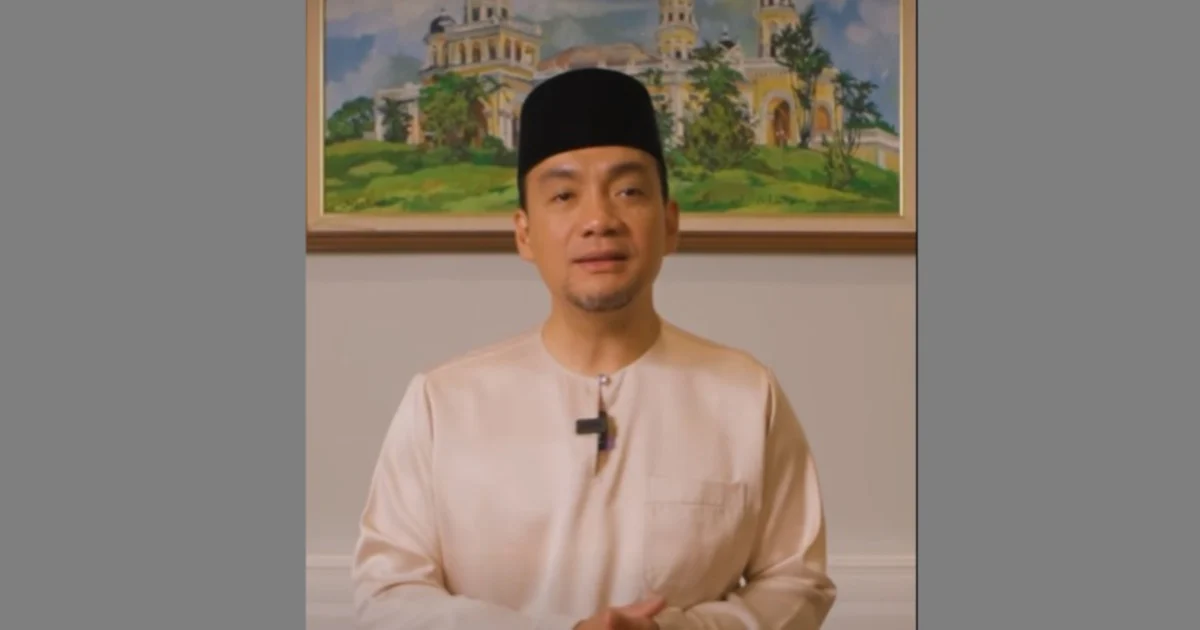
Datuk Onn Hafiz Ghazi, who continues as Johor's caretaker menteri besar, is actively campaigning among the state's security forces ahead of early polling scheduled for July 7. The move underscores Barisan Nasional's reliance on a demographic that has historically formed a dependable electoral foundation across Malaysia. By engaging military personnel and police officers directly, the coalition is attempting to lock in support from voters who maintain institutional loyalty and typically exercise their franchise with high participation rates.
The appeal to security forces carries particular significance in Johor, a state where the armed forces and paramilitary organisations maintain substantial presence through military installations, training grounds, and administrative headquarters. This geographic concentration means that courting servicemen and women can translate into tangible vote counts, particularly when coordinated through structured early voting mechanisms that accommodate their operational schedules. The strategic emphasis on this bloc suggests BN strategists view the security sector as both numerically important and politically reliable.
Campaigning directly to uniformed personnel reflects a broader pattern in Malaysian elections where coalition and opposition parties compete intensely for votes among groups with concentrated influence or symbolic importance. Security forces are seen as particularly valuable because their voting patterns often influence family members and colleagues, creating a multiplier effect within their communities. Additionally, the military and police maintain internal communication networks that can amplify campaign messaging more efficiently than traditional media channels.
Onn Hafiz's positioning as caretaker menteri besar gives him institutional credibility when appealing to security forces, as he represents continuity and state-level governance. His direct engagement with this voter segment suggests confidence that BN can retain support among a group that has benefited from various government policies and resource allocations. The caretaker's personal appearance and messaging conveys that BN values the security sector's contribution to national stability and development.
The July 7 early voting arrangement itself warrants attention, as it demonstrates how electoral systems accommodate the operational requirements of security personnel who may be on duty or posted away from their home constituencies on regular polling day. Early voting facilities for the military and police represent a strategic advantage that established governing coalitions have traditionally leveraged more effectively than opposition parties, given their closer institutional alignment with these forces.
BN's focus on security forces also reflects calculations about overall voter sentiment in Johor and nationally. By emphasising support from this block, the coalition projects an image of institutional confidence and internal solidarity. If messaging reaches the broader public that security forces strongly back BN, it can influence undecided voters who view such backing as an endorsement of stability and competent administration. This psychological dimension of electoral competition is as significant as the actual votes secured.
The security forces constituency in Malaysia has evolved with demographic changes, generational shifts, and evolving institutional priorities. Younger servicemen and women may not share identical voting patterns to their predecessors, and economic concerns among military families—particularly regarding housing, education benefits, and career progression—increasingly influence electoral choices. BN's campaign approach suggests an awareness that retention of this vote cannot be assumed without active engagement and demonstration of commitment to their concerns.
Johor's electoral dynamics carry weight beyond the state itself. As Malaysia's second-largest state by population and historically a BN stronghold, its results influence national narratives about coalition strength. A strong showing among security forces in Johor can provide momentum for BN messaging across other states where similar constituencies exist. Conversely, any slippage in this traditionally reliable demographic would signal problems that opposition parties could capitalise upon elsewhere.
Onn Hafiz's campaign activities also serve to keep him visible as menteri besar during the caretaker period, maintaining his political profile ahead of final election results. This dual purpose—securing votes while reinforcing his leadership presence—illustrates how Malaysian political actors use election campaigns not only to win mandates but also to strengthen personal and institutional positioning. His direct engagement with security forces sends signals to the broader BN coalition about his effectiveness and popularity within key constituencies.
The timing of the campaign push reflects understanding that early voters often include those with greatest organisational capacity and partisan inclination. Security forces personnel voting early demonstrate commitment, and their choices may influence discussions within their units and family networks. BN's investment in reaching this group during the early voting period suggests confidence that converting their support into actual votes will occur before regular polling day, providing the coalition with concrete numbers to discuss and momentum heading into the final phase.
Looking forward, how Malaysian political parties engage with security forces will likely remain a significant feature of electoral strategy. The institutional importance of the military and police to governance, combined with their concentrated voting potential, ensures they will continue receiving candidate attention and party resources. Onn Hafiz's appeal to these voters exemplifies how Malaysian elections incorporate efforts to mobilise specific demographic and institutional blocs whose support carries both electoral and symbolic weight for coalitions seeking to maintain governmental authority.

