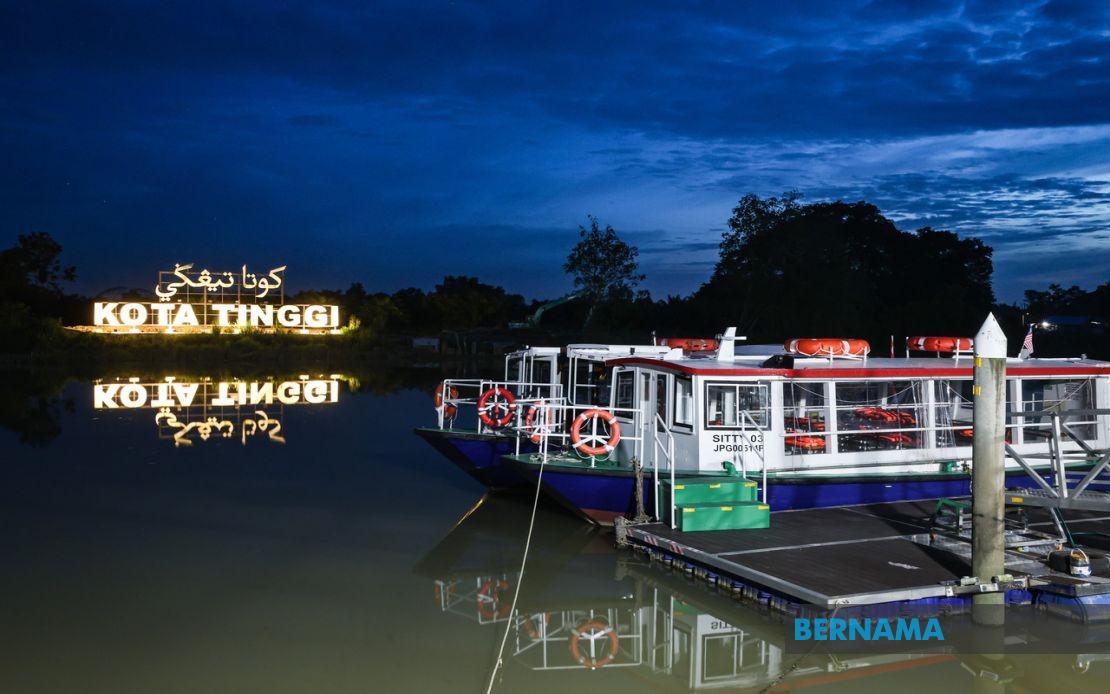
Kota Tinggi is emerging as an ecotourism hub with the launch of a specialized river cruise operation that guides visitors through both the natural splendour and storied past of Sungai Johor. Departing from Pangkalan Kota Jetty, the 6.7-kilometre journey traverses waterways that once formed the heartbeat of ancient Johor kingdoms, transforming what might otherwise be a simple boat ride into an immersive historical experience. This venture represents a growing recognition across Malaysia that heritage and nature-based attractions can complement each other to create compelling tourism products, particularly as the state government promotes Visit Johor 2026.
The Kota Tinggi River Cruise (KTRC) operation has already demonstrated significant traction since beginning operations. According to Aiman Haikal Mohd Azmi, the company's operations manager, the venture welcomed more than 10,000 passengers within its opening seven months—a figure that underscores both strong domestic interest and the appeal of the offering to neighbouring countries. Visitors have arrived not only from within Malaysia but also from Singapore, Indonesia, and Brunei, suggesting that the combination of accessibility, historical narrative, and scenic beauty resonates across regional markets. This cross-border visitation pattern is particularly valuable for Johor's tourism economy, as it indicates the destination's capacity to attract affluent regional travellers seeking differentiated experiences beyond conventional beach or shopping-focused itineraries.
The historical dimension of the cruise taps into Johor's substantial cultural legacy. Sungai Johor served as the vital artery sustaining the Johor-Riau Sultanate following Malacca's fall in the 16th century, a pivotal moment in Malay-Muslim state formation that continues to define regional identity and governance structures. The river connected early administrative centres such as Johor Lama and Kampung Makam, the latter functioning as the burial ground for several sultanates' rulers. By incorporating these narratives into the passenger experience through audio commentary and live guide narration, KTRC transforms the waterway into an open-air classroom where visitors encounter figures like Sultan Mahmud Mangkat Dijulang and Laksamana Bentan—personalities whose deeds shaped peninsular history. This educational element adds cultural substance to what might otherwise be dismissed as mere recreation.
The daytime cruise itinerary encompasses landmarks engineered to appeal to contemporary visitors while anchoring narratives in tangible geography. Titian Laksamana, a pedestrian suspension bridge, and the Johor River Barrage both feature prominently as photography destinations—a recognition that modern tourism increasingly hinges on shareable visual content and Instagram-worthy moments. However, KTRC's emphasis on riverside historical structures ensures that visitors are simultaneously educated; they observe remnants of structures while absorbing stories of the sultanate's spatial organization and administrative reach. Views of Kota Tinggi from the river vantage point reinforce the sense of place and help passengers contextualize present-day settlements within historical continuities.
Beyond the historical narrative, KTRC operates multiple product tiers designed to capture different visitor preferences and spending capacities. The daytime cruise offers straightforward heritage and nature appreciation, while the Mesmerising Fireflies package—deployed during dusk hours—shifts focus toward natural spectacle. Thousands of fireflies illuminating the riverside darkness provide an almost transcendent experience, transforming Sungai Johor into a living ecosystem showcase that underscores the river's ecological value. This contrast between heritage-focused and nature-focused offerings allows the operator to maximize revenue streams while serving distinct market segments—families seeking educational experiences, couples pursuing romantic settings, and nature enthusiasts interested in wildlife observation.
The Dining Cruise package represents yet another differentiation strategy, appealing to visitors seeking a more leisurely and gastronomically oriented experience. Combining riverside panoramas with meal service allows passengers to linger and absorb the landscape at a slower tempo while consuming local food products—an arrangement that indirectly supports regional hospitality providers and culinary enterprises. This multi-tiered approach reflects sophisticated tourism marketing, ensuring that the attraction captures spending from budget-conscious visitors through to premium experience seekers.
Pricing structures have been calibrated to remain accessible across income levels while generating operational revenue. Day cruise tickets start at RM20 for adults, with concessions for children (RM15) and senior citizens or persons with disabilities (RM10), acknowledging demographic sensitivities. Sunset and firefly cruises command a modest premium—RM23 for adults—reflecting the specialized timing and enhanced experience these packages provide. These figures suggest that KTRC management has benchmarked regional pricing conventions and positioned the offering as an affordable luxury rather than an exclusive premium product, a positioning that should sustain year-round visitation.
Operational logistics have been standardized to support consistent visitor throughput. KTRC maintains daily service from 9 am to 7 pm on weekdays, extending hours until 10 pm from Friday to Sunday, with departures scheduled hourly. This frequency prevents bottlenecks, ensures reasonable waiting times, and allows flexibility for potential passengers. Such operational discipline mirrors best practices in heritage tourism management and suggests professional management infrastructure capable of scaling should demand warrant expansion.
Aiman Haikal has articulated a broader vision in which river-based heritage and nature tourism generates dual benefits—ecosystem protection and economic opportunity for local communities. This articulation is politically and socially astute. Heritage tourism can justifiably demand river conservation measures as preconditions for operational permits and licenses, potentially creating regulatory frameworks that protect water quality and riparian ecosystems from industrial pollution or uncontrolled development. Simultaneously, employment generated through guiding, hospitality, boat maintenance, and ancillary services distributes tourism revenues beyond commercial operators to residents whose livelihoods depend upon river conditions. This multiplier logic strengthens the case for state government support and aligns with sustainable development discourse increasingly prevalent in Southeast Asian governance.
The venture's success arrives at a moment when Malaysian states are actively diversifying tourism offerings beyond conventional categories. Johor, historically reliant on urban commerce and coastal attractions, now positions itself as a destination for heritage tourism and ecological experiences. The Kota Tinggi River Cruise demonstrates that such positioning requires integrating historical scholarship, environmental stewardship, and professional tourism management—elements that, when combined effectively, create compelling attractions capable of generating significant visitation and revenue. As Visit Johor 2026 unfolds, initiatives like KTRC may establish templates for other Malaysian regions seeking to valorize natural and cultural assets as competitive tourism advantages.
The cross-border appeal evident in early visitation patterns suggests that such heritage-nature tourism products possess latent demand throughout Southeast Asia. As regional incomes rise and travel becoming increasingly discretionary, visitor cohorts across the ASEAN region increasingly seek experiential depth over superficial consumption. Kota Tinggi's river cruise addresses this appetite by offering narratives embedded in landscape, allowing visitors to understand geography as the stage upon which historical events unfolded. This narrative integration—converting waterways into repositories of historical meaning rather than mere transportation corridors—may represent a sustainable model for heritage tourism development that other Malaysian destinations, particularly those with sultanate histories or significant river systems, could adapt and replicate.

