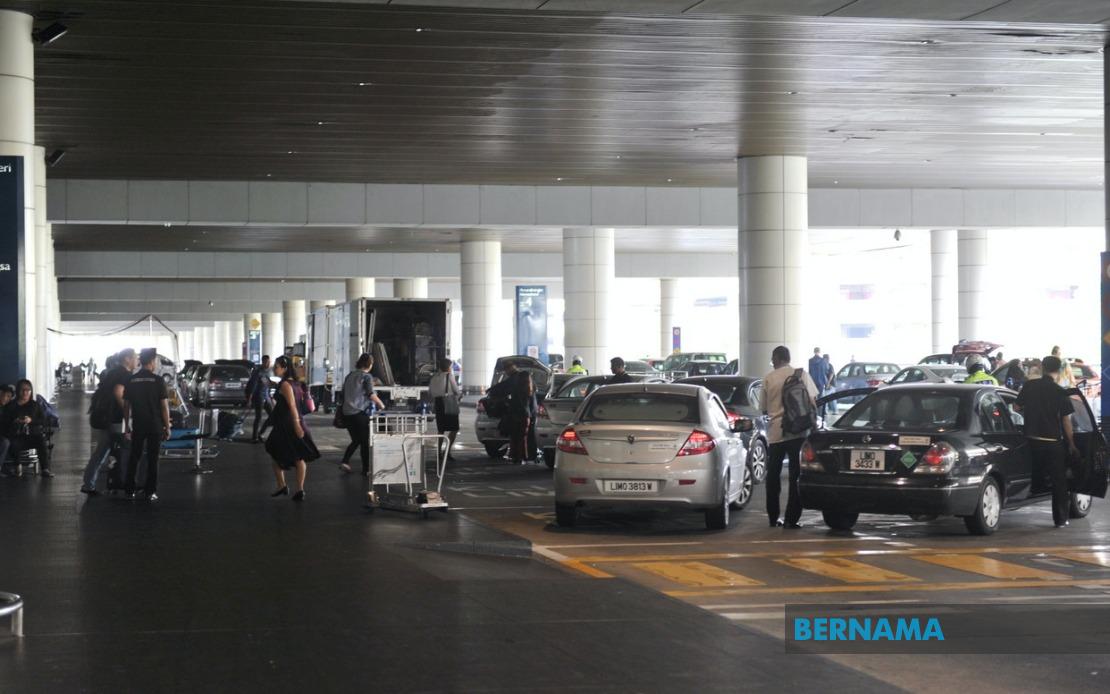
The Road Transport Department (JPJ) is mobilising a significant operational surge at Kuala Lumpur International Airport to dismantle the entrenched problem of unlicensed taxi operators, commonly known as 'ulat' or touts. Director-general Datuk Aedy Fadly Ramli announced the comprehensive crackdown during a press briefing at KLIA on July 6, signalling the transport ministry's determination to eliminate what has become a persistent embarrassment at the nation's premier aviation hub. The escalation represents a shift from reactive to proactive policing, with permanent staffing and continuous surveillance replacing the ad-hoc responses that have characterised previous efforts.
The current enforcement posture at KLIA reveals significant operational gaps that illegal operators have exploited for years. Only 17 JPJ personnel are deployed at Terminal 1, operating under restricted hours from 7 am to midnight, creating a critical vulnerability during early-morning arrivals when international flights typically land. Terminal 2 (KLIA2) has been entirely devoid of dedicated JPJ personnel, allowing touts to operate with virtual impunity during peak passenger arrival periods. This skeletal presence underscores how the illegal taxi trade has flourished despite official prohibitions, capitalising on temporal blind spots and resource constraints that leave arriving travellers vulnerable to overcharging and substandard services.
The reinforcement strategy moving forward entails a fundamental restructuring of deployment patterns. Starting the following week, JPJ will implement a three-shift rotation ensuring 24-hour coverage across both terminal complexes. This round-the-clock model directly addresses the reality that unlicensed operators adapt their activities to avoid detection, with some conducting business as early as 4 am when international aircraft commence landing sequences. By eliminating temporal gaps in enforcement, JPJ aims to create an environment where touts find operations untenable, forcing a gradual erosion of their economic viability.
Beyond numerical increases, the department is repositioning command structures to enhance operational effectiveness. Senior-grade officers will now lead enforcement units at both terminals, ensuring that decision-making authority rests with experienced personnel capable of responding to complex situations. This hierarchical adjustment reflects lessons learned from previous campaigns where frontline officers lacked the institutional support necessary to conduct sustained, aggressive enforcement without fear of repercussions from organised networks that often embed themselves within informal economies.
The illegal taxi phenomenon at KLIA operates within a broader ecosystem of informal economy dynamics common across Southeast Asian aviation hubs. International passengers, particularly those unfamiliar with Malaysian tariff structures, represent easy targets for operators charging double or triple regulated fares. Beyond financial exploitation, these transactions undermine Malaysia's international reputation, creating negative impressions during travellers' initial moments in the country. For business visitors and tourists, encounters with aggressive touts can colour their entire perception of Malaysian hospitality and safety, with potential ramifications for future travel decisions and commercial confidence.
Coordination with Malaysia Airports Holdings Bhd (MAHB) represents an underexploited dimension of enforcement strategy. Beyond traditional policing, the airport operator will enhance passenger communication through terminal displays directing travellers toward legitimate, licensed transportation services. This information architecture approach recognises that many illegal transactions occur not through deception but rather because arriving passengers genuinely lack awareness of legitimate alternatives or fare benchmarks. By making authorised services more visible and approachable, MAHB can reduce demand for illegal operators, essentially drying up their customer base through better market information.
The enforcement initiative reflects shifting priorities within Malaysia's transport governance, signalling that the international image concerns associated with airport tout activities now command ministerial attention. This represents an implicit acknowledgment that previous campaigns have been insufficient, likely attributable to understaffing, inconsistent commitment, and inadequate coordination between regulatory bodies. The directive from the Ministry of Transport to escalate operations suggests political will at the highest levels, though sustainability remains uncertain given the historical pattern of enforcement initiatives that begin with fanfare before gradually eroding due to resource reallocation or competing priorities.
The timing of this crackdown coincides with Malaysia's broader efforts to reposition itself as a premier international destination. As tourism and business travel become increasingly competitive, with travellers choosing between regional hubs, operational deficiencies at gateway airports directly impact destination competitiveness. An airport environment perceived as rife with predatory practices creates friction that sophisticated travellers—precisely those generating high-value tourism and investment flows—seek to avoid. KLIA's positioning as a gateway to Southeast Asia amplifies the reputational stakes, as many visitors use Malaysia as a transit point to other regional destinations, meaning poor experiences here cascade into negative perceptions across the broader region.
Datuk Aedy Fadly's assurance that JPJ will maintain zero tolerance toward middlemen involved in unlicensed operations signals an intention to dismantle not merely individual touts but the enabling networks that sustain their activities. Many illegal taxi operations function within structured organisations offering routes, communication systems, and protective mechanisms that individual enforcement actions struggle to penetrate. By targeting network operators rather than just frontline touts, JPJ could disrupt the infrastructure that enables rapid regeneration of illegal services following periodic crackdowns.
The success of this initiative will be measurable through concrete metrics: reduction in passenger complaints regarding aggressive solicitation, decline in reported fare overcharging incidents, and improved traveller satisfaction surveys. These indicators matter not only for operational assessment but for international rankings that assess airport quality, with KLIA's competitive position within regional aviation hubs directly influenced by passenger experience data. As Southeast Asian aviation expands and airports compete aggressively for traffic, operational excellence in enforcement against parasitic activities becomes a tangible competitive advantage.
Looking forward, the sustainability challenge remains formidable. Sustained enforcement requires consistent resource allocation and personnel motivation over extended periods, both of which often diminish once initial campaign momentum dissipates. Previous enforcement initiatives at KLIA have often followed cyclical patterns of intensity followed by relaxation, creating space for illegal operators to reestablish themselves. The critical test will be whether this initiative breaks that cycle through institutionalised practices that become routine rather than episodic, fundamentally altering the cost-benefit calculus for individuals considering illegal taxi operations at Malaysia's premier international gateway.

