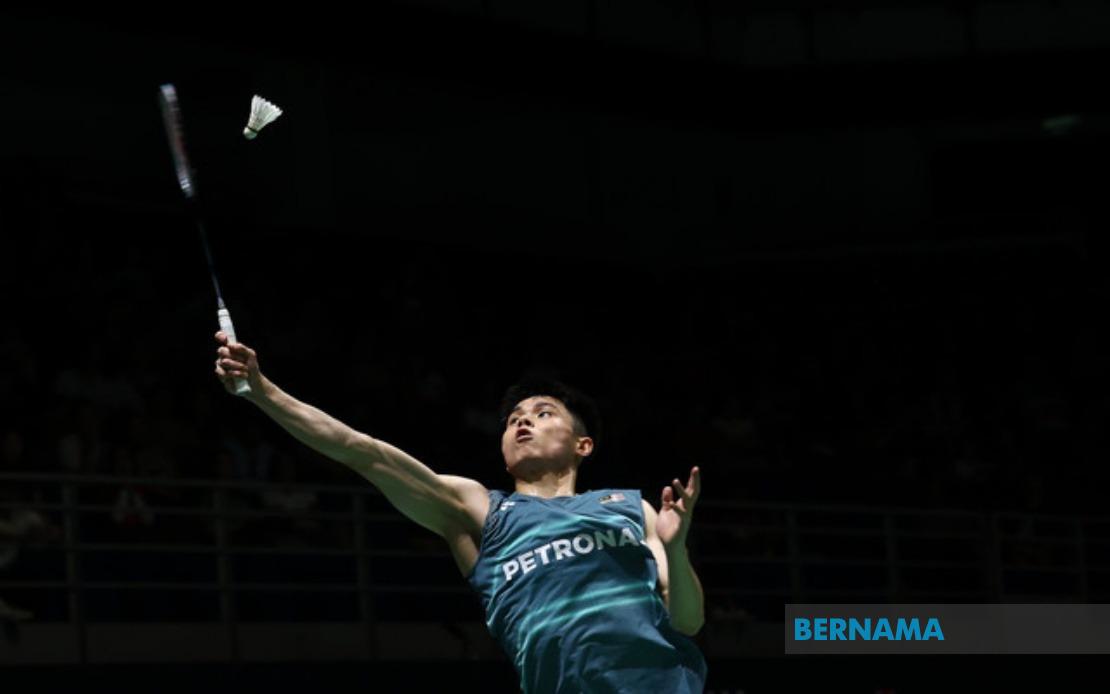
Malaysia's rising men's singles shuttler Justin Hoh is approaching his maiden appearance at the 2026 BWF World Championships in New Delhi with measured optimism and pragmatic preparation, acknowledging the unique challenges that competing in India typically presents. The 22-year-old Kuala Lumpur-born player has made clear his intention to arrive fully equipped to handle whatever circumstances arise during the tournament, scheduled to run from August 17 to 23, rather than spending energy worrying about factors beyond his control.
During a media interaction following training at the Academy Badminton Malaysia facility, Justin demonstrated a mature perspective on competing at badminton's most prestigious tournament. Rather than fixating on stadium conditions or logistical uncertainties, he emphasised the importance of thorough personal preparation and self-sufficiency. His philosophy reflects a practical understanding gained through prior competition experience in India, where international athletes have frequently encountered infrastructure and environmental issues that require advance planning to navigate successfully.
The Indian badminton circuit has a documented history of presenting competitors with obstacles unrelated to sporting competition itself. Most notably, January's India Open event hosted at the Indira Gandhi Sports Complex drew significant international criticism when media coverage exposed troubling sanitation concerns, including bird droppings discovered on practice courts and the persistent problem of monkeys roaming freely throughout the facility. Such incidents underscore why experienced international competitors now view comprehensive contingency planning as an essential component of their tournament preparation when competing in India.
Justin's recommendation that players bring their own food supplies reflects practical wisdom accumulated through previous tournaments in Indian venues. This approach addresses both digestive concerns that can arise from unfamiliar cuisine and water sources, as well as the broader principle of minimising variables that might compromise physical performance. By maintaining control over nutritional inputs, athletes can focus entirely on competitive preparation without worrying about gastrointestinal issues disrupting training or competition performance.
While acknowledging that organisers typically attempt to implement improvements before major championships, Justin remained realistic about expecting substantial venue upgrades at this stage. His balanced assessment recognises that while the 2026 World Championships will likely benefit from heightened scrutiny and investment compared to routine international events, India's infrastructure challenges in some sporting facilities persist across multiple venues and competing priorities. This pragmatism suggests a player who has studied previous experiences rather than approaching the tournament with naive optimism.
On the competitive front, Justin expressed equanimity about potential opening-round matchups against higher-ranked opponents, viewing the draw mechanics of major tournaments as simply part of the landscape rather than a cause for anxiety. This philosophical stance indicates emotional maturity for a player making his World Championships debut, where psychological resilience often determines whether competitors capitalise on their technical abilities or crumble under pressure.
Justin also addressed the persistent scrutiny facing Malaysia's men's singles division, a programme that has historically carried elevated expectations stemming from the nation's storied badminton heritage. Malaysian badminton enthusiasts and media commentators frequently voice opinions—ranging from supportive to critical—regarding the men's singles players' performances and potential. Rather than viewing such attention as burdensome, Justin characterises it as motivational, positioning the pressure and public commentary as fuel for demonstrating his capabilities on sport's biggest stages.
Regarding his own objectives for the New Delhi tournament, Justin adopted a refreshingly honest two-tier approach. While expressing the universal athlete's hope of winning a medal if circumstances permit, he simultaneously acknowledged the developmental nature of a World Championships debut. For a 22-year-old competing in his first global championship, mere qualification itself represents a significant achievement, and the experience gained from competing against the world's elite players carries immense value for career progression. This psychological framing—balancing medal ambitions with realistic acknowledgement of developmental status—suggests a player unlikely to self-destruct through overconfidence or crushing pressure.
Justin's preparation approach also reflects broader patterns within Malaysian badminton's institutional support structures. The Academy Badminton Malaysia, where he conducts his training, represents the country's centralised excellence programme and provides athletes with access to world-class coaching, facilities, and sports science support. His systematic preparation from this facility indicates a player operating within established national pathways rather than attempting to navigate international badminton independently.
For Malaysian badminton followers monitoring the next generation of players in key disciplines, Justin Hoh's measured approach to his World Championships debut offers reason for cautious optimism. His mature handling of expectations, pragmatic contingency planning, and emotional resilience suggest he possesses the psychological foundation necessary to develop into a sustained international competitor. The combination of technical ability sufficient to qualify for the World Championships with this balanced mental approach indicates a player unlikely to be overwhelmed by the magnitude of the occasion.
The broader context involves Malaysia's ongoing efforts to maintain competitive relevance in men's singles badminton during a period when several traditional powerhouses have evolved their programmes. Young talents like Justin represent continuity in the nation's commitment to producing elite shuttlers across multiple disciplines. His journey through the 2026 tournament, whatever the specific results, will provide valuable data regarding the next wave of Malaysian men's singles prospects.
As the New Delhi championships approach, Justin's combination of realistic self-assessment, practical preparation, and competitive ambition positions him well to navigate the tournament successfully. Whether he ultimately contends for medals or uses the experience as a learning platform for future World Championships, his trajectory and approach suggest Malaysian badminton's investment in the next generation continues to yield players capable of sustaining the sport's importance within the nation's athletics landscape.

