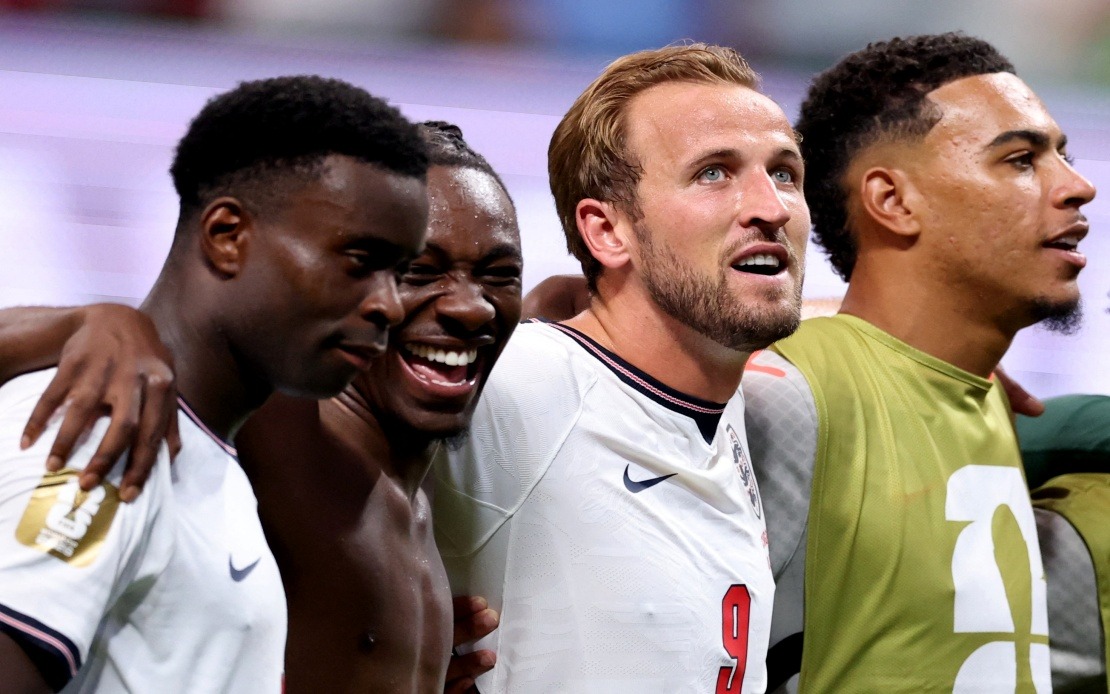
Thomas Tuchel's England side came perilously close to suffering another embarrassing early exit from a major tournament on Wednesday, only to be salvaged by captain Harry Kane's clinical finishing in a 2-1 comeback victory over the Democratic Republic of the Congo in Atlanta. The dramatic turnaround delivered the Three Lions to a knockout encounter with co-hosts Mexico, yet the manner of their escape will have raised serious concerns about their capacity to navigate the tournament's deeper stages.
England's vulnerability threatened to echo their infamous 2016 European Championship elimination to Iceland, a nadir that had haunted the nation's football consciousness for years. When Brian Cipenga's early strike handed Congo an unexpected lead on Wednesday, memories of that humiliating collapse resurfaced as the underdogs threatened to pull off an extraordinary upset. The prospect of falling at the round of 32 stage to unfancied opposition would have represented a catastrophic setback for a squad assembled and managed with World Cup glory as the explicit ambition.
Despite Kane's eventual heroics, England's performance throughout much of the match exposed considerable defensive fragilities and a troubling lack of rhythm in attack. The Africans, appearing in their maiden knockout fixture at this level, revealed uncomfortable gaps in England's backline and created multiple opportunities to extend their lead. Goalkeeper Lionel Mpasi produced a succession of inspired saves that kept Congo competitive, while forward Yoane Wissa struck the woodwork late in the first half after a defensive lapse. Kane himself felt aggrieved at one point when a penalty claim was dismissed, adding to the mounting frustration evident in both the England ranks and the voices of their supporters in the stadium.
The psychological pressure accumulated as the second half progressed, with England's inability to assert control breeding mounting anxiety. Tuchel's tactical adjustments gradually shifted momentum, though fortune played its part in the eventual outcome. Substitute Anthony Gordon emerged as a crucial creative force, providing the platform for Kane to complete his rescue mission with two well-taken finishes that transformed the trajectory of the match. The comeback itself marked a historic milestone—England's first World Cup victory after conceding first since their triumphant 1966 final appearance, a distinction that offers some consolation amid the broader concerns about their display.
For Malaysian and Southeast Asian observers, this encounter offers instructive lessons about tournament football's unpredictability. The Democratic Republic of the Congo's capacity to trouble a established European powerhouse underscores how World Cup knockouts reward tactical discipline, organization, and clinical opportunism over pedigree alone. As regional nations contemplate their pathways toward future World Cup qualification and participation, England's struggle against lesser-fancied opposition illustrates the importance of mental resilience and adaptability when initial plans encounter resistance.
The looming Mexico confrontation presents an entirely different proposition from the Congo test. The Mexicans, tournament hosts with substantial domestic support and considerable pedigree at this competition level, figure to pose more conventionally demanding obstacles through their physicality, pace, and tactical sophistication. England's performance metrics against Congo raise troubling questions about whether Tuchel's side possesses the defensive solidity and attacking incisiveness required to negotiate such an encounter successfully, let alone sustain a deep tournament run culminating in ultimate glory.
Kane's intervention preserved England's campaign at a critical juncture, yet his brace cannot entirely mask systemic issues that manifested throughout Wednesday's proceedings. The captain's individual quality proved decisive when collective team performance stuttered, a pattern that raises sustainability questions. International football at elite levels demands consistent excellence across all operational facets; reliance on single players to rectify fundamental tactical or positional breakdowns represents a fragile foundation upon which to construct tournament ambitions.
Tuchel's management of the situation demonstrated composure and tactical flexibility, particularly in recognizing when substitutional changes might alter the match's complexion. His calm stewardship helped prevent the psychological collapse that engulfed England against Iceland years earlier. However, Wednesday's dramatic nature suggests that structural strengthening remains necessary before his side can realistically contemplate challenging for the tournament's highest honours.
The Democratic Republic of Congo's performance, while ultimately unsuccessful, illustrated the competitive landscape's evolving nature. African nations increasingly demonstrate tactical sophistication and technical competence that challenges traditional European and South American dominance. For nations across Southeast Asia pursuing football development pathways, Congo's display offers encouragement that systematic improvement and tournament experience can facilitate competitive advancement.
England's narrow escape sets the stage for a crucial Mexico encounter that will substantially clarify whether Tuchel has genuinely transformed the team's tournament capabilities or merely postponed difficult reckoning. The Mexico fixture represents a far sterner examination of whether England's investment in personnel and tactical reconstruction has yielded substantive competitive gains. This contest will prove far more revealing than Wednesday's dramatic but ultimately unconvincing victory.

