The Malaysian Artistes' Association, known locally as Karyawan, is preparing to formulate a comprehensive set of resolutions aimed at revitalising the music industry following its scheduled Music Practitioners Convention on June 21. The organisation plans to formally submit these recommendations to the Prime Minister within approximately one week after the convention concludes. The initiative reflects growing concerns within Malaysia's creative sector about systemic challenges that have accumulated over two decades, prompting industry leaders to seek structured government engagement on critical issues affecting musicians and music professionals nationwide.
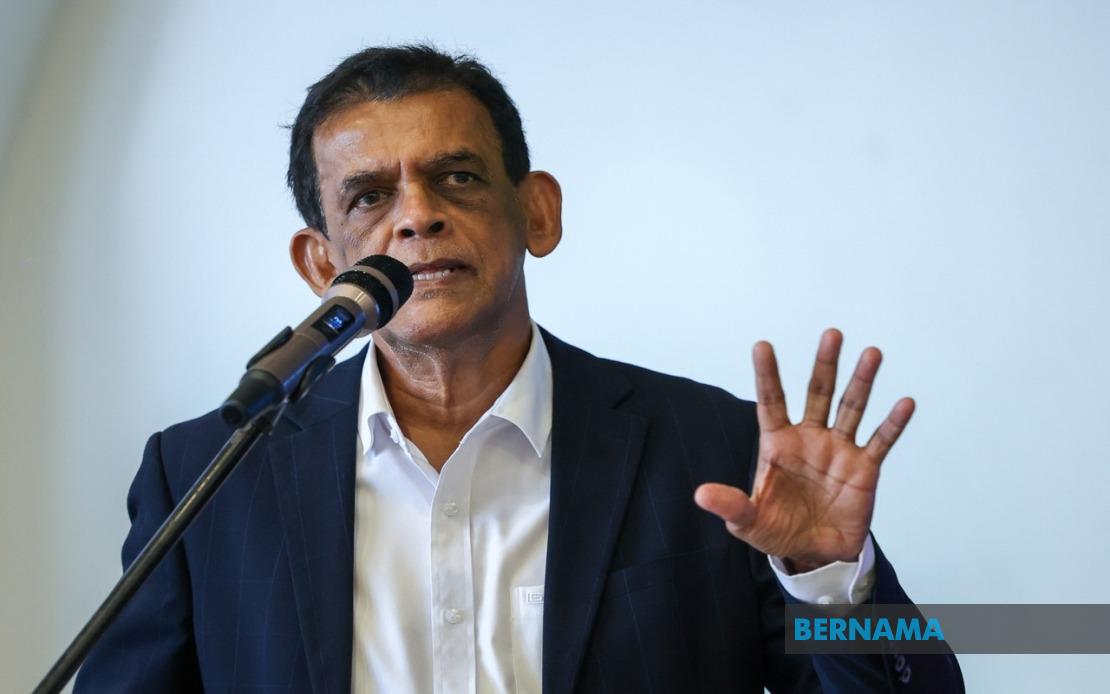
Karyawan president Datuk Freddie Fernandez outlined the scope and urgency of the convention during a media briefing, emphasising that the gathering represents a pivotal moment for the local music ecosystem. The one-day event, to be held at Saloma Restaurant in Kuala Lumpur beginning at 10 am, is expected to attract more than 200 artistes and music industry practitioners representing diverse segments of the sector. This substantial turnout underscores the appetite within Malaysia's music community for coordinated dialogue with policymakers and industry stakeholders about the sector's future direction and immediate operational challenges.
Fernandez articulated a sobering assessment of Malaysia's music industry trajectory, noting that his two decades of involvement have yielded troubling observations about structural and creative decline. His call for "renewal" signals that incremental adjustments are insufficient—the industry requires fundamental reassessment of how it operates, supports talent, and positions itself competitively within the regional and global markets. This diagnostic framing sets the convention apart from routine industry gatherings, positioning it as a watershed moment for identifying what requires transformation and what systemic reforms could reverse negative trends affecting musicians' livelihoods and the sector's international standing.
The proposed memorandum will address multiple interconnected issues that have long vexed Malaysia's music practitioners. Industry development and infrastructure form the foundation, but the document will also tackle emerging concerns such as artificial intelligence's impact on composition, recording, and performance. Equally significant are traditional grievances around royalty distribution mechanisms, artist support systems, music education quality and accessibility, and the practical career pathways available to young musicians entering the field. By bundling these distinct issues into a single submission to the Prime Minister's office, Karyawan aims to present a holistic vision of industry reform rather than fragmented complaints.
Royalty distribution remains perhaps the most contentious and long-standing issue within Malaysia's music sector, and Fernandez emphasised its centrality to the convention's agenda. Historical data reveals a stark disparity in how collected royalties flow back to artists—record company collections between 2002 and 2017 totalled nearly RM700 million, yet only approximately RM20 million reached artistes' bodies and their members during the same 15-year period. This approximately 35-to-1 ratio of collections to disbursements represents a fundamental dysfunction in how the value chain allocates revenue, effectively hollowing out musicians' economic incentives and forcing many toward unsustainable side pursuits or career abandonment.
Artificial intelligence presents an unprecedented challenge requiring proactive industry governance before technological disruption becomes entrenched. Fernandez acknowledged that blanket rejection of AI is neither realistic nor desirable, but insisted that guidelines must emerge from thorough discussion balancing innovation with practitioners' legitimate interests. The convention will explore how AI might be harnessed to enhance music creation and distribution while establishing safeguards preventing algorithmic music generation from displacing human artists or enabling unauthorised use of musicians' stylistic signatures. This forward-looking dimension distinguishes Karyawan's agenda from purely backward-looking restoration of past arrangements.
The convention will feature accomplished industry figures and informed commentators as panel contributors, including music activist Joe Lee, composer Dr Moja Salim, and Para Rajagopal, managing director of Live Nation. This curated panel mix combines advocacy credentials, creative expertise, and commercial industry perspective, signalling that the convention intends serious engagement with multiple stakeholder viewpoints rather than a simple grievance presentation. These discussants can articulate how industry challenges manifest across different professional roles—from emerging artists navigating early careers to established composers protecting creative rights to venue operators managing talent bookings and audience engagement.
Fernandez indicated that the convention serves a secondary but important function beyond resolution drafting: providing practitioners with a structured platform to voice concerns and seek clarification on confusing or contentious industry matters. Many musicians operate in isolation, aware that problems exist but uncertain about their scope, causes, or potential remedies. Bringing over 200 practitioners together creates an opportunity for collective learning, shared problem identification, and collective articulation of solutions. This assembly function helps Karyawan transform individual frustrations into coordinated policy positions.
The proposed legislative and regulatory reforms mentioned by Fernandez suggest potential movement toward formal industry governance. Rather than relying on voluntary industry coordination or reactive crisis management, Karyawan appears ready to advocate for statutory frameworks establishing minimum standards for artist treatment, transparent royalty accounting, and protection of intellectual property rights. Complementary government support mechanisms—whether through funding, training programmes, or venue infrastructure development—could reshape career prospects for young musicians currently facing limited visible pathways from amateur participation to professional sustainability.
For Malaysia's creative economy more broadly, the convention and resulting memorandum carry significance extending beyond music professionals themselves. The music sector historically serves as an incubator for broader creative industries, establishing technical standards, business models, and labour practices that ripple across film, television, gaming, and digital content production. Reform momentum in music could catalyse parallel discussions within adjacent creative sectors facing similar challenges around talent retention, technology adaptation, and sustainable remuneration models. Southeast Asia's growing significance as a content production hub makes Malaysian industry development particularly consequential for regional competitive positioning.
The convention's timing coincides with heightened global attention to creators' rights in the age of streaming and artificial intelligence, with jurisdictions worldwide grappling with how to ensure creative professionals benefit from technological transformation. Malaysia's formal engagement with these questions through Karyawan's initiative positions the country within an important international conversation about balancing innovation with artist protection. The resolutions submitted to the Prime Minister will signal whether Malaysia intends to adopt progressive industry governance or remain reactive to external technological and commercial pressures.
Ultimately, the convention represents Karyawan's strategic pivot toward institutionalised policy advocacy rather than periodic industry commentary. By compiling practitioner input into formal resolutions directed at the highest political level, the association transforms grassroots musician concerns into structured government business. Success depends partly on substantive quality of the resolutions, but equally on sustained follow-up engagement ensuring that memorandums translate into policy consideration, legislative proposals, or funding commitments. The next several months will reveal whether this convention marks the beginning of sustained industry reform or remains a symbolic gesture toward problems requiring longer-term structural solutions.