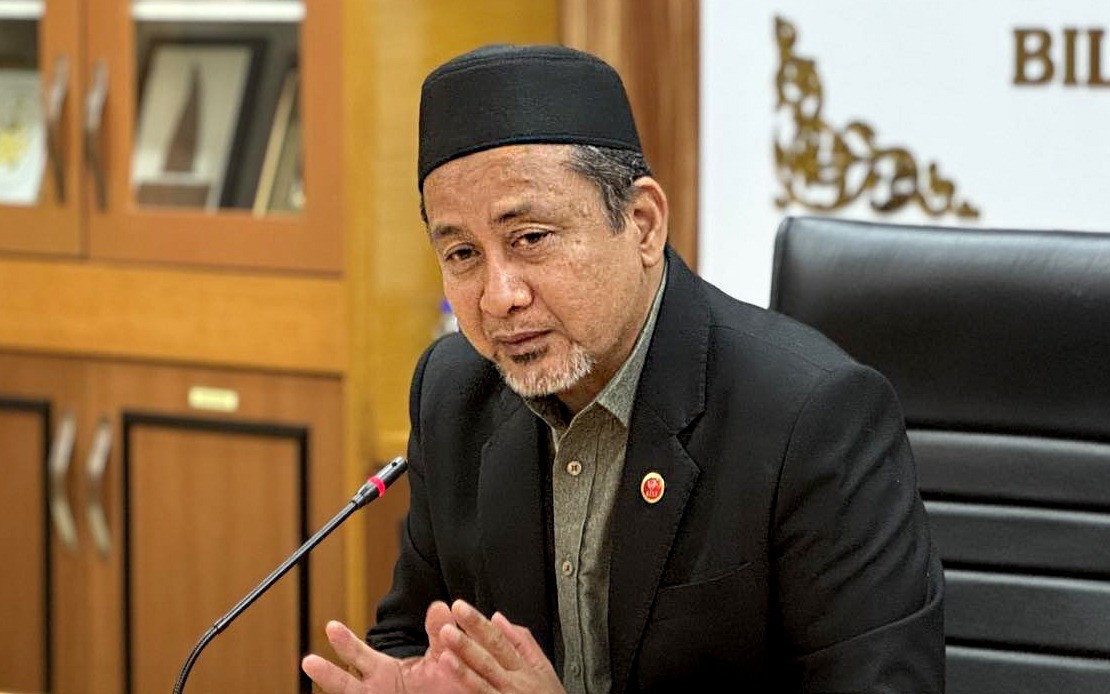
The Kelantan Sports Council has entered into a partnership with Yayasan Kelantan Darulnaim (YAKIN) to provide education loans and scholarships for athletes wishing to pursue higher education at public universities, marking an integrated approach to athlete welfare that extends beyond competitive sports. The initiative reflects the state government's recognition that nurturing athletic talent requires parallel investment in educational opportunities, ensuring athletes can build sustainable careers and personal development pathways.
Zamakhshari Muhamad, chairman of Kelantan's Youth, Sports, NGOs and Community Unity Committee, emphasised that the state government views education as equally important as sports development in its overall athlete support framework. By combining financial assistance mechanisms through YAKIN with existing sports programmes, Kelantan aims to remove educational barriers that might otherwise force talented athletes to choose between their studies and competitive pursuits. This dual-track approach acknowledges that most athletes require fallback career options, particularly given the competitive nature of professional sports and the limited number of athletes who can sustain full-time careers in their chosen disciplines.
The scholarship and loan arrangement targets athletes demonstrating academic excellence at the secondary level, with specific incentives for those achieving outstanding SPM and STPM results. This merit-based component ensures that the scheme rewards not only sporting achievement but also academic diligence, encouraging athletes to maintain high educational standards alongside their training regimens. The provision of academic excellence incentives sends a clear signal that the state values well-rounded development and does not view sports and education as competing priorities.
Beyond the education financing component, the Kelantan Sports Council operates a comprehensive Special Programme that extends substantial support to athletes throughout their sporting careers. Monthly allowances through the Imtiyaz programme provide regular financial stability, while dedicated funding for domestic and international competition participation removes financial obstacles that might otherwise prevent athletes from accessing competitive opportunities. This financial scaffold is particularly crucial for athletes from modest economic backgrounds, where the costs associated with travel, accommodation, and competition entry fees might otherwise prove prohibitive.
The state government also recognises that athlete welfare extends into physical dimensions often overlooked in conventional support frameworks. Provision of sports equipment and nutritional supplements directly enhances training effectiveness and competitive performance, addressing the reality that optimal athletic development requires not just coaching and facilities but also proper nutrition and appropriate gear. These practical supports acknowledge that elite athletic performance depends on multiple integrated factors rather than training intensity alone.
Kelantan's approach includes holistic welfare provisions that extend beyond the sporting domain into personal and family circumstances. The availability of support during natural disasters, accidents, marriage, and bereavement demonstrates a pastoral approach to athlete management, recognising that personal crises can derail athletic trajectories and that institutional support during vulnerable periods strengthens athlete retention and psychological resilience. This comprehensive safety net is particularly valuable in a state that, like much of Malaysia, experiences seasonal weather challenges and where communities may face economic vulnerabilities.
The initiatives leverage partnerships across multiple institutional sectors, including the National Sports Council, state education and youth departments, and both public and private higher education institutions. This multi-stakeholder approach creates alignment across the education and sports ecosystems, reducing institutional silos that might otherwise create friction or duplication. Engagement with both public and private higher education providers also broadens the network of potential institutions available to athletes, potentially expanding their choices and ensuring competitive pricing for educational services.
For Malaysian athletics more broadly, Kelantan's integrated model offers lessons about sustainable athlete development beyond elite training camps and competition-focused support. The combination of financial aid for education, competition funding, welfare safety nets, and academic incentives creates an ecosystem that treats athletes as developing individuals rather than purely competitive assets. This approach may prove more effective at retaining athletic talent over the long term and creating athletes with broader life skills and economic security post-retirement.
Zamakhshari's expression of hope that these facilities will catalyse athlete excellence across sports, education, and personal development reflects an understanding that institutional support shapes outcomes. Whether this optimistic vision translates into measurable improvements in athlete participation rates, educational completion, and competition performance will depend on implementation consistency and the adequacy of funding allocated to these programmes. The success of the YAKIN partnership in this regard may influence whether other Malaysian states adopt similar integrated models for athlete development, potentially raising support standards across the country's sports ecosystem.

