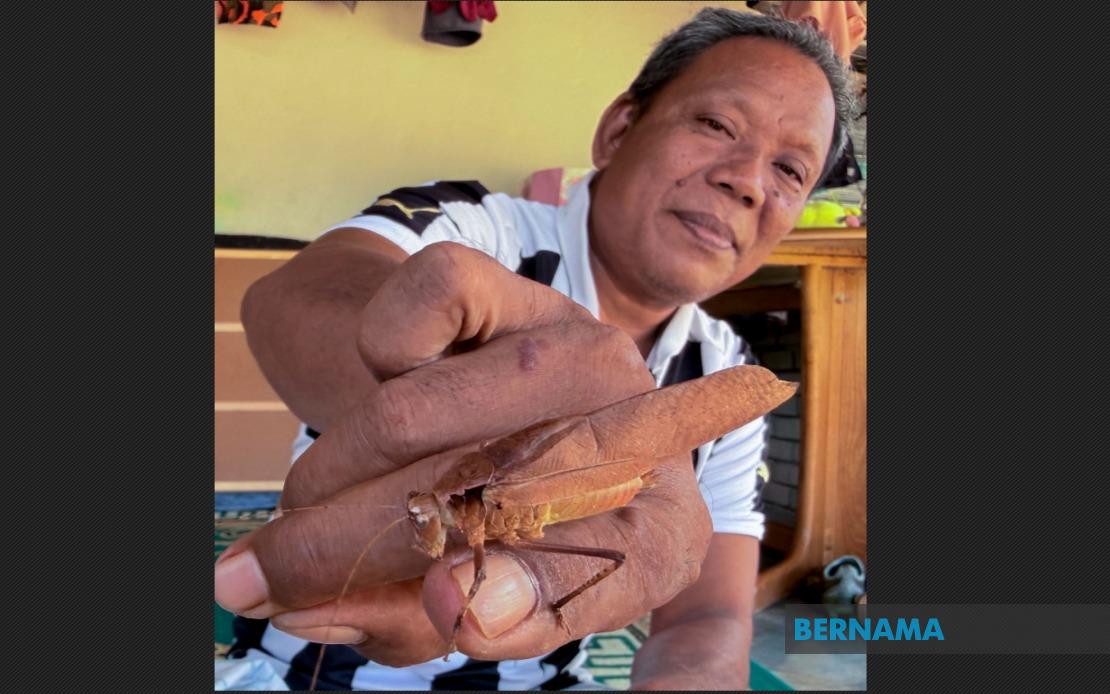
In the rice paddies and rural villages of Tanah Merah, Kelantan, a remarkable cultural revival is taking shape as young Malaysians turn away from smartphones and social media to pursue belalang kerek—a centuries-old tradition of cricket fighting that captivates participants through skill, patience, and a deep understanding of insect behaviour. The sport, which hinges on catching and breeding specially selected grasshoppers for competitive matches, has experienced unexpected momentum among the younger generation seeking meaningful offline pursuits in an increasingly digital age.
The resurgence of this pastoral pastime reflects broader frustrations among rural youth with screen-dependent entertainment. Unlike expensive gaming consoles, streaming subscriptions, and modern gadgets that demand constant financial investment, belalang kerek offers an accessible gateway to excitement and community engagement. The sport harks back to generations of Kelantan culture when such competitions formed the social fabric of village life, creating a bridge between ancestral practices and contemporary leisure needs.
Muhammad Sayuti Mat, a 53-year-old veteran competitor from Kampung Manal 3, attributes the hobby's growing appeal to its exceptional affordability and simplicity. Unlike mainstream hobbies that can strain household budgets, belalang kerek demands minimal financial outlay, making it particularly attractive to families in rural areas where disposable income remains limited. Enthusiasts invest sparingly in basic equipment and insect care, yet gain access to an entire ecosystem of social competition and recognition.
The hunting phase itself embodies a unique skill set that younger participants find compelling. Expeditions occur primarily during nighttime hours when grasshoppers become increasingly vocal. The hunters rely entirely on auditory detection, locating insects by their distinctive chirping patterns rather than visual searching. This sensory-focused approach demands focus and patience—qualities increasingly rare among youth accustomed to instant gratification through digital interfaces.
These insects favour specific habitats, thriving in agricultural zones and areas dense with vegetation, particularly amid fan palms common throughout Kelantan's landscape. The nocturnal environment amplifies the challenge and allure; the grasshoppers' calls become noticeably louder and sharper after sunset compared to daytime hours. This acoustic intensity creates an engaging hunt that merges outdoor adventure with biological knowledge, transforming what might appear a simple children's game into a sophisticated pursuit requiring genuine expertise.
Rihduan, another enthusiast quoted in accounts of the sport's revival, emphasizes the emotional satisfaction derived from competitive success. Beyond monetary rewards, participants experience profound gratification when their carefully bred grasshopper defeats opponents in tournament matches. This non-material incentive structure contrasts sharply with digital gaming's reward systems, which typically centre on accumulating virtual currency or digital badges. The joy instead stems from authentic achievement, animal husbandry skill, and community recognition—forms of satisfaction that psychologically resonate more deeply than screen-based accomplishments.
The economic accessibility barrier has been effectively eliminated through tournament structures that demand minimal entry fees. Aidil Md Noor, at just 23 years old, exemplifies the new demographic energizing the sport. He highlights how grasshopper tournament participation costs as little as RM3 per insect, removing financial impediments that might exclude lower-income youth from competitive communities. Such affordability democratizes access, allowing broader participation across socioeconomic strata within rural Kelantan.
Maintenance requirements further enhance the sport's appeal to time-conscious youth. The grasshoppers require straightforward feeding regimens utilising readily available foodstuffs, eliminating the complex care protocols or expensive equipment associated with alternative hobbies. This simplicity enables even young, inexperienced enthusiasts to successfully rear competition-quality insects without specialized knowledge or infrastructure, lowering entry barriers substantially.
The cultural implications extend beyond mere recreation. This resurgence represents a conscious rejection of globalized entertainment monoculture in favour of locally rooted practices carrying historical and communal significance. For Kelantan's youth, participating in belalang kerek connects them to ancestral traditions while simultaneously addressing contemporary needs for affordable, engaging, and community-oriented leisure. The sport provides structured social interaction with peers in their villages, strengthening neighbourhood bonds that technological isolation increasingly threatens.
Moreover, the competition ecosystem surrounding belalang kerek generates genuine social hierarchy and status distinct from digital achievement systems. Skilled enthusiasts gain respect within their communities based on observable competence and consistent tournament success. This authentic recognition operates independently from algorithmic approval or virtual metrics, offering young people meaningful social positioning grounded in tangible expertise.
As Malaysia navigates rapid urbanization and digital transformation, the Kelantan youth movement toward traditional cricket fighting signals important lessons about cultural preservation and authentic satisfaction. The sport demonstrates that younger generations possess genuine interest in heritage practices when those activities offer genuine value—affordability, community connection, skill development, and pride in achievement. Rather than inevitably succumbing to digital entertainment, youth demonstrate capacity to make deliberate choices favouring traditional engagement when alternatives remain accessible and socially validated.
This quiet cultural renaissance in Malaysia's northeast might prompt broader reflection on how communities can sustain heritage practices in modern contexts. By eliminating financial barriers, embedding sports within existing social structures, and celebrating participation rather than consumption, traditional practices can genuinely compete with digital alternatives. For Kelantan, belalang kerek's revival suggests that deep cultural roots remain vital to youth identity and community well-being.

