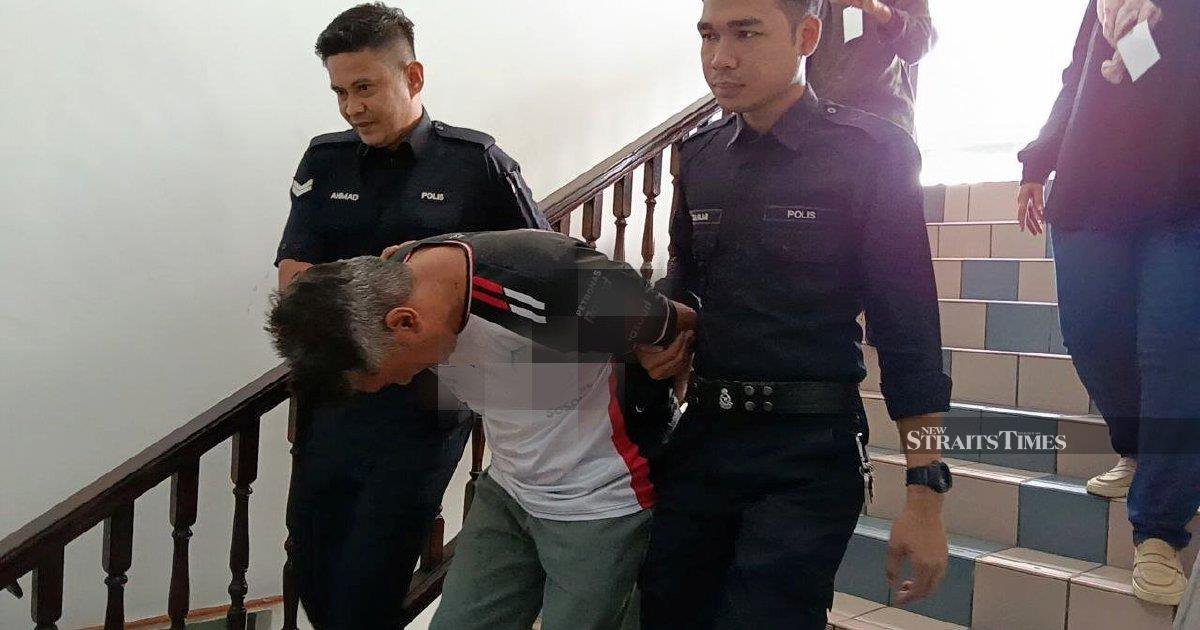
A street vendor in Melaka who sells keropok has appeared before magistrates charged with two serious offences involving the use of a drone to deliver prohibited tobacco products into a secure correctional facility. The allegations relate to an incident at Sungai Udang Prison last week, where authorities intercepted an attempted smuggling operation using unmanned aerial technology. The charges underscore a troubling trend of contraband infiltration into Malaysian prisons through increasingly sophisticated methods, moving beyond traditional visitor-led smuggling to embrace remote delivery systems.
The defendant's background as a modest keropok trader—typically a small-scale food hawker operation—contrasts sharply with the technical execution of the alleged crime. The decision to employ drone technology suggests either significant motivation from prison networks seeking the contraband, or involvement with criminal syndicates that broker such arrangements. Tobacco products remain highly sought within correctional institutions across Malaysia despite strict prohibition, as they serve both as consumable goods and as an informal currency for transactions between inmates. The premium prices commanding these items behind bars reflects the supply constraints and the artificial scarcity created by security measures.
The specific charges filed in the Melaka magistrate's court indicate two distinct violations. The criminal trespass component addresses the unauthorised entry into prison grounds or airspace without permission, reflecting concerns that drone operations constitute a violation of the facility's secured perimeter. The smuggling charge targets the intentional movement of prohibited goods across the prison boundary with intent to distribute them to inmates. Together, these offences establish that the incident was deliberate rather than accidental, with clear purpose to circumvent security protocols.
Sungai Udang Prison, one of Melaka's major correctional institutions, has become the focal point of this investigation. The facility's operational security mechanisms apparently functioned adequately to detect and prevent the delivery attempt, allowing authorities to intervene before contraband reached inmates. This particular success in interception reflects either heightened vigilance by prison staff or emerging detection capabilities aimed at identifying drone operations. However, the very occurrence of such an attempt reveals vulnerabilities in how Malaysian prisons defend against aerial threats—a concern relatively novel to Southeast Asian correctional systems that historically focused on perimeter fencing and visitor screening.
Drone technology has emerged as a significant challenge for prisons globally over the past five years. Correctional administrators worldwide report increasing numbers of unmanned aerial vehicles attempting deliveries of drugs, weapons, and other prohibited materials. Malaysia's penal system now confronts this international challenge directly. The relative affordability and ease of acquiring commercial drone technology, coupled with sophisticated operational planning, creates asymmetrical security difficulties for prison authorities. Standard perimeter controls designed to prevent human movement prove inadequate against remote aerial delivery systems that operate beyond traditional guard-post oversight.
The involvement of a civilian in the supply chain raises questions about the network infrastructure surrounding such operations. Prison contraband typically flows through established relationships involving inmates' family members, visitors, and external contacts. The participation of a keropok seller suggests either that the individual was recruited for a single operation or represents one node in a broader smuggling network. Investigators will likely pursue this angle to determine whether additional individuals facilitated the arrangement or provided financing and planning support.
Tobacco products remain persistently available within Malaysian prisons despite comprehensive ban policies. Smoking restrictions were implemented to protect inmate health and reduce fire risks within facility confines. However, the continued demand reflects several realities: the addictive nature of nicotine ensures persistent market demand, inmates retain networks outside connecting them to suppliers, and the high markup on smuggled tobacco creates financial incentives for smugglers. Prison officers themselves sometimes face suspicion of involvement in contraband distribution, though comprehensive anti-corruption programs have worked to mitigate such risks.
The prosecution of this case will carry implications extending beyond the individual defendant. Malaysian authorities use high-profile smuggling prosecutions as deterrents aimed at discouraging potential suppliers and couriers. Conviction rates and sentencing severity signal the state's commitment to prison security and contraband interdiction. This particular case, given its novel methodology involving drone technology, may receive substantial media attention and serve as a warning to other potential smugglers considering similar approaches. The publicity alone can temporarily disrupt supply chains as external participants reassess the risks involved.
Security upgrades across Malaysian correctional facilities will likely accelerate following this incident. Prison administrators may implement drone detection systems, install netting or barriers over exercise yards, or establish aerial exclusion zones enforced through coordinated response protocols. The investment in such countermeasures involves considerable expense, particularly for older facilities like Sungai Udang that may require retrofitting. However, the cost calculus must include the broader implications of contraband circulation for prison security, inmate behaviour management, and staff safety.
The case also reflects broader questions about supply chain vulnerabilities in Malaysia's security infrastructure. If a keropok vendor can acquire drone technology and coordinate a prison delivery operation, this raises considerations about the availability of operational planning resources and technical expertise among civilian populations. Security authorities must balance legitimate concerns about controlling dangerous equipment against maintaining an open society where commercial drones serve legitimate purposes in surveying, photography, and industrial applications.
Court proceedings will determine whether the defendant acted independently or as part of a larger conspiracy. Investigators will examine communication records, financial transactions, and operational planning materials to establish the full scope of involvement. The case outcome will inform future prison security policy, drone regulation discussions, and contraband interdiction strategies across Malaysian facilities.

