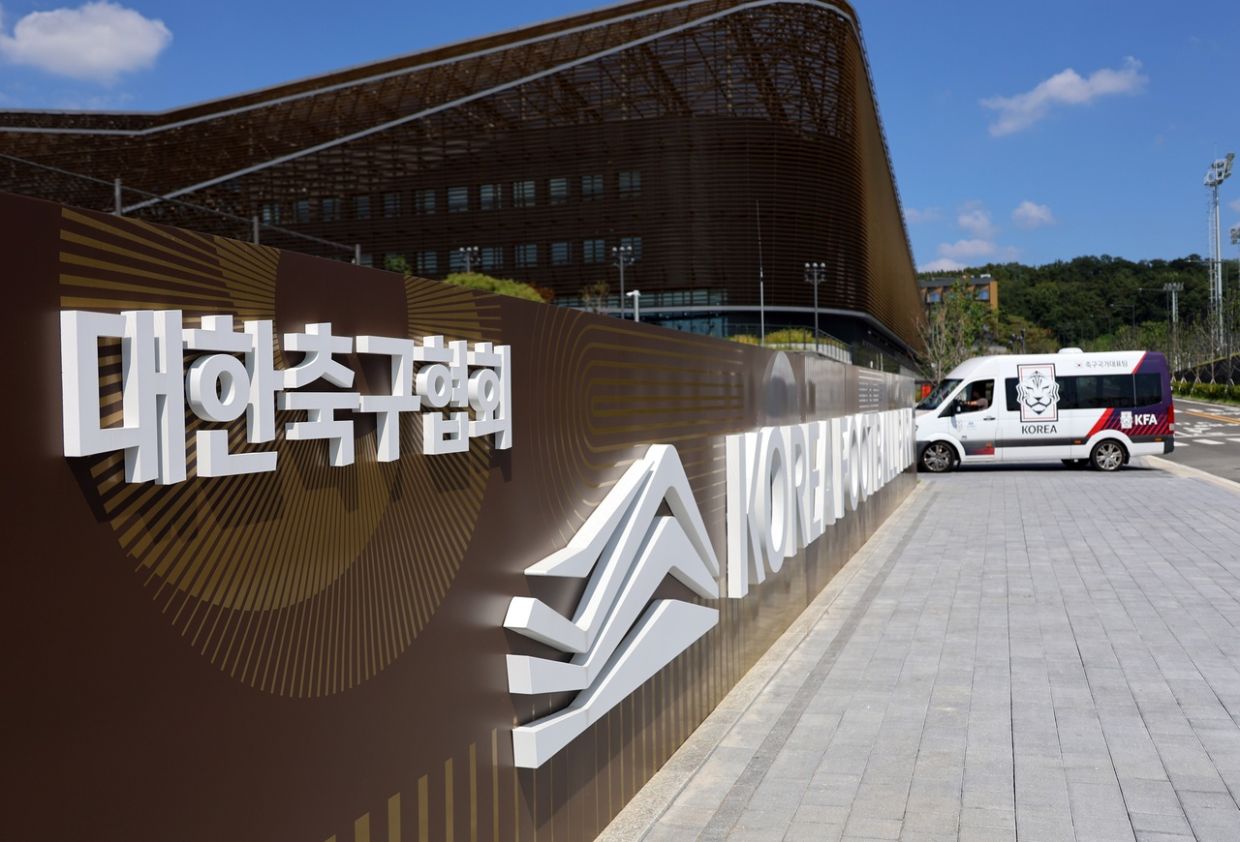
The Korea Football Association's mounting crisis over alleged sexual bribery of foreign referees has now crossed regional borders, with Japanese authorities announcing investigations into their own officials just hours after the KFA issued a public apology in Seoul. The scandal, which erupted publicly only days earlier but stems from a six-year-old government audit, has begun reshaping how Asian football governance is scrutinised at the international level.
Japan's football governing body confirmed on Sunday, August 9, that it is examining the conduct of four Japanese referees who allegedly received the questionable entertainment. According to reporting from Kyodo News, the Japan Football Association intends to release comprehensive findings once its inquiry concludes. The move signals that neighbouring countries are taking the allegations seriously rather than dismissing them as a purely Korean matter, potentially setting precedent for how regional football bodies handle cross-border integrity breaches.
The controversy's origins lie in a 2016 audit conducted by South Korea's Ministry of Culture, Sports and Tourism. The document, which lay dormant for years in government records, resurfaced in early August following investigative reporting by JTBC, a major South Korean broadcaster. The audit's findings painted a detailed picture of corporate credit card transactions used by the KFA to arrange entertainment at massage parlours for approximately ten foreign referees and match commissioners. These individuals had involvement in seven football matches played on South Korean soil between March 2011 and March 2012—three World Cup qualifiers and Olympic preliminaries, plus four friendly internationals.
The matches in question carried significant stakes for South Korea's football ambitions. The national team recorded a favourable record of five wins, two draws, and no losses across these fixtures, immediately triggering speculation about whether officiating decisions had been compromised to benefit the home side. South Korean football officials have strenuously denied such implications, emphasising that match outcomes cannot be attributed to alleged entertainment provided to officials. Nevertheless, the timing and pattern of the entertainment payments have fuelled persistent doubt about whether the correlation between hospitality and positive results was merely coincidental.
The KFA's apology, issued Saturday under mounting institutional pressure, acknowledged the gravity of the situation but attempted to position the organisation as reformed and forward-looking. The statement expressed deep regret for "the disappointment and concern caused by the various issues and controversies surrounding the association," while explicitly stating that the KFA did not condone the conduct. Officials pledged comprehensive internal reforms aimed at restoring public trust and transparency in governance structures. However, the apology came only after a parliamentary hearing examining the association's leadership and following a police raid on KFA offices triggered by a separate, unrelated scandal involving the controversial 2024 appointment of former national team coach Hong Myung-bo.
Japanese media coverage has begun naming individuals within its own football system allegedly implicated in the payments. Two referees have been publicly identified, one of whom currently occupies a managerial position at the JFA overseeing officials in Japan's professional J-League competition. The second referee allegedly led the all-Japanese four-person crew that officiated South Korea's 2012 World Cup qualifier against Kuwait—a match the original audit explicitly mentions as involving entertainment provided to two referees. Some Japanese commentators have cautiously noted that simply officiating a match does not constitute evidence that specific officials personally received entertainment, reflecting anxiety about reputational damage to Japan's football community.
International football media, including outlets such as International Business Times UK, have speculated about potential FIFA sanctions and structural governance reforms that might result from the revelations. However, football observers with knowledge of international regulatory frameworks suggest that formal disciplinary action from FIFA remains unlikely. FIFA's ethics code typically establishes statute of limitations periods ranging from five to ten years, and the conduct in question likely falls outside the narrower category of unlimited liability reserved for sexual abuse or exploitation cases. Furthermore, many of the referees named in the audit have already retired from international competition, complicating any enforcement action.
A separate criminal investigation launched within South Korea itself was previously closed due to insufficient evidence to support prosecution, adding another layer of complexity to determining accountability. This outcome raises questions about whether government audits and sports governance mechanisms can function independently or whether they ultimately depend on criminal investigation infrastructure to compel action. The distinction between administrative governance reform and criminal accountability now looms large as different authorities grapple with the scandal's implications.
The geographic spread of the controversy reflects deeper vulnerabilities in Asian football's integrity infrastructure. Unlike European football leagues with established regulatory bodies and cross-border enforcement mechanisms, East and Southeast Asian football associations operate with less developed coordination channels. The fact that Japan is now investigating its own officials based on revelations originating in a South Korean government audit suggests that information sharing between national bodies remains reactive rather than proactive. This pattern underscores the need for regional sporting institutions to establish preventive frameworks rather than waiting for scandals to emerge through media investigations.
The scandal carries particular significance for Malaysia and other Southeast Asian nations that participate in regional football competitions involving Korean and Japanese sides. Questions about match integrity in high-stakes qualifying competitions directly affect confidence in regional tournament structures. Malaysia's football governance bodies will likely face increased scrutiny and calls for transparency regarding their own oversight mechanisms, particularly surrounding interactions with foreign match officials during hosting duties or away fixtures. The episode demonstrates how institutional failures in one country's sports administration can generate ripple effects throughout the region's football ecosystem.
Looking forward, the KFA's promised reforms will be tested against continued international scrutiny and the gathering of evidence by neighbouring authorities. South Korea's government has signalled openness to disclosure of its original 2016 audit findings, which may provide Japanese and potentially other international investigators with documentary evidence necessary to substantiate allegations. The situation illustrates how governance scandals in professional sports increasingly transcend national boundaries in the modern media environment, where investigative journalism can expose institutional problems across borders within days.

