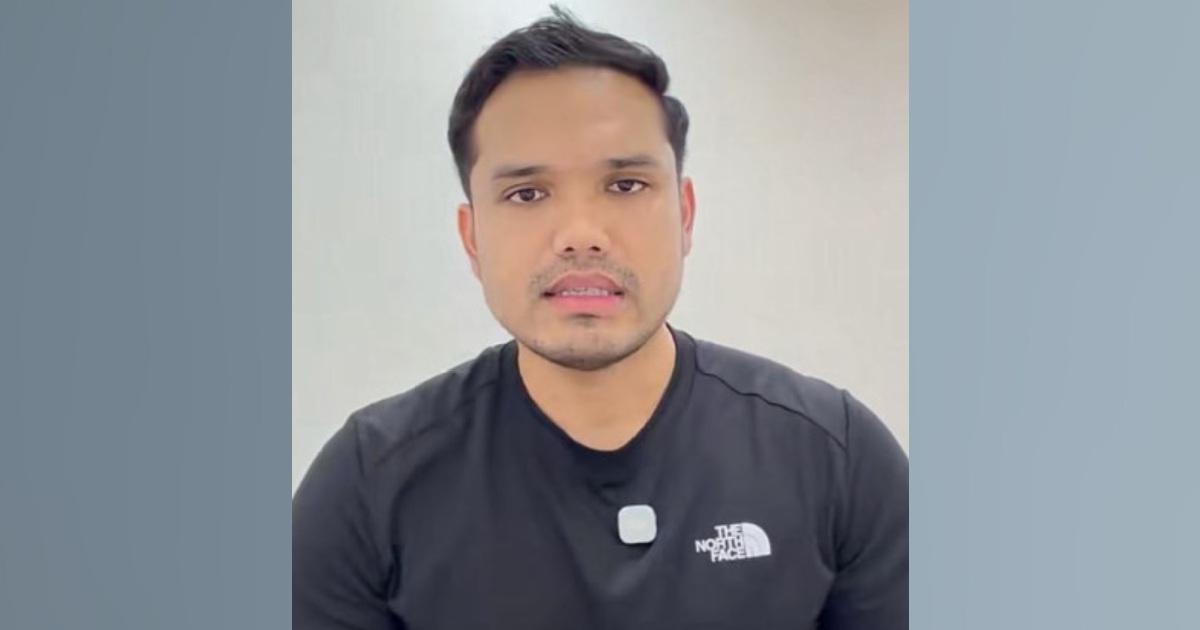
Khairul Aming, a well-known Malaysian influencer and business entrepreneur, has voiced serious concern and distress following the unauthorised disclosure of his personal phone bill information on the internet. The incident, reportedly carried out by an unidentified third party, highlights growing vulnerabilities surrounding the privacy of high-profile individuals in the digital age and underscores the ease with which sensitive personal data can be compromised and circulated online.
The exposure of phone bill details represents a particularly invasive breach, as such documents typically contain not only calling patterns and contact information but also reveal the user's home address and billing particulars. For someone with Khairul Aming's public profile and substantial social media following, such information falling into the wrong hands poses multiple risks, from targeted harassment and identity theft to more serious security concerns affecting his family and business operations.
This incident resonates within Malaysia's digital ecosystem, where cybersecurity awareness among the general population remains inconsistent. While legislation such as the Personal Data Protection Act exists to safeguard citizen information, enforcement and practical implementation continue to face challenges. The leak involving a high-profile personality like Khairul Aming serves as a stark reminder that even those with resources and awareness can fall victim to data breaches, suggesting systemic vulnerabilities that extend across the telecommunications and service provider landscape.
The methodology behind how such sensitive billing documents were obtained and subsequently shared remains unclear. Possibilities range from compromised telecommunications company systems and employee negligence to social engineering techniques or even targeted hacking. Each scenario carries different implications for accountability—whether responsibility lies with the service provider's security protocols, an individual actor's malicious intent, or broader structural gaps in how personal information is stored and protected across Malaysia's digital infrastructure.
For celebrity entrepreneurs like Khairul Aming, who maintain substantial business interests alongside their entertainment careers, privacy breaches carry financial and reputational dimensions that go beyond personal comfort. Business competitors might exploit leaked information, clients could lose confidence in his ability to protect sensitive matters, and the incident undermines trust in the very platforms and services that modern business and personal life depend upon. His willingness to publicly acknowledge the leak and express his concern helps bring attention to a problem that many Malaysians likely experience but do not discuss openly.
The broader context matters too. Malaysia's growing tech-savvy population increasingly relies on digital services for everything from telecommunications to financial transactions, yet public discourse around data privacy and security remains relatively nascent compared to awareness in developed Western markets. Educational initiatives and corporate responsibility standards have not kept pace with the scale of data collection and vulnerability. When prominent public figures experience breaches, it creates teachable moments for society about the importance of digital hygiene and institutional accountability.
Telecommunications companies bear particular responsibility in this context, as they serve as custodians of highly sensitive personal information that extends far beyond mere call records. In Malaysia, where several major telcos dominate the market, stronger internal controls, employee training programmes, and transparent security audits should be standard practice rather than aspirational goals. Regulators like the Malaysian Communications and Multimedia Commission should ensure that service providers meet stringent data protection standards and that breaches trigger mandatory transparent investigations and public reporting.
The incident also illustrates how difficult it remains for individuals to maintain control over their personal information once it enters large institutional databases. Even privacy-conscious citizens who employ best practices in their own digital behaviour remain vulnerable to leaks originating from organisations they depend on but cannot fully monitor. This asymmetry of power—where individuals must trust institutions with their data but have limited recourse when that trust is violated—underlies much of the frustration evident in Khairul Aming's public response.
Moving forward, individuals in Malaysia should consider taking practical steps to monitor their digital footprint, regularly reviewing what information they have shared with service providers and requesting access to their personal data held by organisations. Additionally, using secure communication channels, enabling two-factor authentication where available, and maintaining awareness of phishing and social engineering tactics can reduce individual vulnerability. However, these personal measures cannot substitute for systemic improvements in how Malaysian institutions handle citizen data.
The Khairul Aming incident may prove instructive for Malaysia's ongoing policy discussions surrounding cybersecurity and data protection. As the nation continues its digital transformation and citizens increasingly conduct their lives online, the frameworks protecting personal information must evolve to match the sophistication of threats and the scale of data being collected. Without such evolution, privacy breaches among public figures and ordinary Malaysians alike will likely persist, eroding public confidence in digital services and creating obstacles to Malaysia's aspirations as a leading digital economy in Southeast Asia.

