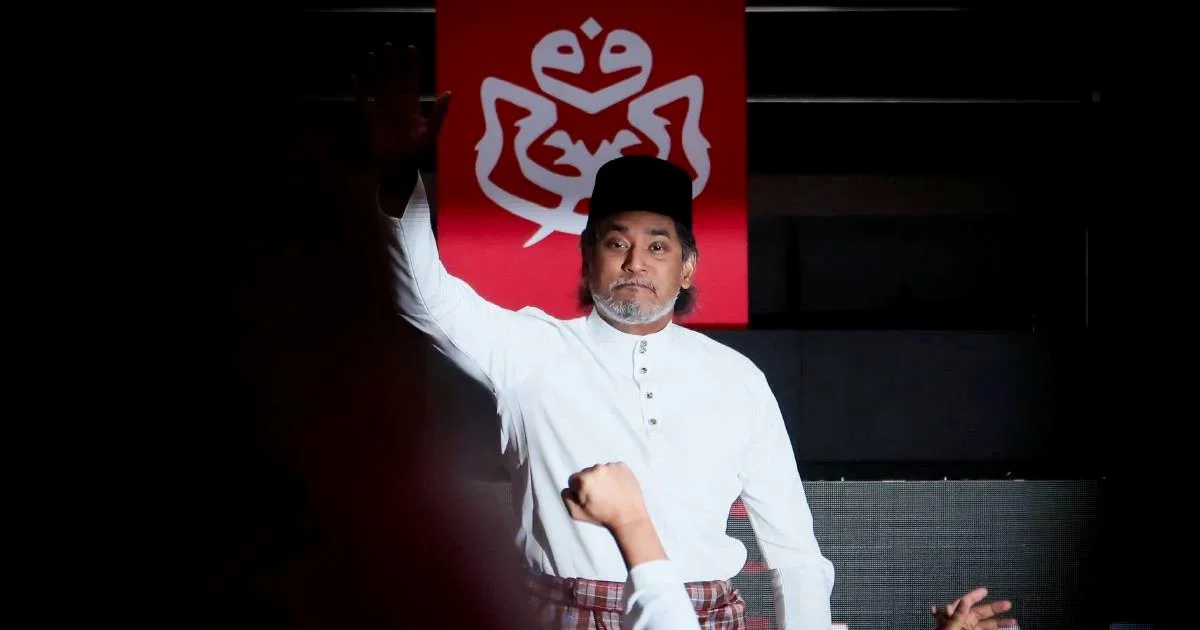
Khairy Jamaluddin, who previously represented Rembau in parliament, has chosen to place his candidacy for the forthcoming Negri Sembilan state election squarely in the hands of Umno's decision-making apparatus, according to party sources. The veteran politician's move to defer this crucial career decision reflects the complex internal negotiations underway as Malaysia's dominant political outfit prepares for the August 1 electoral exercise.
The timing of Khairy's stance is particularly significant given the shifting dynamics within Umno following recent internal power consolidations and electoral setbacks. By ceding the candidacy decision to party leadership, Khairy appears to be navigating the delicate balance between maintaining his political relevance and avoiding the perception of self-promotion at a moment when party unity and strategic positioning are paramount.
Negri Sembilan has long been a significant battleground in Malaysian politics, holding symbolic importance as a Umno heartland while simultaneously presenting electoral challenges that require careful navigation. The state election assumes added weight given its implications for national political momentum and the broader coalition dynamics that will shape the country's political trajectory heading into the next general election.
Khairy's political profile has undergone considerable transformation over the past decade. From his early days as a youth leader and key strategist within Umno, he has evolved into an elder statesman navigating the complexities of party factional politics. His willingness to step back from personal ambition in this instance suggests a recalibration of his strategic priorities, possibly reflecting broader considerations about his long-term positioning within the party hierarchy.
The mechanics of candidate selection within Umno have historically been opaque, with ultimate decisions often remaining the exclusive purview of senior leadership circles. This centralised approach to nominations has both strengthened party discipline and occasionally sparked internal grievances when aspirants feel overlooked. Khairy's explicit deferment to this process may be interpreted as a show of loyalty, though it simultaneously places him in a vulnerable position should party leadership decide against fielding him in Negri Sembilan.
For Malaysian political observers, such decisions by senior party figures often serve as barometers of factional alignments and shifting power balances within broader political coalitions. The fact that Khairy has chosen this moment to step back rather than aggressively pursue a candidacy tells a story about his current standing and the competing claims on leadership attention and resources as the party mobilises for electoral battle.
Negri Sembilan itself presents distinct electoral characteristics that would influence candidate selection strategies. The state encompasses a diverse political geography, with constituencies ranging from rural and traditional Muslim-majority areas to rapidly urbanising zones where younger, more cosmopolitan voters exert growing influence. Any candidate fielded in the state must therefore balance appeal across this spectrum whilst maintaining coherence with broader Umno messaging and policy frameworks.
The August 1 election date carries additional implications for timing and campaign intensity. Coming after the federal government's recent policy announcements and amid ongoing discussions about economic management and social welfare provisions, the state election will inevitably become a referendum on the ruling coalition's performance. Umno's candidate selections, therefore, cannot be viewed in isolation from these broader political and economic currents.
Khairy's decision also reflects the reality that Malaysian politicians increasingly operate within tighter constraints imposed by party hierarchies. The autonomy that once characterised individual politicians' electoral strategies has progressively diminished, with centralised decision-making allowing party leaderships to optimise candidate deployment across multiple simultaneous contests. Individual ambitions, however legitimate or well-grounded in local support, must now align with party-wide strategic calculations.
The mechanics of this deferment will become clearer as Umno's leadership articulates its candidate slate for Negri Sembilan. Whether Khairy ultimately receives the nod will signal not merely a personnel decision but rather a statement about how the party values his contributions and envisions his future role. In Malaysian politics, such moments often foreshadow broader shifts in factional positioning and resource allocation.
For Negri Sembilan voters and the broader Southeast Asian political ecosystem watching Malaysian developments, this scenario underscores the continued significance of internal party dynamics in shaping electoral outcomes. The interplay between individual political actors and institutional party structures remains central to understanding how Malaysian democracy functions and how election campaigns ultimately take shape on the ground.

