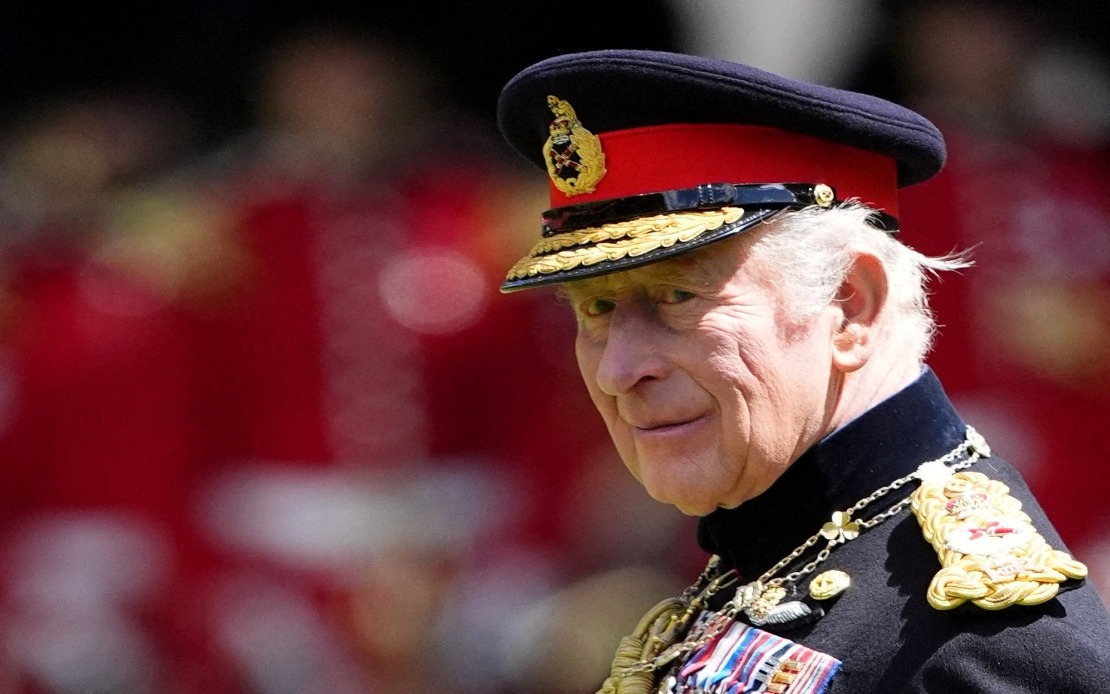
King Charles III has entered uncharted constitutional waters by becoming the first reigning British monarch to publicly disclose his personal tax payment, marking a significant shift in royal financial transparency. Buckingham Palace announced on Thursday that the king paid £12.9 million—approximately US$17 million—in the 2024-2025 tax year, a historic disclosure that reflects evolving expectations around public accountability even within the hereditary institution of the Crown.
The announcement carries particular weight given the longstanding exemption that British sovereigns have historically enjoyed from income tax, capital gains tax, and inheritance tax obligations. Unlike ordinary citizens or even senior government officials, the reigning monarch has never been legally required to contribute through taxation. However, the voluntary arrangement established in the 1990s fundamentally altered this dynamic, with successive monarchs choosing to pay income and capital gains taxes on a discretionary basis—a practice that Charles has now elevated by making the figures public.
Chris Charles's prior disclosure of tax payments when he held the title of Prince of Wales had set a precedent for openness, but the transition to disclosing these figures as the reigning monarch represents an important evolution in understanding how the crown manages its finances. The £12.9 million contribution for the most recent tax year demonstrates a substantial commitment to this voluntary taxation arrangement, even as the royal institution navigates the complexities of maintaining its historic position within modern society.
The previous tax year saw the king contribute £11.7 million, revealing a consistent pattern of significant payments. Since ascending to the throne in September 2022, King Charles III's total tax contributions have now exceeded £30 million. These figures illustrate that the practice of royal tax payment has not merely continued under the new reign but has become embedded as standard practice rather than an exceptional gesture of goodwill.
Buckingham Palace framed this disclosure within a broader modernisation of royal financial communications. The announcement accompanied a comprehensive new document outlining the diverse revenue streams that support the monarchy, an initiative designed to demystify royal finances for the public and demonstrate that the institution operates according to clearly defined principles. James Chalmers, the keeper of the Privy Purse—the official responsible for managing royal household finances—emphasised that underlying the apparent complexity exists a coherent framework designed to preserve the monarch's independence while ensuring accountability to the nation.
The king's personal income derives from various sources, including returns from his privately held investments and revenue generated by his personal estates at Balmoral in Scotland and Sandringham in Norfolk. These income streams are earmarked specifically for the king's private expenses rather than official state functions, creating a meaningful distinction between the sovereign's personal wealth and the formal resources allocated to the Crown through parliamentary appropriation. This separation has become increasingly important to articulate clearly as public scrutiny of royal finances continues.
For Malaysian and other Commonwealth readers, this development carries particular significance given the constitutional role that King Charles III holds as Head of State in numerous Commonwealth realms, including several in Southeast Asia. The monarchy's efforts to demonstrate financial probity and voluntary compliance with taxation principles reflect an attempt to sustain public confidence in an institution that traditionally operated with considerable opacity regarding its financial affairs. In an era when democratic accountability and transparency have become non-negotiable expectations, even hereditary institutions find themselves compelled to adapt.
The timing of these disclosures also comes as royal institutions worldwide face increasing questions about their financial privileges and their alignment with modern governance standards. By proactively publishing tax payment figures rather than merely complying with mandatory disclosure requirements, the Palace projects an image of voluntary accountability. This positioning proves strategically valuable in democracies where public sentiment toward inherited privilege remains volatile, particularly during periods of economic strain when citizens scrutinise government spending and institutional resource allocation.
The arrangement whereby the monarch voluntarily pays taxes despite legal exemption represents an intriguing constitutional compromise—neither fully surrendering historic prerogatives nor entirely insisting on them. This pragmatic middle ground acknowledges contemporary expectations of fairness while respecting the unique constitutional status of the Crown. The disclosure of specific figures transforms this implicit arrangement into something tangible and measurable, allowing public assessment of whether voluntary compliance represents genuine substantive contribution or merely symbolic gesture.
Looking forward, the precedent established by King Charles III's transparency regarding personal tax payments may establish expectations for future disclosure. As Commonwealth realms continue navigating questions about the monarchy's role in contemporary society, financial transparency serves as one mechanism through which these institutions attempt to justify their continuation. The disclosure also invites broader conversation about how public institutions, whether elected or hereditary, should manage their finances and communicate about their resource use to the populations they serve.
The king's approach reflects a recognition that institutional legitimacy increasingly depends on demonstrating that those at the pinnacle of society operate within recognisable frameworks of accountability. By voluntarily paying substantial sums in tax and publishing the figures, King Charles III sends a message that even those with legal exemptions choose to participate in the shared financial obligations that bind the broader society. Whether this strategy successfully maintains public confidence in the monarchy remains a question that will unfold over coming years.

